
Vietnam Airlines allows a passenger with disabilities to bring one walking aid, such as a crutch, walking stick or qualifying foldable wheelchair. Confirm how the specific aid will be handled in the cabin before airport arrival.
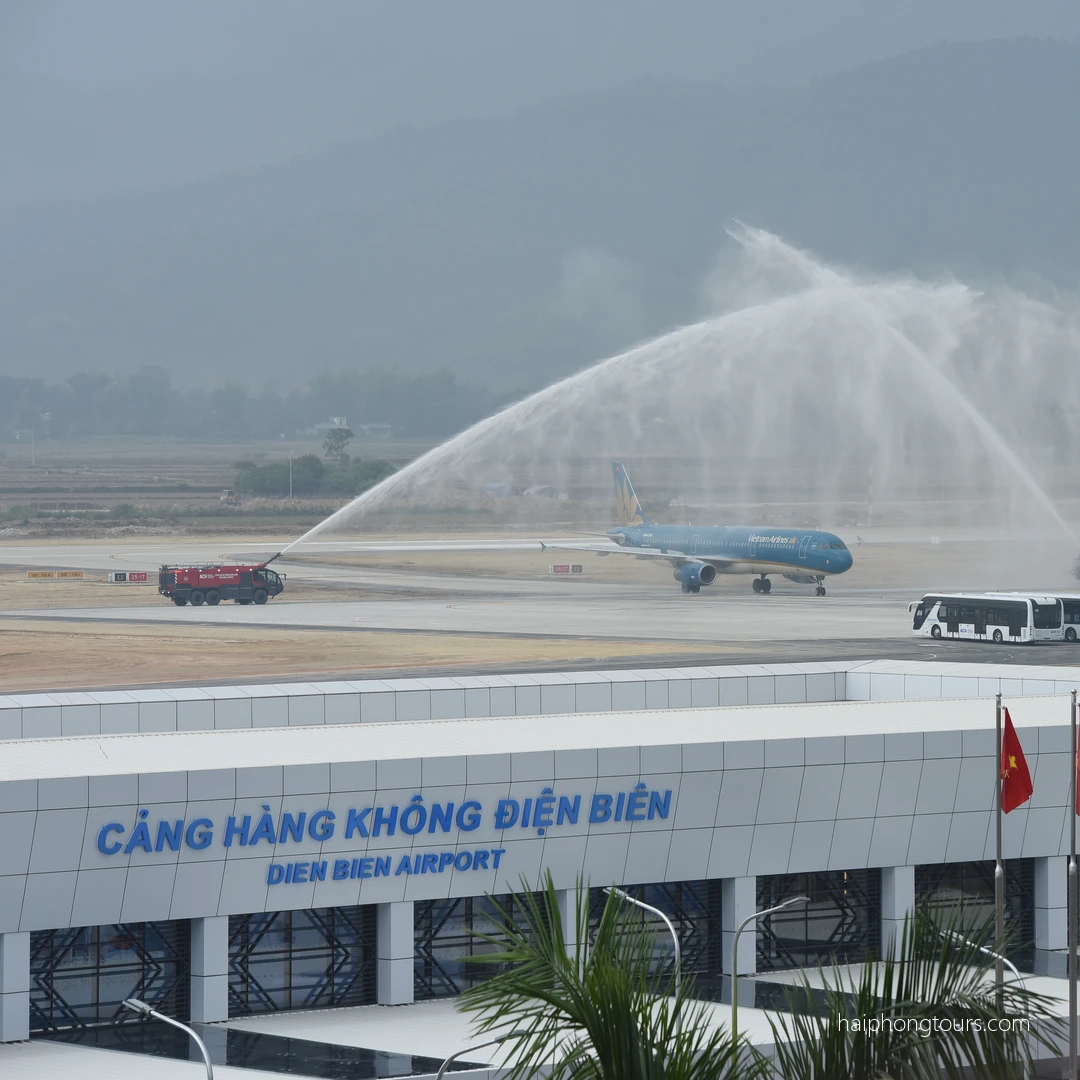
The one-aid allowance does not override carry-on size, stowage or safety requirements. Treat the request as incomplete until Vietnam Airlines confirms the service for the actual operating flight. A ticket, form submission or earlier approval does not by itself guarantee equipment, staffing or medical acceptance after an itinerary change.
Start with the exact passenger need
Identify the exact aid, whether it folds, its dimensions and any sharp, loose or removable parts. Explain whether the passenger needs it until the aircraft door and immediately after landing.
Describe the assistance needed in practical terms without making a diagnosis. Give the booking reference, passenger name, route, flight number, date, operating carrier and connection details. State what the passenger can do independently, what assistance is requested and what equipment or companion will travel.
A simple walking stick differs from a powered mobility device with batteries. Do not apply the walking-aid wording to equipment that requires separate dangerous-goods or wheelchair handling.
Prepare evidence before requesting the service
Keep product information, dimensions and photographs available when useful. For powered or modified equipment, provide battery and safety details through the correct process instead of relying on a visual inspection at the gate.
For the service request, keep names, dates and flight sectors consistent across the ticket, identity document, service request and any medical or equipment record. Photograph or scan the final set for backup, while carrying originals whenever the airline requires physical documents at check-in.
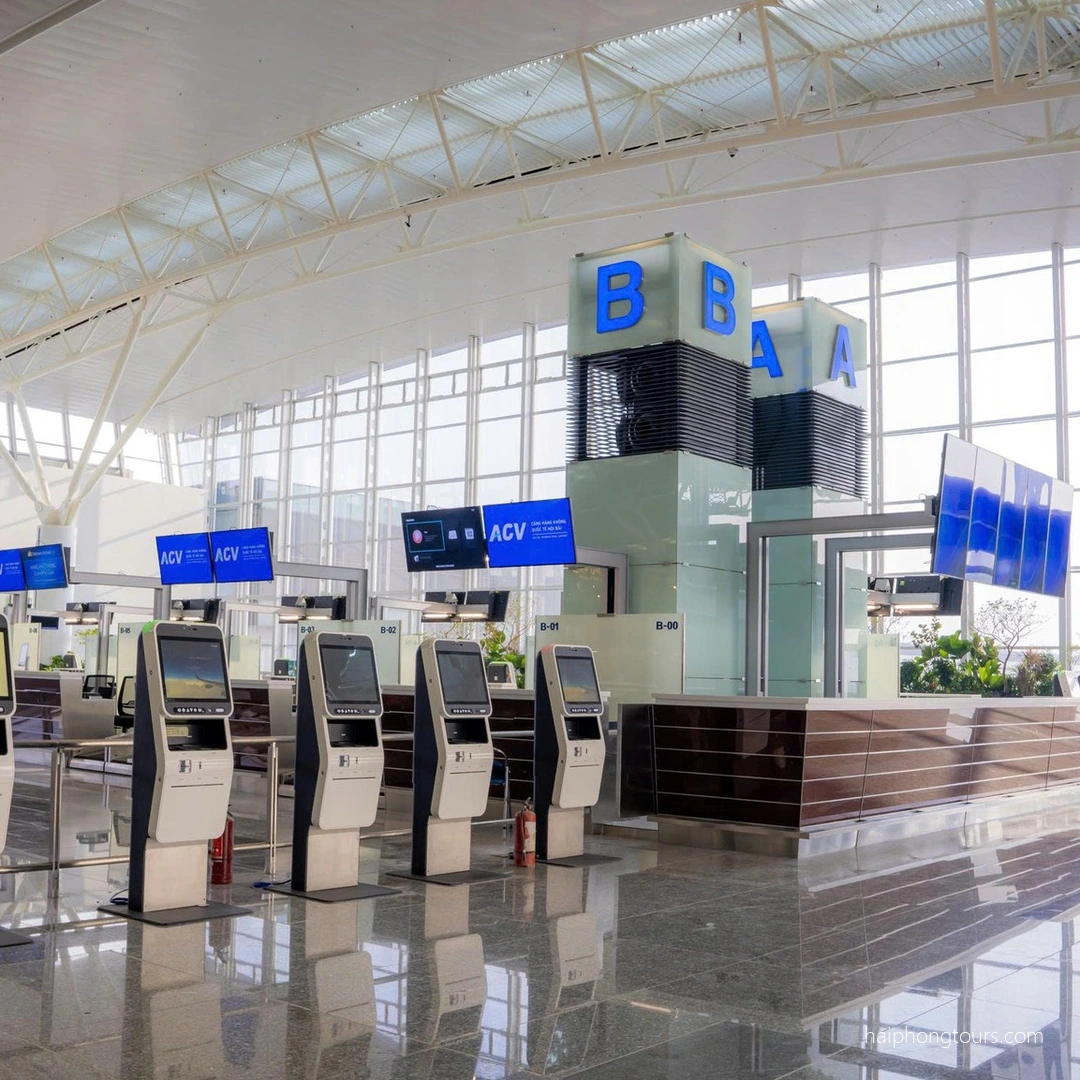
Label the aid with passenger and contact information without covering manufacturer or safety markings. Secure detachable parts and ask whether a tip, strap or carrying sleeve is appropriate.
Request and confirm the operating flight
Tell Vietnam Airlines about the walking aid while registering assistance and ask whether it may remain in the cabin or will be returned at the aircraft door or baggage point.
Record the date, channel and reference for the request. Ask for a response that identifies the accepted service, flight sectors and any remaining conditions. If a call handler gives only verbal guidance, follow up through an official channel and retain the written confirmation.
Cabin stowage depends on the aircraft and the aid dimensions. Even a permitted item must be safely secured, so obtain handling confirmation rather than promising overhead-bin space.
Recheck changes before airport travel
A smaller aircraft can change stowage options. Reconfirm after an equipment swap or new flight and keep the passenger mobility needs attached to the booking.
Review the booking again before departure for aircraft swaps, schedule changes, rerouting or a different operator. These can alter space, equipment, staffing, seating or medical-service capacity. Reconfirm the arrangement rather than relying on the original record.
If the passenger’s condition, companion, mobility device or medical requirement changes, tell the carrier promptly. Do not conceal a material change to preserve an earlier confirmation. The airline must be able to reassess safe carriage for the current circumstances.
Use a controlled airport handoff
Show the aid at check-in and follow the confirmed tagging or handover process. Do not surrender it before replacement assistance is physically present if the passenger cannot move safely without it.
At the first airline contact point, show the service confirmation and required documents, then explain the agreed handoff. Ask which staff member or desk owns the next step. Keep medicines, essential documents and approved small aids accessible rather than buried in checked baggage.
At the gate, confirm who receives the aid and where it returns. Inspect it promptly on arrival and report loss or damage through the airline baggage or special-service channel.
During the journey, the passenger and companion should follow safety instructions while preserving dignity and privacy. Cabin crew can provide the assistance described by the carrier but should not be expected to perform unapproved personal care, clinical treatment or tasks outside their training.
If the journey involves ground transport, give the driver only the practical information needed for a safe pickup, such as terminal, meeting point, luggage or mobility-equipment space and realistic transfer time. Do not disclose unrelated medical information or treat a road transfer as medical transport.

If the request is late or unavailable
If the aid cannot be carried as expected, ask about safe checked handling, an airport replacement and a different flight. Do not force an oversized or unsafe item into the cabin.
Do not arrive expecting airport staff to create the requested service without notice. Ask the airline to identify the available options: a later flight, different aircraft, revised route, approved companion, corrected document set or another lawful arrangement. Keep the response with the ticket record.
If staff classify the device differently, request the applicable written rule and correct documentation. Never misdescribe a powered aid as an ordinary walking stick.
Final confirmation checklist
- Confirm passenger identity, condition or functional assistance need.
- Confirm the operating carrier and every flight sector.
- Confirm the request deadline, submission channel and approval status.
- Confirm required documents, equipment details and companion eligibility.
- Confirm capacity, airport arrival time and handoff points.
- Recheck all items after any booking or passenger change.
Confirm the one permitted aid, safe stowage and continuous mobility handoff for the operating aircraft.
Need help with airport transfers or the rest of your Vietnam trip? Contact us with your confirmed flight details, destination and travel dates to discuss a suitable ground transfer or sightseeing plan.