
Quick answer: Bringing your own meal can be the most controllable fallback when Vietnam Airlines’ listed special meals do not fit your dietary needs. The food still has to comply with the airline’s carry-on baggage standards, restricted-item rules, and liquid rules. Check airport screening and destination controls separately before packing.

A self-supplied meal has no airline meal code and does not need to be registered as a special meal. If a listed airline meal could still help, request that service at least 24 hours before departure and confirm it for the correct passenger and eligible Vietnam Airlines-operated sector. Treat the airline meal and the food you carry as two separate plans.
When bringing your own food is the practical choice
Vietnam Airlines says some flights may not cater to a passenger’s meal requirements and that passengers may prepare food before the flight. This option is especially relevant when none of the published categories matches an essential ingredient limit, religious practice, child’s needs, or clinician-directed diet. It can also provide a backup if a requested tray is unavailable or unsuitable.
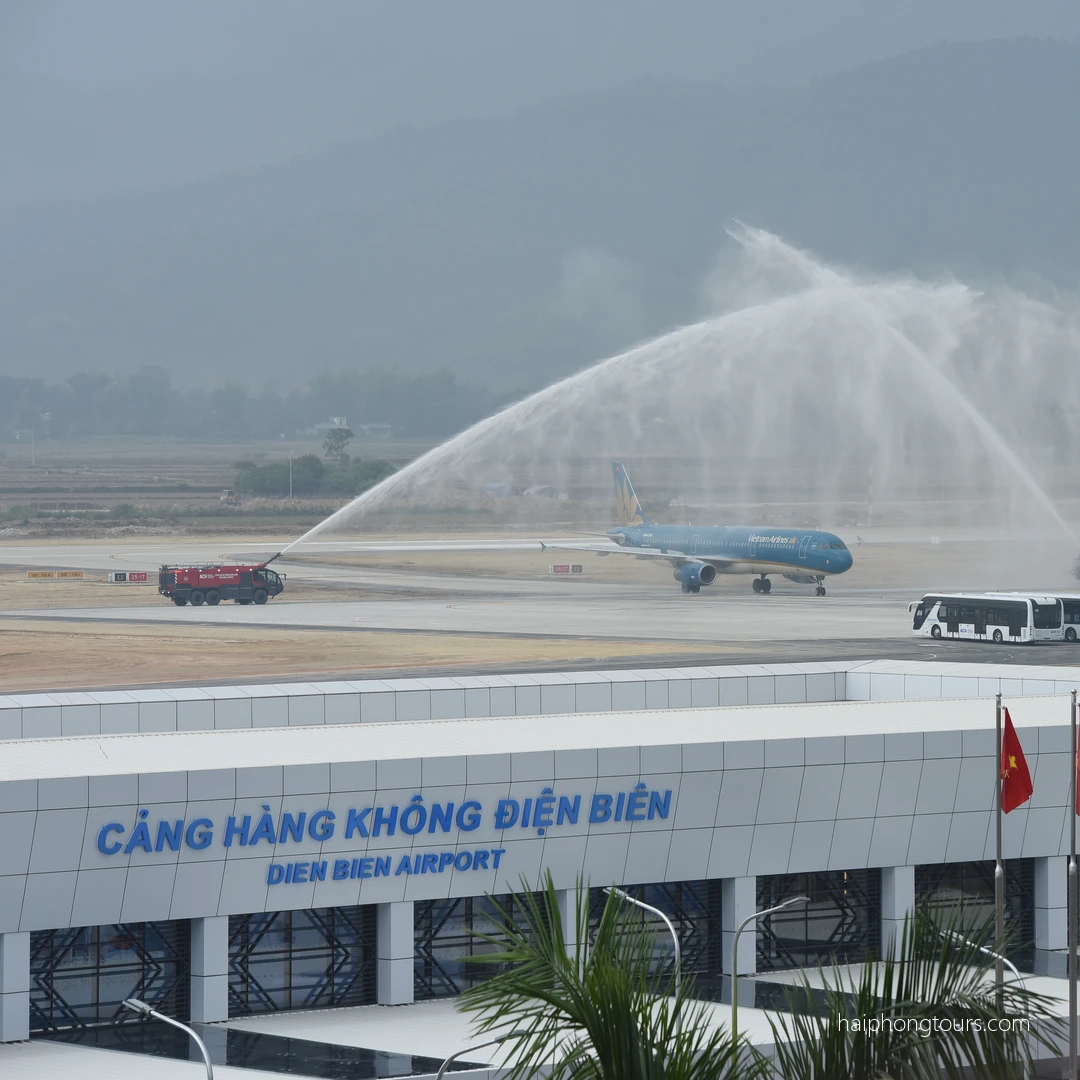
Control over chosen ingredients is the main benefit, but it is not total control over the travel environment. The airline serves allergen-containing food, catering facilities handle many ingredients, and other passengers may bring food aboard. A personal meal therefore cannot create an allergen-free cabin or remove the need for an allergy plan.
Check three different rule sets
First, check Vietnam Airlines’ current hand-baggage rules for the ticket and cabin. Food, containers, cooling materials, utensils, and other supplies all take space and weight. A meal that fits the diet may still be impractical if its packaging does not fit within the applicable baggage allowance.
Second, check the airline’s restricted-item and liquid guidance together with the rules used at each security checkpoint. A food’s consistency and container can matter as much as its ingredient list. Do not assume that a sauce, puree, spread, soup, drink, gel, ice pack, or cooling product will be treated like a dry solid. Obtain current guidance for the actual airports on the itinerary rather than copying a rule from a different country or journey.
Third, check the destination and any transit controls before carrying food onward. Security permission to take an item onto an aircraft does not establish that it may be imported after landing. If an item cannot legally or practically continue through the journey, plan to consume or discard it at the appropriate point instead of risking a border problem.
Choose food that can survive the journey
Select a meal that remains suitable for the expected time between preparation and eating. Do not rely on onboard refrigeration, freezing, reheating, hot water, ingredient substitution, or special storage unless Vietnam Airlines has explicitly confirmed the arrangement for the flight. Packaging should close securely, be easy to inspect, and remain manageable at the seat without creating a spill or odor problem.
Keep the ingredient information you need to make a safe decision. For a severe allergy or medical diet, follow clinician guidance on food, medication, monitoring, and emergencies. Hai Phong Tours is not the airline or a medical authority; its practical role here is simply to remind travelers to keep the food plan, flight record, and current rule checks together.
Use an airline special meal as an additional option
Carrying food does not prevent you from requesting an eligible special meal. Vietnam Airlines lists three request channels: choose the meal during ticket purchase on its website; after ticket issue, use Manage Booking, then Buy Ancillaries and Special Services; or contact a ticket office or the Contact Center. The airline states that requests should be made at least 24 hours before departure.
Special meals are provided free on Vietnam Airlines-operated flights except sectors without standard meal service. Check the operating carrier and meal service on each sector. Record the exact four-letter meal code, passenger, flight, and status. If the itinerary or flight time changes, re-register the request and verify it again; an old confirmation should not be assumed to follow the replacement flight.
Prepare an airport-day checklist
- Review the current carry-on, restricted-item, and liquid rules for the complete itinerary.
- Keep the food easy to remove for inspection and separate from documents, electronics, and medication.
- Confirm any airline special-meal code for the correct passenger and eligible operating sector.
- Ask staff about a rule or service request when uncertain, but do not treat a verbal answer as an allergen-free guarantee.
- Keep essential medication and clinician-directed supplies accessible under the applicable security requirements.
- Check whether any uneaten food may continue through transit and destination controls.
Plan for a rejected item or missing meal
A late or unconfirmed airline meal request is one reason to carry a backup, but the backup itself can fail if screening staff cannot permit it or if storage conditions become unsuitable. Use more than one compatible option where the dietary need is important. Keep a permitted shelf-stable component separate from anything more vulnerable to delay, temperature, or liquid restrictions.
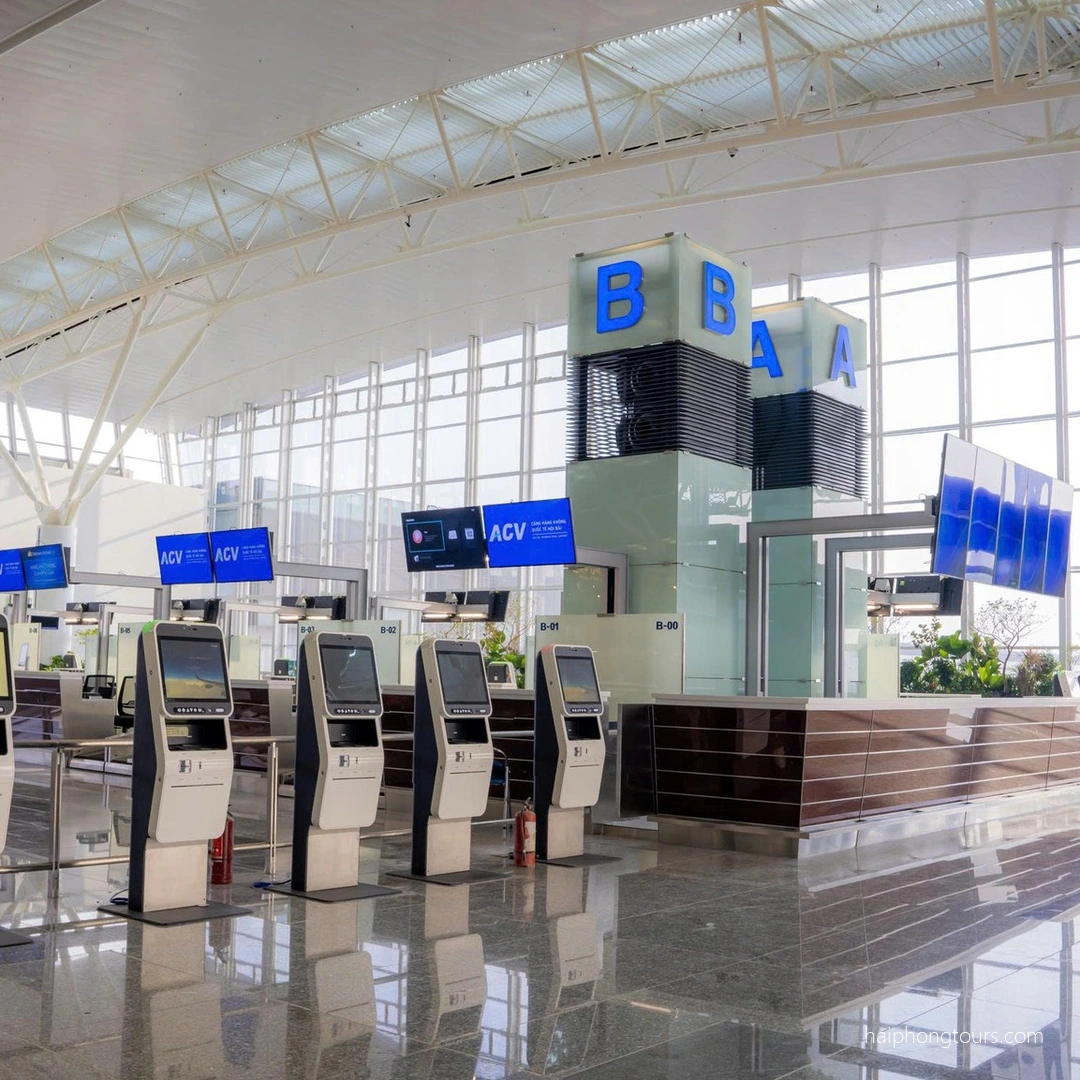
If a carried item is rejected, follow staff instructions rather than attempting to conceal or reclassify it. If the airline meal is missing, do not guess from appearance whether the standard tray meets an allergy, religious, or medical requirement. Ask what is known about the available meal, decline it when necessary, and use the remaining safe option from the plan.
Confirm the meal plan before airport check-in
A workable self-supplied meal plan answers four questions before travel: the food suits the passenger, the package fits the baggage rules, airport security can accept it, and transit or destination controls will not create an avoidable problem. Separately confirm any Vietnam Airlines special meal by code, sector, operating carrier, meal-service eligibility, and status. Recheck after a flight change, and retain a realistic fallback if either the airline tray or the carried food becomes unavailable.
Useful guides for your trip
Need help with airport transfers or the rest of your Vietnam trip? Contact us with your confirmed flight details, destination and travel dates to discuss a suitable ground transfer or sightseeing plan.