
The Lao Cai, Hanoi and Hai Phong standard-gauge project is not open for passenger booking. For travel now, search the existing Lao Cai to Hanoi and Hanoi to Hai Phong services, then follow the stations and train numbers on the issued tickets. The adjusted project has an approximately 363 km main line ending at Nam Hai Phong and about 63 km of branches; Nam Hai Phong is not today’s Hai Phong Railway Station. The 2030 date is a basic-completion target, not a confirmed opening, timetable or through fare. Travelers using Sapa, Cat Bi Airport, Cat Ba or another Hai Phong destination still need a separate road or ferry stage.
Start with the official Vietnam Railways search at dsvn.vn for the exact travel date. A project map, station rendering or construction notice cannot sell a current seat. Match the origin, destination, train number, time, carriage and seat or berth before arranging a hotel, station car or onward ticket.
Book the current rail corridors separately
The current Hanoi to Lao Cai passenger pattern has three regular train pairs. Hanoi to Lao Cai uses evening trains SP15, SP3 and SP7 with next-morning arrivals. Lao Cai to Hanoi uses overnight SP16 and SP4 plus daytime SP8. The current published pattern is:
- SP15: Hanoi 21:45 to Lao Cai 05:20.
- SP3: Hanoi 22:00 to Lao Cai 05:50.
- SP7: Hanoi 22:40 to Lao Cai 06:27.
- SP16: Lao Cai 21:25 to Hanoi 05:15.
- SP4: Lao Cai 21:50 to Hanoi 05:40.
- SP8: Lao Cai 12:05 to Hanoi 19:30.
Use the Hanoi to Lao Cai train guide for current station and Sapa-connection planning, but run a fresh official search before paying. A regular service pattern does not guarantee that every train, carriage or seat type is available on every date.
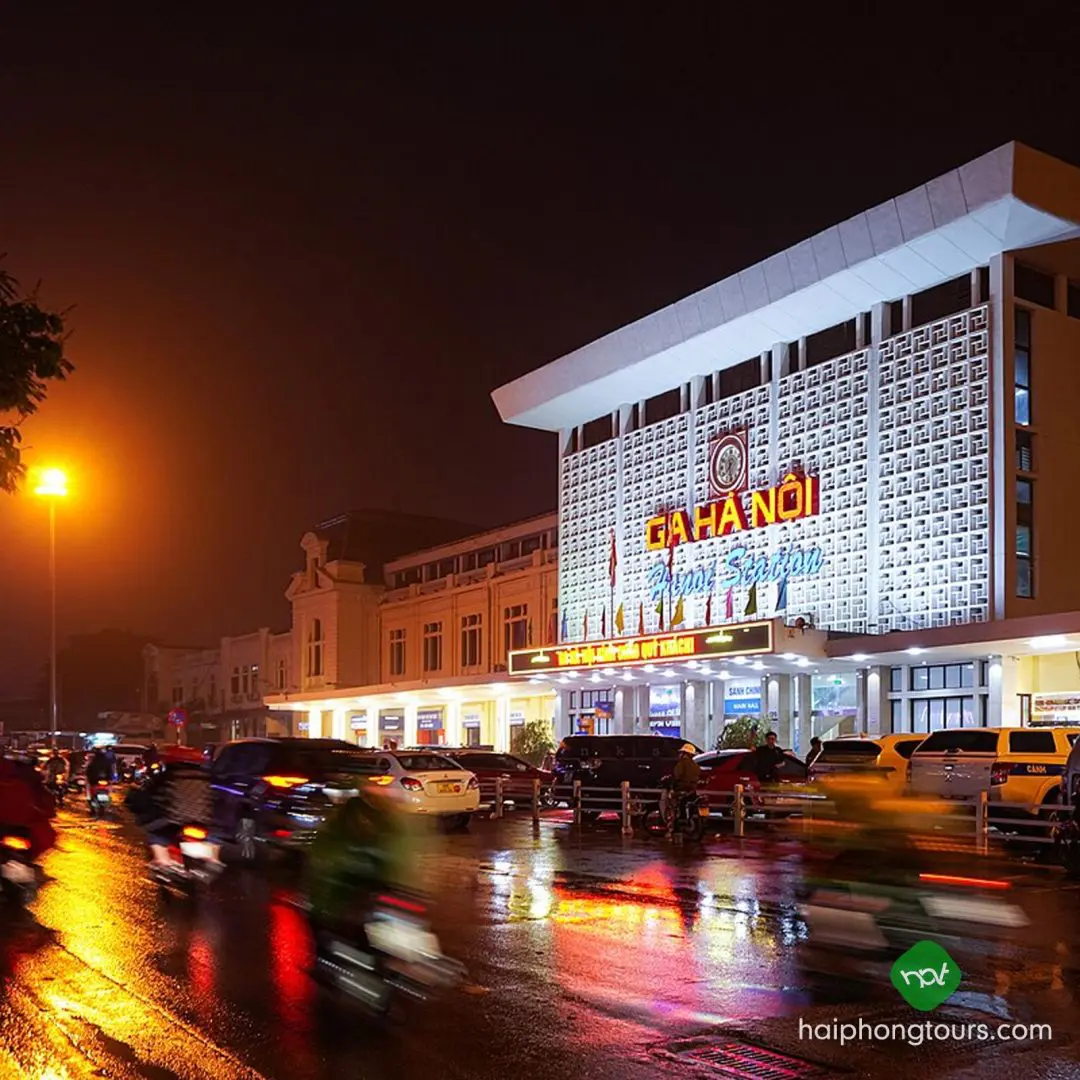
The Hanoi to Hai Phong corridor is also active. Its Hanoi-area origin can be Hanoi Railway Station, Long Bien or Gia Lam depending on the train and date. The Hanoi to Hai Phong train guide explains that station choice. Use the station printed on the ticket rather than a saved timetable or a general “Hanoi station” map result.
Build the Hanoi connection from both tickets
For Lao Cai to Hai Phong now, search Lao Cai to Hanoi and Hanoi to Hai Phong as separate legs. Do not assume the railway will hold the second train or move you between Hanoi-area stations. The arrival on the first ticket and the origin on the second ticket control the connection.
The daytime SP8 pattern reaches Hanoi at 19:30, so a same-evening Hai Phong train may not be available. Check before committing and be prepared for an overnight in Hanoi. SP16 and SP4 reach the Hanoi area in the morning under the current pattern, but you still need a margin for delay, luggage, station movement and boarding the second train.
Hai Phong Tours recommends booking both rail legs before building the hotel and road stages around them. The broader Lao Cai to Hai Phong transport guide compares the current train chain with road alternatives without treating the future project as an operating shortcut.
Use current station names and entrances
- Lao Cai Railway Station: 1A Khanh Yen, Lao Cai.
- Hanoi Railway Station: 120 Le Duan, Hanoi.
- Hai Phong Railway Station: 75 Luong Khanh Thien, Hai Phong.
These are current passenger stations. Nam Hai Phong is a future project endpoint, not the map pin for today’s Hai Phong ticket. The project name also does not prove that a future Hanoi stop will share the current Hanoi Railway Station entrance, platform or ticket office.
Long Bien and Gia Lam are separate current stations, not alternative names for Hanoi Railway Station. If the second ticket names one of them, calculate the transfer from the first train’s actual arrival station and save the correct Vietnamese station name offline.
Read the adjusted project scope correctly
The adjusted project runs from the cross-border rail connection in Lao Cai to Nam Hai Phong station. Its main line is approximately 363 km, with about 63 km of branches. It is planned at 1,435 mm gauge for passengers and freight, with electric traction on the main line.
Project length, gauge and design parameters describe infrastructure, not a passenger journey time. Stops, operating speed, commissioning, interchange, timetable and fares remain separate decisions. Do not use the project distance or maximum design parameters to predict a trip.
Treat 2030 as a project target
The project aims for basic completion no later than 2030. That wording does not confirm the first passenger date, public ticket sale, station opening or through service. A useful passenger announcement will need an official start date, bookable trains, station list, fare and boarding instructions.
Until those details appear in the current operator’s booking system, use the existing railway. The North Vietnam train travel guide covers current booking, seat and sleeper choices, ticket checks and station transfers.
Keep the Sapa road stage separate
Current passenger rail ends in Lao Cai city, not Sapa town. Arrange a legal road vehicle between Lao Cai Railway Station and the exact Sapa hotel. Send the passenger count, every bag, child-seat needs and any mobility equipment before the pickup.
A delayed train and a separately booked road transfer do not protect one another automatically. Keep the driver’s contact, share the train number and agree on the late-arrival procedure before leaving the previous station.
Keep Hai Phong Station separate from the final door
Hai Phong Railway Station is not Cat Bi Airport, Dong Bai ferry, a Cat Ba hotel, a factory or every address in Hai Phong. Use the exact final pin, then arrange the road or ferry stage with enough time for luggage and the next operator’s check-in.
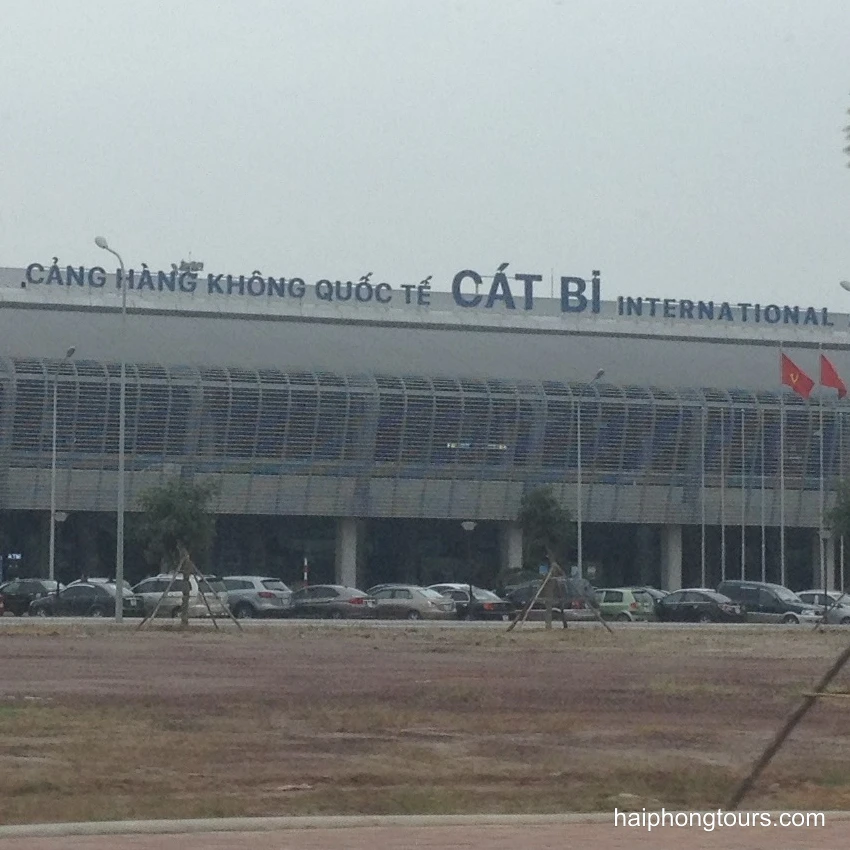
A train arrival does not protect a flight, ferry or island transfer. Work backward from that service’s check-in deadline and include the station exit, vehicle pickup, traffic and terminal or pier access. If the margin is too narrow, change the train, stay overnight or use a direct road journey that fits the complete route.
Check each current ticket before travel
- Search the official system for the exact travel date.
- Book Lao Cai to Hanoi and Hanoi to Hai Phong as separate current legs unless the official system issues a through product.
- Check every origin, destination, train number and after-midnight date.
- Confirm the carriage, seat or berth and passenger identity details.
- Save the ticket and QR code offline.
- Plan any Hanoi station transfer and leave an unprotected-connection margin.
- Arrange Sapa and Hai Phong last-mile transport separately.
