
Three nights at Yen Tu work for a traveler who wants one unhurried mountain day plus one lower-area cultural or recovery day. For a focused cable-car summit visit, one night is usually enough and the extra nights should go to the next destination.
Give the mountain one complete daylight day, use a second full day for lower heritage, a hosted cultural activity or recovery, and leave when the third night no longer protects a real experience.
Trip shape for Three Nights at Yen Tu
Trip shape: Arrive and confirm the base, use one complete day for the selected mountain route, use one full day below the mountain or as a movable weather day, then depart after the third night.
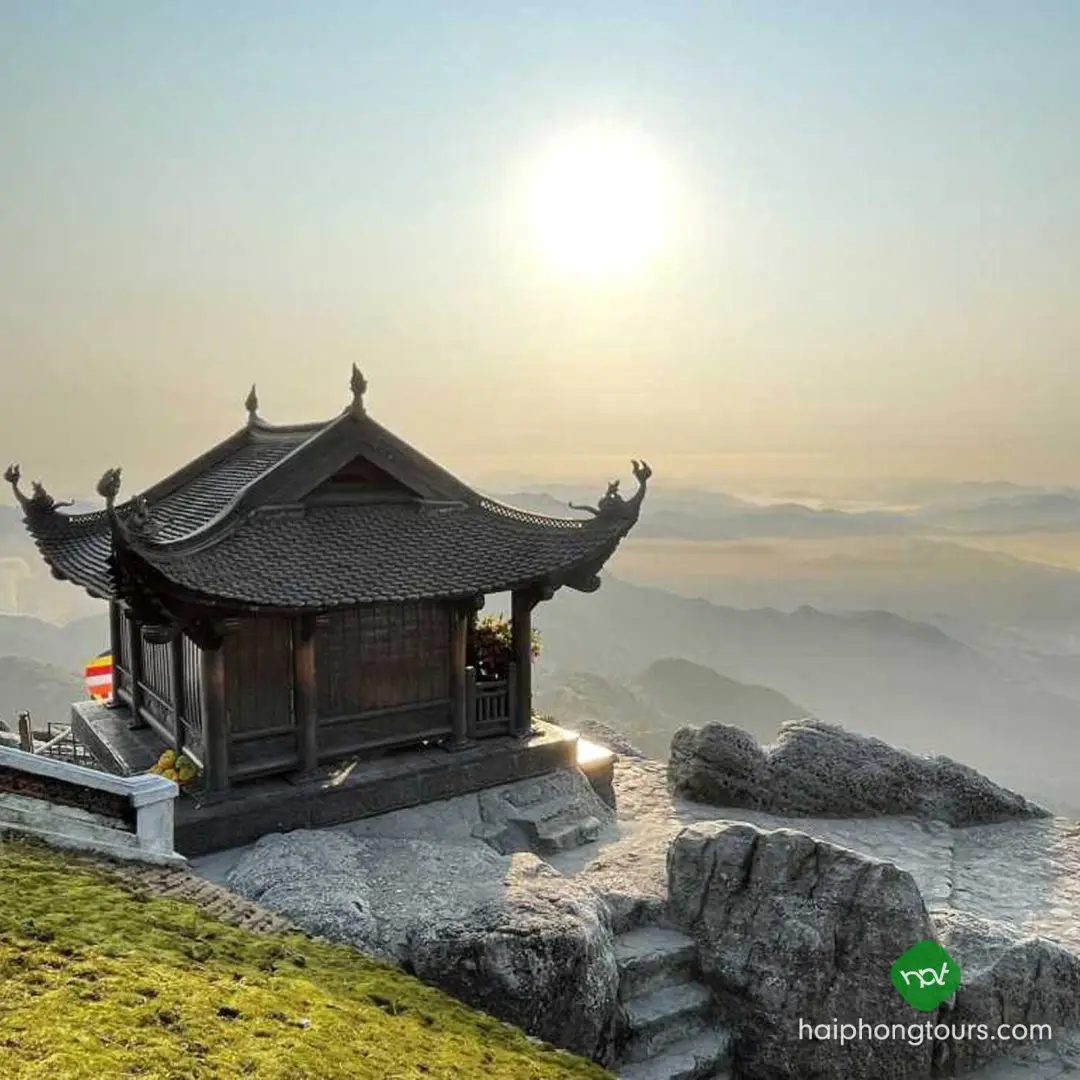
Base choice: A confirmed mountain-base property reduces the morning approach; Uong Bi offers a more practical reset when reception, meals or final vehicle access are uncertain. The correct base is the one the booked vehicle can actually reach.
Mountain day: Decide in advance whether the goal is Hoa Yen and lower heritage, both cable-car sections with remaining walking, or a substantial walking pilgrimage. Do not buy the day around the word summit alone.
Third-night test: Keep the third night when it protects a slower walking route, a confirmed cultural program, recovery for mixed mobility or a weather swap. Remove it when the second day is only an invented attraction list.
Lower-area day for Three Nights at Yen Tu
Lower-area day: Lang Nuong crafts or a reserved program, foothill heritage, a quiet property day and ordinary rest can form a useful second day. Verify what actually operates on the date.
No repeat-summit rule: Do not send the reader up the same mountain twice merely to fill three nights. A second ascent needs a distinct personal or pilgrimage purpose and current operating evidence.
Cable-car boundary: Cable cars reduce part of the ascent but do not remove steps, walking, queues or the descent. Operation can change, so do not publish one permanent first or last ride time.
Spring crowd test: Official 2026 reporting confirms heavy early-spring pilgrimage demand. Build extra process time and avoid claiming a quiet weekday or guaranteed queue length.
Weather for Three Nights at Yen Tu
Weather: Fog, rain, wind and heat can affect visibility, walking effort and cable-car operation differently. Use the current mountain and operator evidence, not only a city forecast.
Meals: Confirm breakfast before an early start, food or water on the route, and dinner after descent. A mountain ticket or hotel room does not establish meal coverage.

Luggage: Leave large bags at the confirmed base and take only the mountain day bag. Verify storage access if the climb occurs after checkout.
Arrival chain: Hanoi, Hai Phong and Ha Long each create a different road day. A one-way transfer ends at the written drop-off and does not wait through the mountain visit.
Departure chain for Three Nights at Yen Tu
Departure chain: Finish the full descent before the final-night decision. Do not combine a summit day with an unforgiving early flight or train.
Suitability: Strong for pilgrims, walkers, mixed-mobility groups or travelers who value lower heritage and recovery. Weak for someone seeking three days of varied high-energy sightseeing.
Exclusions: Do not promise free admission beyond the verified policy period, cable-car operation, an empty trail, mountain visibility, step-free access or a universal ascent time.
Failure branch: If the main route closes, keep the same road-reachable room and use a verified lower-area day. If the closure removes the main purpose, leave on the next confirmed transfer rather than manufacturing another mountain route.
Separate the summit day from the lower mountain day
Use one full day for the upper Yen Tu route. Hoa Yen, the cable-car stages and the summit approach belong to the same weather and energy decision, even when the traveler uses cable cars for most of the ascent. Starting late can compress the descent, while spring pilgrimage crowds can lengthen queues and make a nominally short transfer between stages feel much slower.
The other full day should stay below the summit. Lang Nuong, the lower temple area and a quiet meal or rest block give the third night a purpose without repeating the climb. Travelers who finish the mountain day tired can shorten this lower day without losing the main reason for the stay. A visitor who wants only the summit and has no interest in the lower area generally needs fewer nights. In a 3-night plan, the 2 full days therefore have different jobs: 1 mountain route and 1 lower-area or recovery day.
Fix the approach and departure as separate one-way journeys. Hanoi, Hai Phong and Ha Long are different origins with different products and road chains; a transfer into Yen Tu does not include a later journey to another city. Send the accommodation entrance, date, passenger count and luggage before travel because a broad Yen Tu label does not identify one hotel door. If the next destination is still undecided, keep the third night uncommitted rather than using it to justify an unsuitable onward route.

For mixed-mobility groups, agree on a lower meeting point before the climb. Cable cars do not remove every stair or queue, and companions may turn around at different levels. Keep essential medicine, water and the accommodation contact with each subgroup rather than in luggage left at the base.
Where Hanoi to Yen Tu transfer fits
In the current Hai Phong Tours catalogue, Hanoi to Yen Tu transfer and Hai Phong to Yen Tu transfer fit only the corresponding one-way arrival. Verify both pins, vehicle access, bags and receiving contact. Do not imply either includes mountain waiting or return.
Would you like help fitting this experience into your trip? Contact us with your travel dates, starting point, available time and group size. Tell us about walking limits or special interests so we can suggest a practical itinerary.