
Ba Be Lake to Ha Long City is a long road-planning decision between two destinations with several possible endpoints. Confirm the actual Ba Be village, homestay, tourism centre or Cho Ra pickup and the correct Ha Long hotel, Tuan Chau point, Bai Chay cruise port or named pier.
A staged shared proposal should not be treated as door-to-door transport. Before booking, identify every stop, change and local handoff, then protect any hotel reception or cruise check-in deadline with a practical buffer and fallback.
Define the Ba Be starting point
Village or homestay pickup
Send the full property name and a usable road pin. Ask the host whether the first vehicle reaches the entrance or whether passengers and luggage must move to another meeting point.
Tourism centre or park-area point
Use the exact facility and entrance rather than a general “Ba Be Lake” label. Record how the group will reach that point from its accommodation and when everyone can be waiting with every bag.
Cho Ra meeting point
Cho Ra is a separate road endpoint, not automatic pickup from a lakeside stay. Confirm the feeder movement from the accommodation and allow enough time before the first long-distance departure.

Select the Ha Long destination
Ha Long city hotel
Provide the full hotel name, entrance pin and reception window. A city arrival does not automatically include delivery to a port or a property in another part of the destination.
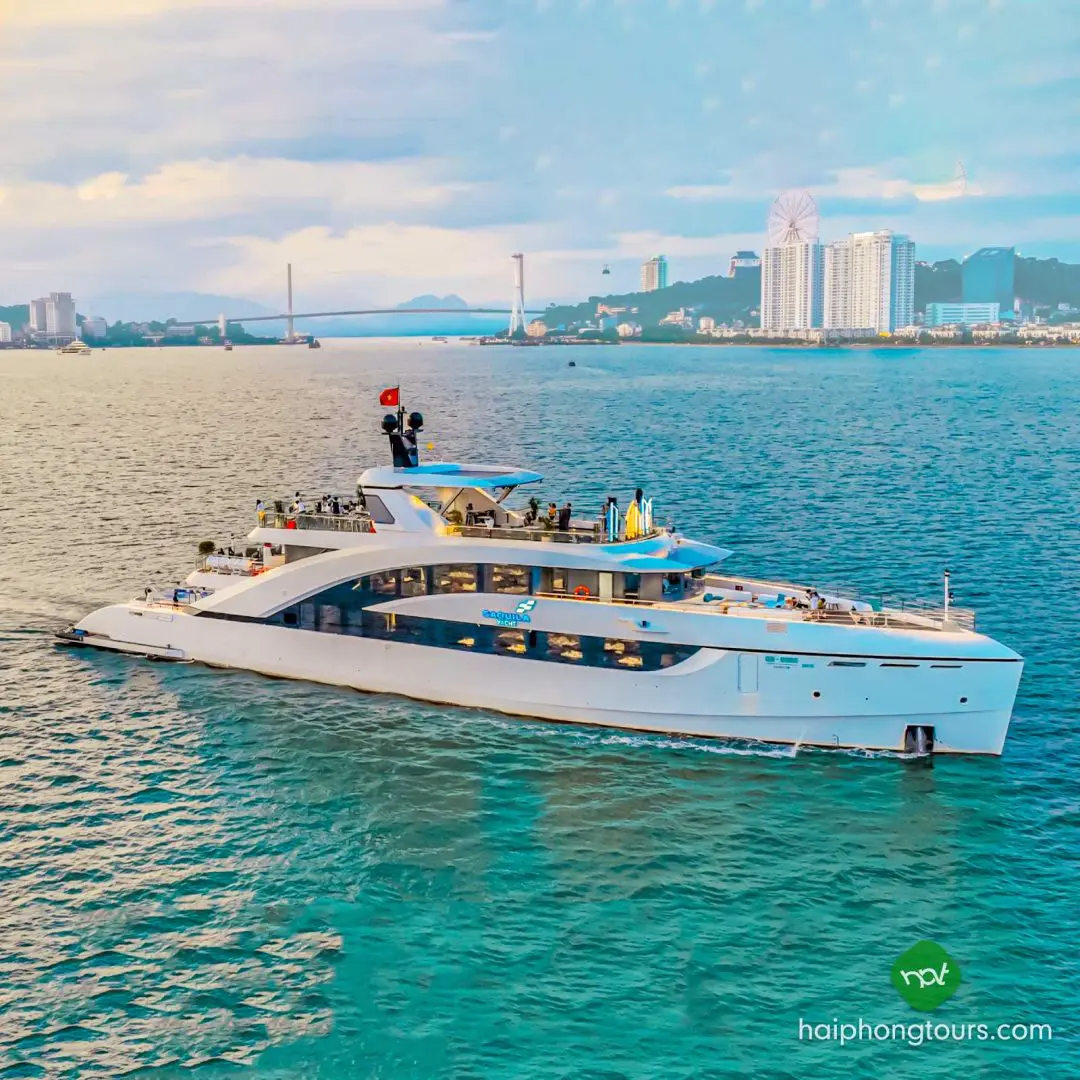
Tuan Chau
Name the hotel, terminal, marina meeting point or other exact address. If the journey connects to a cruise, send the operator’s stated check-in point and cutoff rather than using “Tuan Chau” as a complete instruction.
Bai Chay cruise port or another pier
Identify the named port or pier and the passenger meeting place. Tuan Chau, Bai Chay and other piers are not interchangeable, and a correction after arrival can consume the margin intended for cruise check-in.
Compare the transport structures
Private through-car
A route-specific private quote may reduce handoffs, but it still needs both pins, passenger and luggage count, vehicle capacity, planned breaks, waiting terms and final delivery in writing. If a port deadline controls the trip, require the target arrival rather than a vague estimated duration.
Staged shared transport
List every current operator, stop and interchange. Check where bags are reclaimed, how travelers move between different stations and whether the final Ha Long movement is included or must be arranged separately.
No exact catalogue product currently qualifies for Ba Be Lake to Ha Long City. A listing involving another Ba Be or Ha Long direction must not be treated as proof that this route is available.
Break the journey into three responsibilities
1. Ba Be local collection
The first responsibility begins at the accommodation or at the feeder meeting point named by the host. The confirmation should state who moves the travelers from a village stay to Cho Ra, a tourism centre or another usable road point when the long-distance vehicle does not collect at the door.
Do not leave this movement as “local pickup.” Record the driver or host contact, the map pin, the number of bags and the time the group must leave the property. If breakfast, a boat trip or another activity finishes shortly before departure, allow a practical preparation margin rather than treating the activity end as the vehicle-ready time.
2. Long-distance road leg
The central booking should identify where it accepts the group and where it releases them in Ha Long. A shared proposal may end at a station or roadside stop instead of the requested hotel or pier. Ask whether passengers stay in one vehicle, where changes occur, and whether the quoted capacity still works with the declared luggage.
For a private arrangement, agree on rest stops and the procedure after a delay or vehicle problem. A private label does not by itself guarantee a direct hotel or port delivery; the written endpoint remains the controlling detail.
3. Ha Long delivery or port handoff
The final responsibility starts where the long-distance leg ends. If another taxi or local vehicle is needed, name its pickup point and allow for unloading, finding the driver and reloading bags. For a cruise connection, the final handoff is complete only when the traveler reaches the operator’s stated passenger meeting point, not merely the wider Tuan Chau or Bai Chay area.

Match the plan to the traveler
A private through-car is usually the simpler structure for a family, a group with several suitcases, travelers who need a precise hotel entrance, or anyone protecting a cruise check-in. The important test is not comfort alone; it is whether one written booking assigns the village collection, long road leg and final delivery.
A staged shared plan may suit a flexible traveler carrying manageable luggage and staying overnight in Ha Long before any cruise. It becomes less suitable when several unprotected changes, unfamiliar stop-to-stop movements or a same-day port cutoff leave no recovery margin.
Plan luggage and access before payment
Declare suitcases, backpacks, mobility equipment and any unusually large item when requesting transport. Ask whether bags remain with the group during each change and whether the final local vehicle has enough capacity. A quote that works for seated passengers may fail when the baggage is added.
At both ends, compare the map pin with the access instructions supplied by the accommodation or cruise operator. Save those instructions offline. Rural pickup points and large port areas can be difficult to resolve from a property or destination name alone when mobile data or phone contact is unreliable.
Use a written fallback ladder
- Keep the intended village-to-Ha Long chain as the primary plan.
- Identify a later local transfer when the main road leg still reaches the correct city area but misses the arranged last mile.
- Choose a verified Ha Long hotel for an overnight when the cruise handoff is no longer safe.
- Contact the cruise or accommodation provider directly when a delay changes the agreed reception.
The fallback should name real meeting points and contacts from the traveler’s bookings. “Take a taxi if late” is not enough when the arrival stop, port and available vehicle access have not been established.
Decide whether an overnight is safer
A village feeder, uncertain connection or late Ha Long arrival can make a same-day cruise handoff fragile. If a missed check-in would disrupt the wider itinerary, travel to a confirmed hotel endpoint the previous day instead of depending on an unprotected chain.
When comparing same-day and overnight plans, count the number of responsibilities that can fail independently: the Ba Be feeder, the main road leg, each shared change and the Ha Long last mile. The overnight is valuable when it removes a fixed port deadline from that chain, not simply because the overall route is long.
Written confirmation checklist
- Ba Be village, homestay, tourism-centre or Cho Ra pickup pin;
- realistic road-ready time and luggage location;
- Ha Long hotel, Tuan Chau, Bai Chay port or named pier endpoint;
- cruise check-in point and cutoff, when relevant;
- every provider, stop, transfer and local last mile;
- passenger and luggage capacity;
- late-arrival and overnight fallback.
To ask whether a catalogue-listed Ba Be Lake-to-Ha Long City option has since been added, contact Hai Phong Tours with both pins, the date, passenger count, luggage and any port deadline; if no exact match exists, arrange a currently verified local provider for the complete village-to-hotel or pier chain.
Useful guides for your trip
Would a private transfer make this journey easier? Contact us with your travel date, exact pickup and drop-off, number of travelers and bags. Include any flight, train or cruise deadline so we can assess a suitable plan and quotation.