
Cam Luong is memorable because a dense gathering of large fish occupies a small stream beside a Muong village, surrounded by local beliefs about protecting them. It is not a conventional aquarium, a fishing experience or a large wildlife reserve.
Choose Cam Luong for a focused cultural stop in western Thanh Hoa, especially when it fits an inland route. Allow about one to one and a half hours for a relaxed basic visit, with additional time for lunch or an authorized local extension. A return journey from Thanh Hoa city is much longer than the time needed at the stream itself.
Find the right Cam Luong
The place is usually called Suối cá thần Cẩm Lương, or Cam Luong sacred fish stream. The provincial visitor information places it at Luong Ngoc village in the Cam Luong area of Cam Thuy, with newer listings using Cam Tu commune. Keep the attraction name and exact pin together when arranging transport.
Cam Thuy is a wider area and a road junction on many northern tourism maps. A bus or driver agreeing to “Cam Thuy” has not necessarily agreed to the fish-stream entrance. Ask for the last part of the route, where the vehicle can stop and how you will return to it.
What you are actually coming to see
The tourism authority describes a short stream at the foot of the Bo Um mountain area, closely associated with the local Muong community and sacred-fish traditions. The attraction is the concentration of fish and the cultural setting, not an extensive zoo circuit.
Spend a few minutes observing before taking photographs. A guide can explain local stories and the relationship between the village and the stream. Treat those accounts as community traditions, not scientific explanations of fish behavior or promises that the water has special health properties.
Visitors who want a major mountain walk, a full afternoon of children’s activities or a dramatic waterfall may find the stop too small on its own. It becomes more satisfying when you deliberately choose it for what it is, rather than because an itinerary lists it among several “must-see” places.
Travel from Thanh Hoa city
Official local tourism sources put the stream roughly 80–85 kilometers from Thanh Hoa city or its station, depending on the starting point. Allow around two hours each way as a broad road-planning reference, then ask a driver to check the current route and conditions.
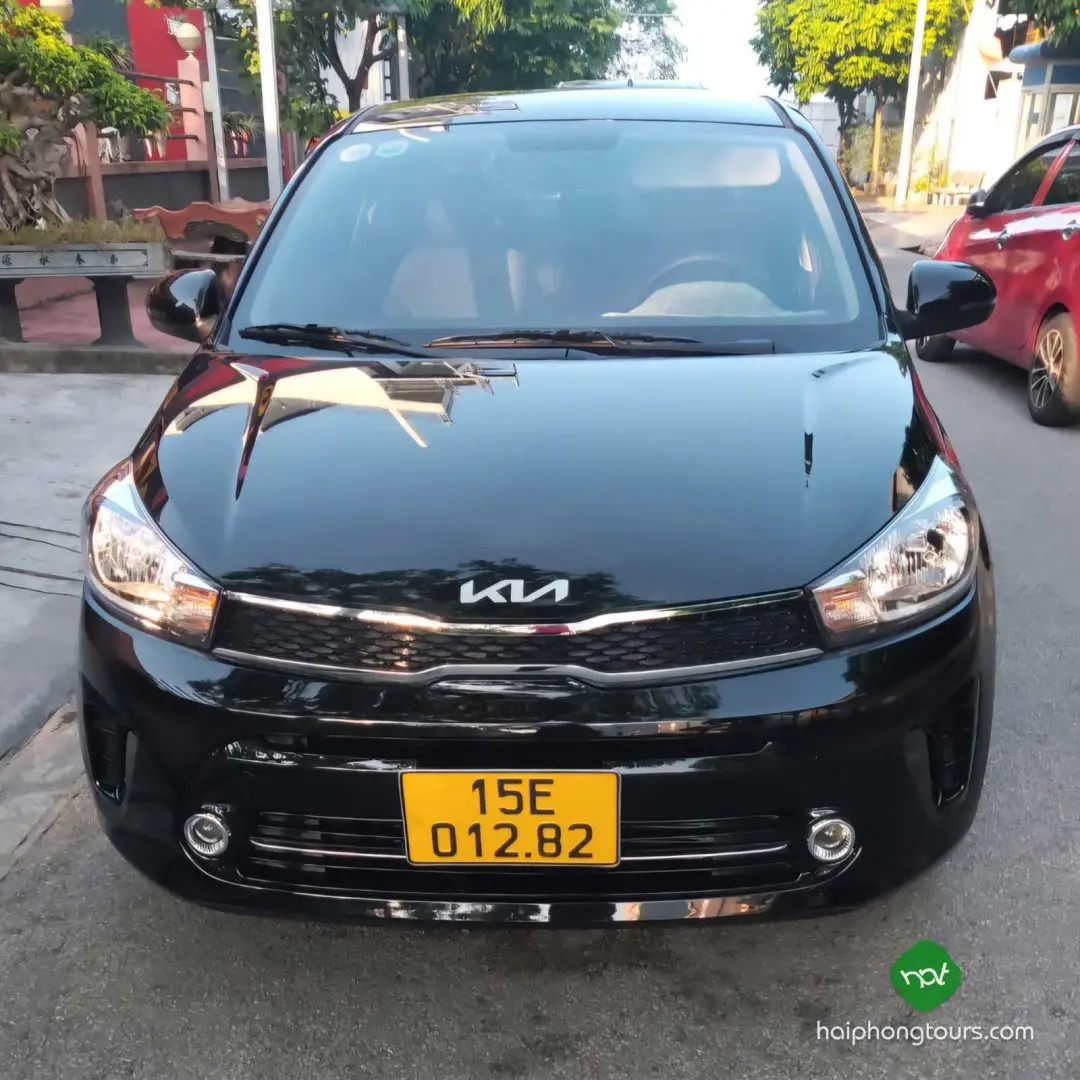
A private car with waiting is the easiest way to keep control of a return day. Confirm whether the quote includes the stop, the time you expect to spend there and a lunch break. A simple one-way fare to Cam Thuy town does not solve the final ride or the journey back.

Local transport can be considered if you have a flexible day, but first obtain the exact Cam Thuy drop and the availability of a local taxi for both directions. Do not rely on a proposed route on an old transport map as evidence of a working service to the stream.
Tickets and the cost of a small visit
The provincial tourism guide gives an indicative adult ticket range of VND 20,000–30,000 and a child reference of VND 10,000. Use those figures only to understand that the entry cost is small compared with the journey. Confirm the current ticket board and child category at the entrance.
Parking, local transport, a guide or an optional extension may be separate. Ask what a seller is offering before paying: an entrance ticket, a vehicle ride and a guided walk are different purchases. Keep enough small cash for incidental expenses rather than expecting every stall to accept a foreign card.
For a solo traveler, transport is likely to determine whether the day makes sense. A low admission price does not automatically make a long private round trip a cheap excursion. Compare the stream as a stop on an existing route with a dedicated out-and-back day.
A practical visit sequence
- Confirm the return meeting point. Save a photograph or pin before leaving the vehicle.
- Check the entry arrangements. Ask which walking areas are open and whether any path has been restricted after rain.
- Walk to the stream at an unhurried pace. Give other visitors room at the viewing edge and keep children away from slippery banks.
- Observe and ask questions. If you want cultural interpretation, arrange it rather than assuming an English-speaking guide will be standing at the water.
- Decide on extras only after seeing the conditions. A cave, shrine or uphill path mentioned by a seller is not automatically part of the basic visit.
A modest visit can still be rewarding. There is no need to invent several hours of activity simply to justify the drive. If your group has different interests, agree in advance whether this is the main attraction or a short break between overnight bases.
Respect the fish and the village
Do not catch, touch, disturb or throw objects at the fish. Only follow an authorized feeding arrangement if site staff explicitly allow it; do not assume that food sold nearby is appropriate to put in the stream. Keep litter, soap and food packaging out of the water.
Do not drink from the stream because a story describes it as pure or sacred. Bring your own drinking water. Local beliefs deserve respectful attention, but they are not a substitute for a suitable drinking-water supply.
Ask before photographing residents closely or entering a home. A village next to an attraction is still a place where people live and work. If you are interested in a community visit, arrange a host and pay for the agreed service rather than treating every doorway as an open exhibit.
Food and a comfortable break
For lunch, ask for a simple freshly prepared meal and confirm the portion size before ordering. Rice, vegetables and a clearly identified cooked main dish can be easier to arrange than a complicated special menu at short notice. Tell the restaurant about allergies before cooking begins, not after the meal arrives.
Carry a snack if traveling with children or arriving between normal meal periods. A drink stall is not evidence of a kitchen able to serve a full lunch. If your schedule depends on a group meal, have the driver or guide confirm it in advance.
Combine it with the right journey
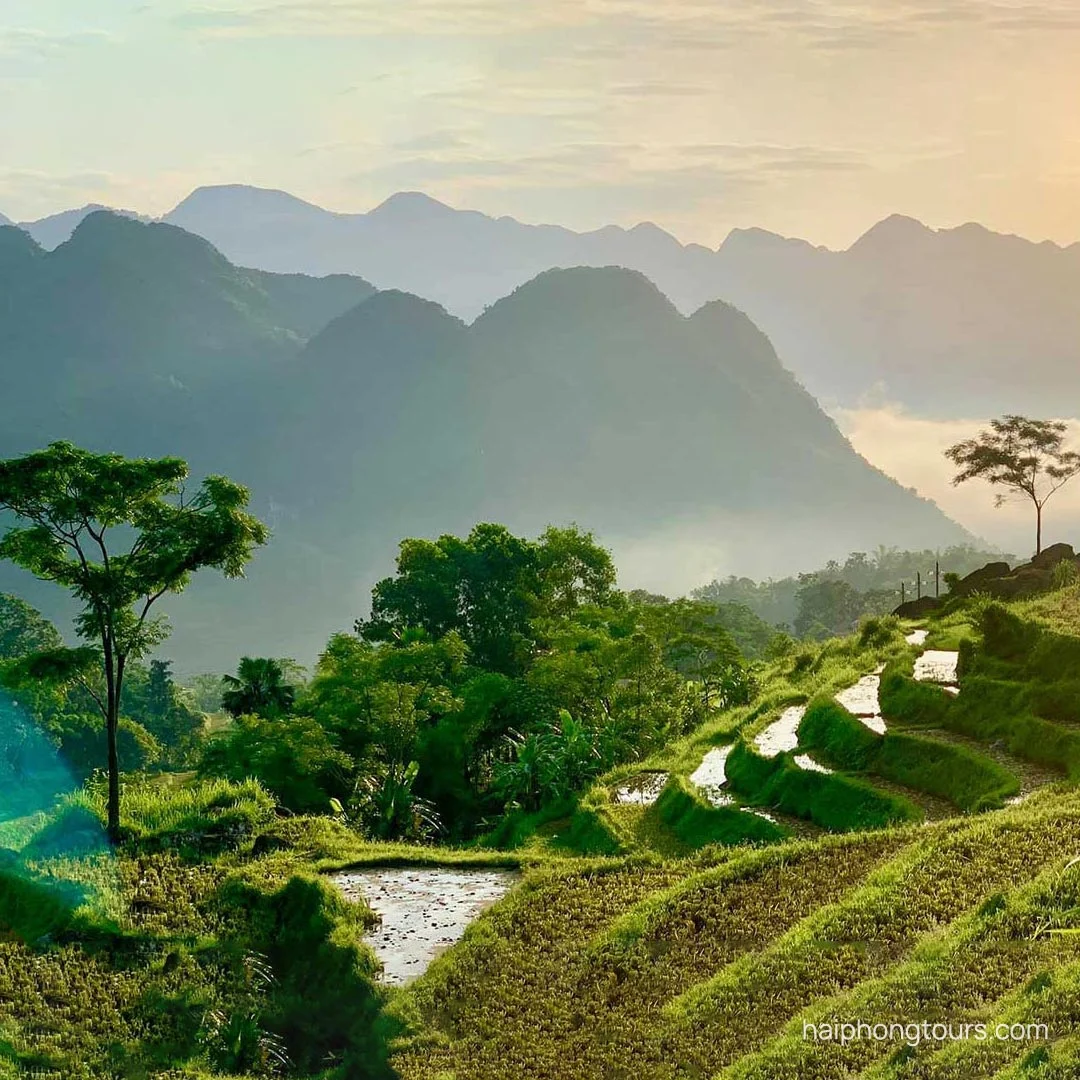
The most useful combinations are ones already taking you inland. Ho Dynasty Citadel offers a different historical focus, while a Pu Luong stay adds the mountain scenery and walking that the fish stream itself does not provide. The actual order should be chosen from your hotel pins and the roads, not from the visual proximity of labels on a schematic map.
Trying to combine Cam Luong, the citadel, Lam Kinh and a return to Sam Son in one day risks making the experience mostly a vehicle journey. Choose one main attraction and, at most, a sensible secondary stop. Read the Thanh Hoa base-planning guide before using a beach hotel for every western excursion.
Weather, walking and onward connections
After heavy rain, ask about road and path conditions before departure. Slippery ground and changing water conditions can affect a short stream visit as well as a longer mountain trip. Do not step around a closed barrier to obtain a better photograph.
For limited mobility, ask about the distance from parking to the viewing area, steps, surfaces and the toilet arrangement. Do not infer accessibility from the short recommended visit length. If a return train or flight is involved, leave a proper buffer for the long road leg.
Thinking of adding Cam Luong to a western Thanh Hoa transfer? Contact Hai Phong Tours with your two overnight locations and preferred stops. We can assess whether the stream fits naturally or whether another day would give you a more comfortable visit.