
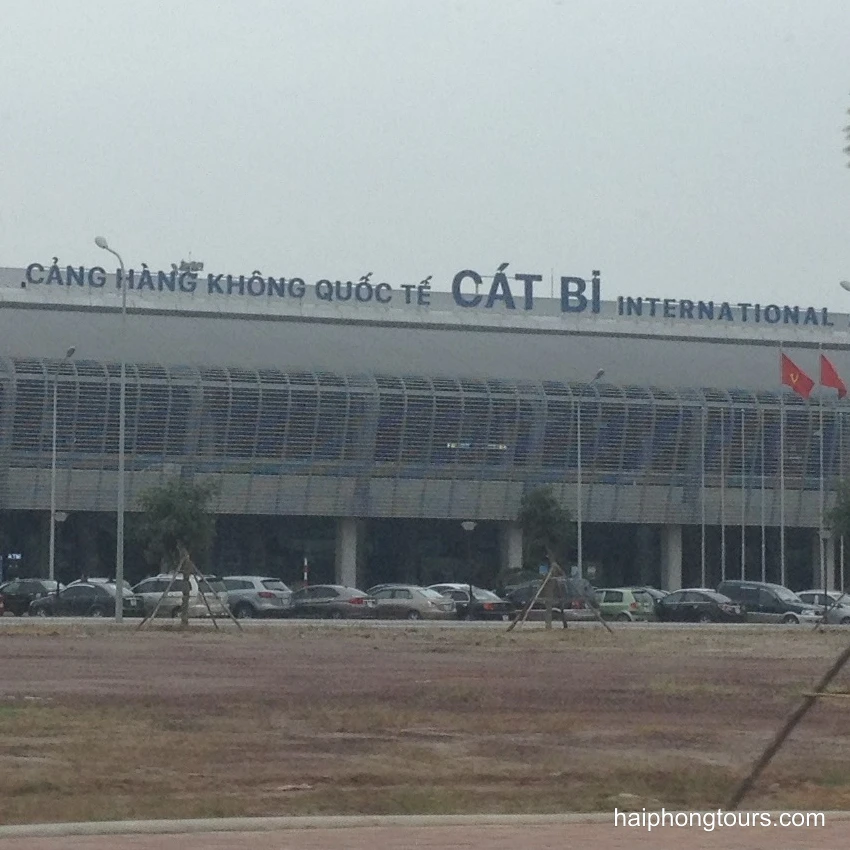
Cat Bi to Pu Luong is a long arrival day, not a short airport shuttle followed by sightseeing. Confirm the exact lodge gate, the final village road, a planned driver rest and a late-arrival contact before the vehicle leaves Hai Phong.
The practical first day is the road, food, check-in and recovery. Hai Phong Tours recommends moving waterfalls, markets, sunset stops and trekking to daylight after the lodge confirms local access.
Write the whole airport-to-room chain
- Flight procedures and baggage at Cat Bi.
- Public arrivals meeting with the verified driver.
- Long mainland road stage with a lawful rest.
- Pu Luong commune or village approach.
- Lodge gate, parking point or local feeder vehicle.
- Reception handoff of travelers and every bag.
A route reference from central Hai Phong does not include airport release, traffic, meal or rest time, weather or the final village lane. Quote the complete chain instead of promising a terminal-to-room duration.
Make the lodge endpoint precise
Send the accommodation’s exact name, live pin, village or commune, reception phone and latest staffed arrival. Ask whether the booked vehicle reaches the gate, where it parks and whether a smaller local vehicle or short walk completes the trip.
Similar property names and broad Pu Luong map pins can lead to the wrong valley or approach. The lodge should confirm the entrance for that vehicle and date, especially after rain or road works.

Check the final road, not just the highway
Local approaches can be narrow, uneven or under repair. That does not mean every road is closed, but it makes current lodge and driver confirmation essential. A van that works on the main road may not fit the final lane.
Ask for the last staffed fallback before the village. If the property reports that the approach is restricted, stop at that agreed point and use only the local transfer it names.
Build a realistic arrival-day clock
Begin with passenger-ready time after baggage. Add the public meeting, loading, road stages, driver rest, meal, fuel or toilet needs, local-road approach and reception handoff. A late aircraft can move the final section into darkness.

Set a decision time before the remote approach. If the group cannot reach the confirmed gate while reception and local support are available, use the named fallback stay and continue in daylight.
Send the driver a useful brief
- Flight number, arrival type and checked-bag count.
- Passenger-ready range and public meeting point.
- Every traveler, case and unusual item.
- Child restraint or mobility requirement.
- Lodge pin, entrance note and reception contact.
- Planned rest and meal arrangement.
- Waiting, detour and late-arrival terms.
Keep the airport and lodge contacts offline. One lead traveler should update both sides when the flight, bags or road delay changes the expected arrival.
Choose the vehicle for the final lane
Passenger count alone is not enough. List large cases, cabin bags, stroller, wheelchair, sports equipment and the largest item. Ask whether the assigned vehicle reaches reception with that load.
If bags transfer to a smaller local vehicle, name the handoff point and person responsible. Keep passports, medicine, cash and electronics with the travelers during any stop or vehicle change.
Plan food, water and driver rest
A long road day needs a lawful driver rest and a predictable traveler break. Decide whether the stop is included, how long it lasts and whether it changes the quote. Choose a staffed place rather than an unplanned roadside detour.
Carry water and essential medicine access without burying them in the luggage area. A traveler with dietary or medical needs should arrange the late meal with the lodge before leaving Cat Bi.
Use weather as a go or stop signal
Check official short-range rain, flood and landslide warnings, then ask the property about the actual approach. A clear airport does not prove the mountain road and village lane are suitable.
When a local authority or the lodge restricts access, the private car must stop. Stay at the last safe staffed base and restart only after the current route is confirmed.
Confirm whether the HPT route fits Cat Bi
The Hai Phong to Pu Luong transfer is a useful route reference, but Cat Bi terminal pickup is not automatic. Obtain written confirmation of airport meeting, waiting, vehicle, exact rural endpoint and road access before booking it for a flight arrival.
Recover from the predictable failures
The flight lands too late
Update the driver and lodge from public arrivals. Use the agreed staffed fallback when the final lane or reception cannot be completed safely in daylight.
The lodge pin is wrong or the gate is locked
Stay at a lit legal stopping point with the vehicle and contact reception. Do not unload travelers and bags onto an unverified lane.
Rain changes the approach
Follow the lodge and authority routing. Preserve messages and receipts, change the room or transfer in writing and avoid asking the driver to improvise on a restricted road.
Protect the lodge handoff
Before paying, compare the quote with the final lodge instructions. The document should name Cat Bi pickup, waiting, the planned rest, vehicle, luggage, village entrance, possible feeder stage and what changes after a flight delay. A city-to-city price without the last lane is not a complete Pu Luong arrival.
Share the same version with the lodge and driver. If they describe different gates or vehicle access, resolve that conflict before travel. The traveler should not become the person negotiating a remote handoff after dark with weak phone coverage.
The successful Cat Bi to Pu Luong transfer ends when the property accepts the travelers and luggage. A complete gate plan, daylight fallback and sensible rest matter more than attaching another attraction to an already long arrival day.
Would a private transfer make this journey easier? Contact us with your travel date, exact pickup and drop-off, number of travelers and bags. Include any flight, train or cruise deadline so we can assess a suitable plan and quotation.