
The Vietnam Museum of Ethnology is not inside Cau Giay Metro Station. Cau Giay is the operating eastern endpoint of the elevated Line 3 section, while the museum’s public visitor address is on Nguyen Van Huyen Street in Nghia Do. You need a real last-mile route between the signed metro exit and the current public visitor gate.
Verify that the museum is open before making a dedicated transfer. Its visitor information supports a Monday-closure pattern for public services, but holidays, special events and temporary conditions still require a travel-day check. A short recorded road ride is the simplest option with children, bags, limited mobility or poor weather.
Confirm the museum visit first
Check the opening day, ticket sales and current public entrance with museum reception or ticket staff. Do not route to a broad campus pin, staff entrance or service gate. A legal vehicle drop outside the grounds may still be the correct visitor arrival point.
Ask about temporary gallery or outdoor-area closures if a particular collection is the reason for your visit. An open campus does not guarantee that every building, performance or public service is available. If the intended experience is unavailable, rescheduling may be better than paying for a gate transfer.
The museum is not a luggage-storage service. Confirm the current bag rule before arriving with suitcases or bulky equipment. Keep passports, medication and valuables with you, and use verified storage elsewhere when the museum cannot accept the load.
Leave Cau Giay from the operating station
Current Line 3 passenger service uses the elevated section between Nhon and Cau Giay, with Cau Giay as the eastern endpoint. Follow current station signs and do not use a plan that depends on an unfinished underground continuation toward central Hanoi.
Photograph the signed exit and share a live pin if a driver is collecting you. Wait at a legal staffed point and match the recorded plate before boarding. Do not invent an exit number or assume a fixed lift route from an old map.
For a wheelchair user, stroller or traveler who cannot use stairs, ask Hanoi Metro staff which platform-to-curb path is available. Then ask the museum about the accessible visitor gate and route across the grounds. The complete chain matters; one working lift does not make every segment step-free.
Compare the last-mile choices
Recorded short road ride
A taxi, app ride or licensed car is practical for a family, several bags, limited mobility, heavy rain, heat or a time-limited museum visit. Give the driver the museum’s current public visitor gate on Nguyen Van Huyen Street and request a legal drop, not entry through a staff gate.
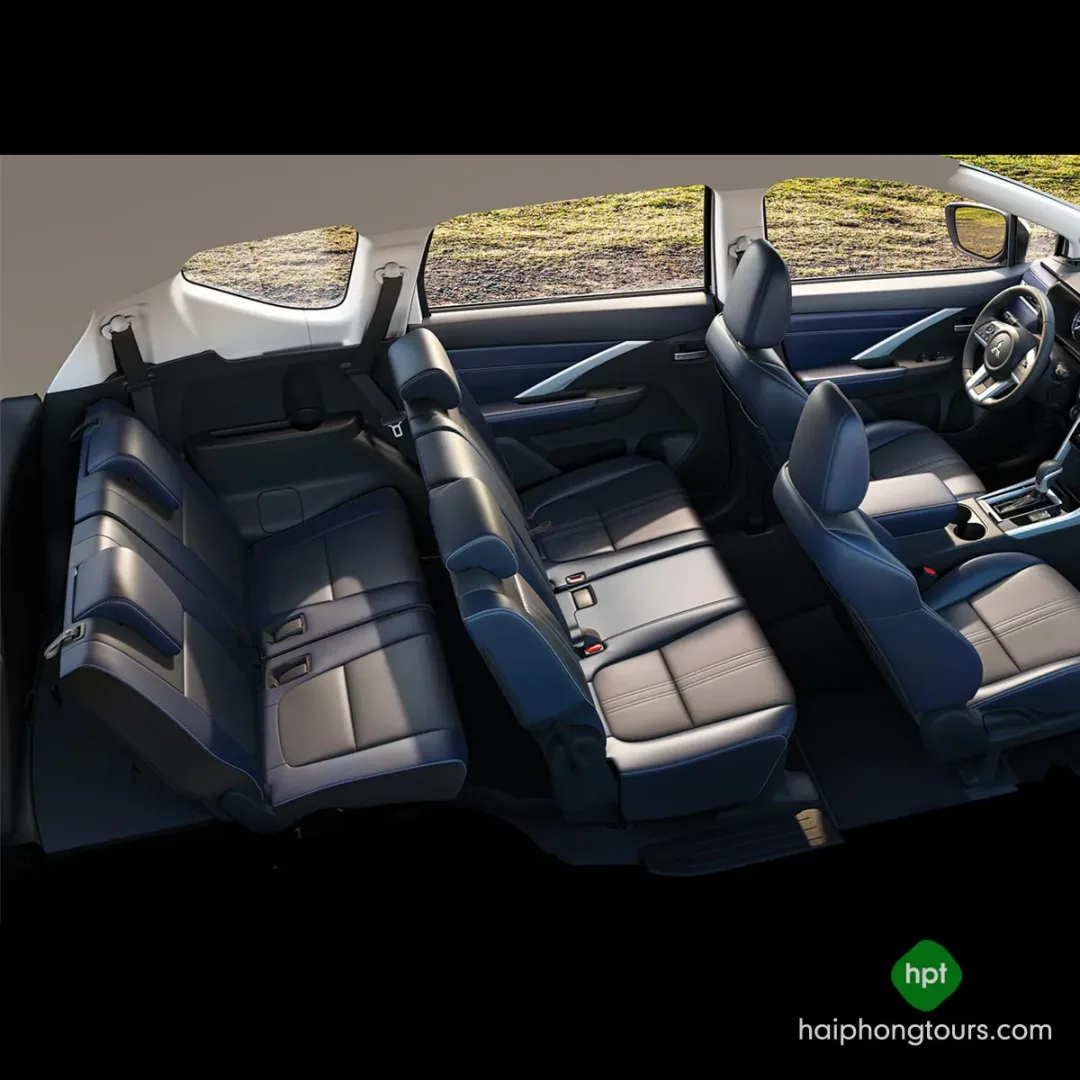
Keep the vehicle record and confirm the return plan before ending the ride. If phone signal or app availability is uncertain later, ask museum staff where visitors can legally meet a recorded vehicle after the visit.
Verified public route or walk
A local city connection or walk may suit a traveler with light luggage and comfortable mobility. Verify the full route on the day, including the correct road side, crossings, final approach and current visitor entrance. Do not freeze a city-bus number or stop from an old itinerary.
Weather and pavement conditions can change the decision. A map distance does not show shade, safe crossings, construction or the effort of carrying a case. If the route is uncomfortable for the least mobile member of the group, use recorded road transport.
Plan the return before entering
Check the museum’s expected closing and the current public exit. Special activity or security arrangements can release visitors from a different gate. Save the signed entrance, a nearby legal meeting landmark and the Cau Giay station identity before starting the visit.
Recheck Line 3 operation if the visit will end late. The museum, road service and metro are independent. A delayed visit does not keep the metro open, and a metro disruption does not create museum transport.
For practical editorial planning, Hai Phong Tours treats the museum gate and metro exit as two separate controlled points. No exact Hai Phong Tours transfer is listed for this short urban connection, so the guidance should not be read as a transport booking or museum service.
If the visit has a fixed tour or activity time, ask museum reception when the group must reach the public gate and whether late admission remains possible. Work backward through the last mile and Cau Giay station exit. When a delay means the intended activity is no longer available, reschedule instead of rushing a driver or entering through a nonpublic gate.

What to do when the plan fails
- The museum is closed: Stay near the staffed metro area, reschedule or choose another confirmed open attraction instead of traveling to the gate.
- The driver selects a staff entrance: Redirect to the current public visitor gate and follow museum staff on the legal drop.
- Bags are not accepted: Use verified storage or change the visit. Do not leave luggage at an unstaffed roadside point.
- The walking route is unsuitable: Return to a staffed public place and arrange a recorded road ride.
- Line 3 will not be useful after the visit: Plan a road journey to the real next destination rather than returning automatically to Cau Giay.
Pre-departure checklist
- Museum opening, ticket sales and intended public service are confirmed.
- The destination is the current public visitor gate on Nguyen Van Huyen Street.
- Cau Giay Line 3 exit and legal pickup or first walking segment are clear.
- Bag rules, accessible paths, weather and crossings are practical.
- The return pickup or metro plan is saved before entering the museum.
Would a private transfer make this journey easier? Contact us with your travel date, exact pickup and drop-off, number of travelers and bags. Include any flight, train or cruise deadline so we can assess a suitable plan and quotation.
