
Lang Son’s markets are most rewarding when you know what you want from them. A traveler looking for everyday trading and neighborhood atmosphere may enjoy Ky Lua more than another building of imported goods; someone already visiting Dong Dang can combine its market with the temple without making a separate shopping journey.
Choose Ky Lua for the historic city-market setting, Dong Kinh for a larger commercial browse, and Dong Dang when the border town is already part of your route. Two markets in one day are usually enough. Keep the evening pedestrian program, lunar market sessions and ordinary daily shopping separate in your plan.
The three markets at a glance
| Market | Useful location wording | Best reason to choose it |
|---|---|---|
| Chợ Kỳ Lừa | Thân Công Tài and Trần Đăng Ninh area, Lang Son | A historic market neighborhood with trading traditions and a useful city walk. |
| Chợ Đông Kinh | Phai Vệ area; ask whether pickup is at the Bà Triệu gate | A larger shopping stop with a broad commercial selection. |
| Chợ Đồng Đăng | Quốc lộ 1A, Đồng Đăng; confirm the market entrance | A market visit combined with Dong Dang’s temple and town, rather than a second city market. |
Use the Vietnamese market name and an entrance pin for transport. Official listings can preserve older ward names, and a large building may have several gates. Agree where to meet before splitting up or leaving purchases at a shop.
Ky Lua: understand the market calendar
Chợ Kỳ Lừa has a long history as a trading and meeting place in Lang Son. The official tourism material describes six traditional market sessions per lunar month on dates ending in two or seven: the 2nd, 7th, 12th, 17th, 22nd and 27th.
Those are Vietnamese lunar dates, not the same numbered dates on your normal calendar. Ask your accommodation to convert the session that falls during your stay and explain what is expected to be active that morning. A traditional session date does not mean every other day is completely closed, nor that every session produces the same gathering.
Allow around an hour for a first visit, longer if you enjoy browsing and photographing street life with permission. Start with the surrounding shopfronts and the accessible trading areas rather than searching only for a particular picture of an ethnic market.
This is a living commercial neighborhood. People may wear everyday clothes, use smartphones and buy manufactured goods. The visit does not become less worthwhile because it does not resemble an old postcard.
The market and the pedestrian streets are different
The Ky Lua pedestrian-street program is an organized evening activity, not a guarantee that the main market operates all night. Current local notices allow the pedestrian program to be adjusted or suspended, including for public-health conditions. Check whether it is actually running during your stay before arranging an evening specifically around it.
If it is not operating, have a normal dinner in town and visit the market in daylight. Do not interpret an old Friday-and-Saturday schedule as a permanent promise of performances, food stalls or closed roads.
Dong Kinh: a shopping stop with realistic expectations
Chợ Đông Kinh is a substantial city market in the Phai Vệ area. The tourism listing also identifies a Bà Triệu entrance, which is useful when agreeing on a vehicle pickup. Ask your driver or hotel to select the entrance closest to the section you want rather than circulating around the building with bags.
Come for a commercial browse, not on the assumption that everything is locally produced or cheaper than elsewhere. Clothing, accessories and household shopping can be interesting, but a border-region location does not certify quality, authenticity or a warranty.
Give yourself a spending limit before entering. Check several stalls, inspect the exact item and ask whether the quote is for one piece or a pack. If you are not confident about an electrical product, battery or branded item, it is reasonable not to buy it.
A short visit fits well between other city activities. Travelers who dislike repetitive retail displays can skip Dong Kinh without missing the entire character of Lang Son. Ky Lua plus a local meal may be the better use of limited time.
Dong Dang: combine the market with the town
Đồng Đăng is a separate town outing, not another block of central Lang Son. The tourism authority locates the market on the Quốc lộ 1A corridor near the junction serving the station and border approaches. Give the driver a specific market pin rather than asking for “the border market.”
Its strongest visitor combination is a respectful visit to Đền Mẫu Đồng Đăng followed by time in the trading streets and market. Use the Dong Dang temple and town guide for that half-day. A temple visit should retain its own purpose instead of becoming a brief photograph between shops.
Do not add an international crossing casually. Dong Dang railway station, the main Huu Nghi passenger gate and Tan Thanh are different transport and immigration locations. The Huu Nghi border guide is for travelers who have independently established the right documents and checkpoint.
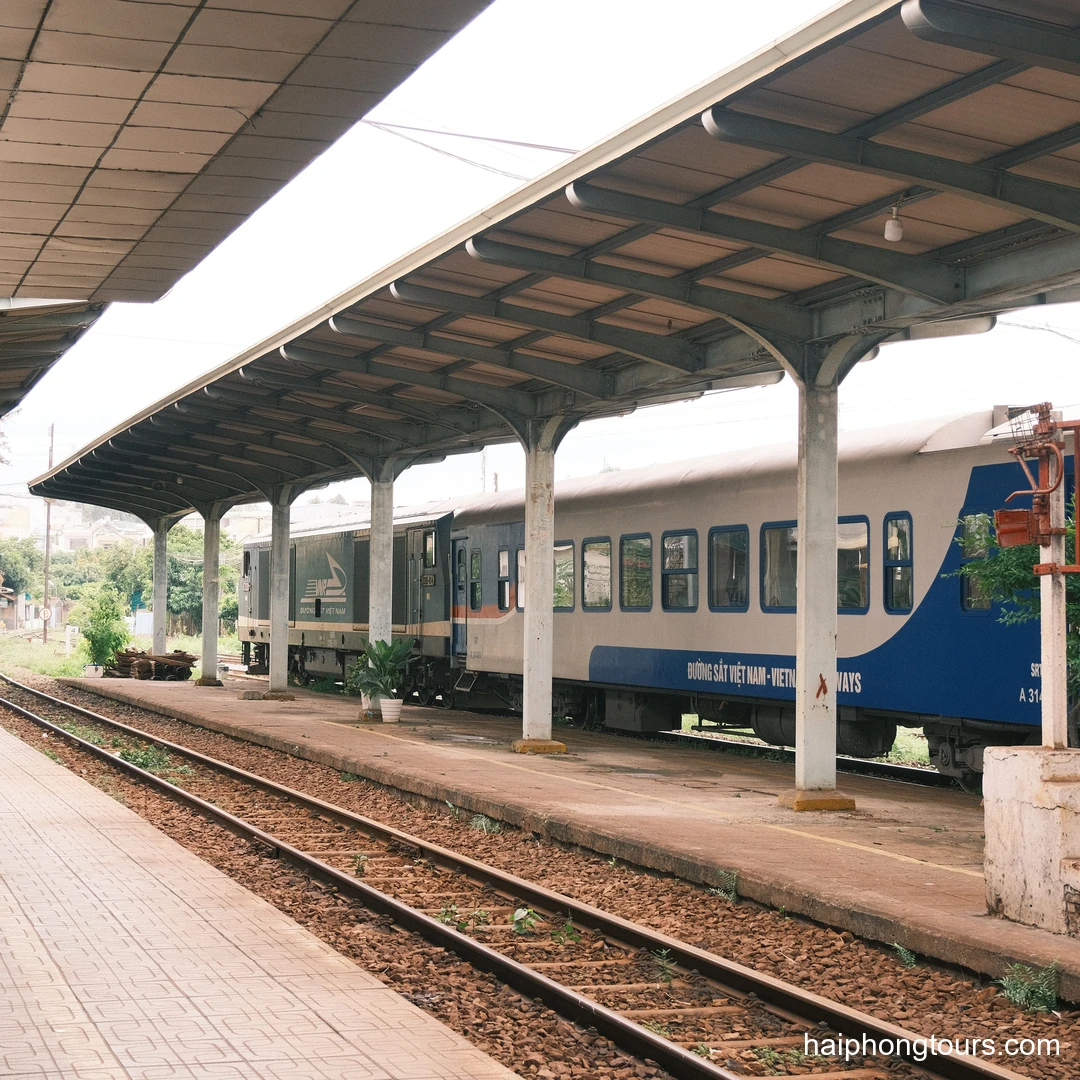
If you are continuing toward the border, tell the driver whether the market stop includes waiting and luggage storage. An onward transfer does not automatically allow an open-ended shopping visit.

What to buy without making the trip about bargains
For most international visitors, a small useful purchase is more satisfying than filling a suitcase. Choose an item you can examine properly: a piece of everyday clothing, an identifiable packaged local food or a household object you actually want.
Ask who made a craft item and where it was produced. Similar-looking textiles or ornaments can come from very different supply chains. A respectful conversation, perhaps with help from a guide, tells you more than a generic “ethnic souvenir” label.
For packaged food, inspect ingredients, producer details and storage instructions. Strong-smelling or perishable products may be inconvenient on an overnight bus, and plant or animal products may be restricted at your next international border. Check the destination’s rules before buying, not while packing for the airport.
Avoid wildlife products, unidentified medicinal ingredients and goods that appear to be removed from a religious or historic site. Open display is not evidence that a purchase is lawful or appropriate to export.
Ordering food around a market day
Plan a seated meal rather than grazing constantly if you have allergies, dietary restrictions or an early onward departure. The separate Lang Son food guide explains local dishes such as sour pho and roast duck, with useful restaurant leads. This market route does not require you to try every specialty at once.
For a light start, choose a clearly priced single-serving dish. At a shared lunch, agree the number of people, approximate portions and whether rice is included. Ask about stock and sauces when requesting vegetarian food; removing visible meat is not enough to establish that a dish contains no animal ingredients.
Before an afternoon drive, allow time to eat and use a toilet rather than relying on an unspecified roadside stop. Carry drinking water and keep the driver’s agreed departure time realistic.
Two practical ways to organize the visit
A city morning without rushing
Have breakfast, visit Ky Lua and walk a manageable section of the surrounding streets. If shopping is a real interest, continue to Dong Kinh by a short arranged ride and have lunch afterward. If not, replace the second market with a cultural site from the Lang Son city and geopark guide.
On a traditional Ky Lua session day, make that the main morning activity. On another date, go with normal daily-trading expectations. The visit length is yours to choose; there is no need to remain for hours just because a guide lists a long suggested duration.
A Dong Dang half-day
Leave Lang Son with a confirmed return vehicle, visit the temple respectfully, then browse the market and have a meal if desired. Keep the afternoon flexible for the drive back or an already arranged onward journey. Do not combine all three markets with a mountain trip merely because they fit on one map.
Cash, photographs and easier access
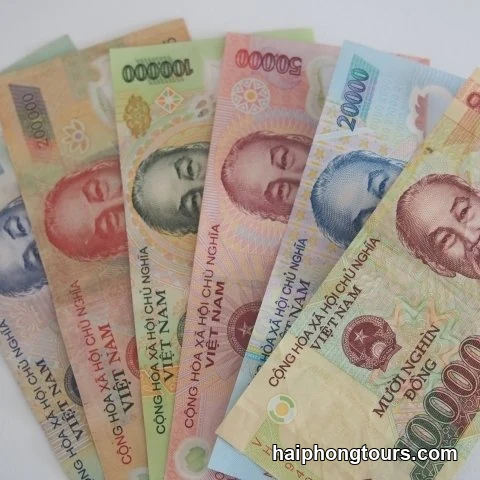
Carry small notes, keep the main wallet secure and count change before leaving the stall. Do not assume that every seller accepts a foreign card or a payment app available to your hotel. Photograph a price or product only with the seller’s agreement.
For limited mobility, ask about the entrance, aisle width, floor changes and toilet arrangement that you will actually use. A large market building is not automatically easy to navigate. Choose one compact ground-level section and a nearby pickup if stairs, crowds or standing are difficult.
Want a Lang Son stop that balances markets with food and scenery? Contact us with your dates, starting point and whether you prefer city browsing, Dong Dang or a longer rural itinerary. We can discuss a sensible route while keeping shopping time and transport expectations clear.