
Do not dispatch a car from Lao Cai Railway Station toward Lung Po until the responsible authority or local host has cleared the travelers, route and lawful endpoint. Lung Po flagpole, a checkpoint, border marker 92, a patrol road and the riverbank are not interchangeable. For an international traveler, written access guidance matters more than the choice between taxi and private car.
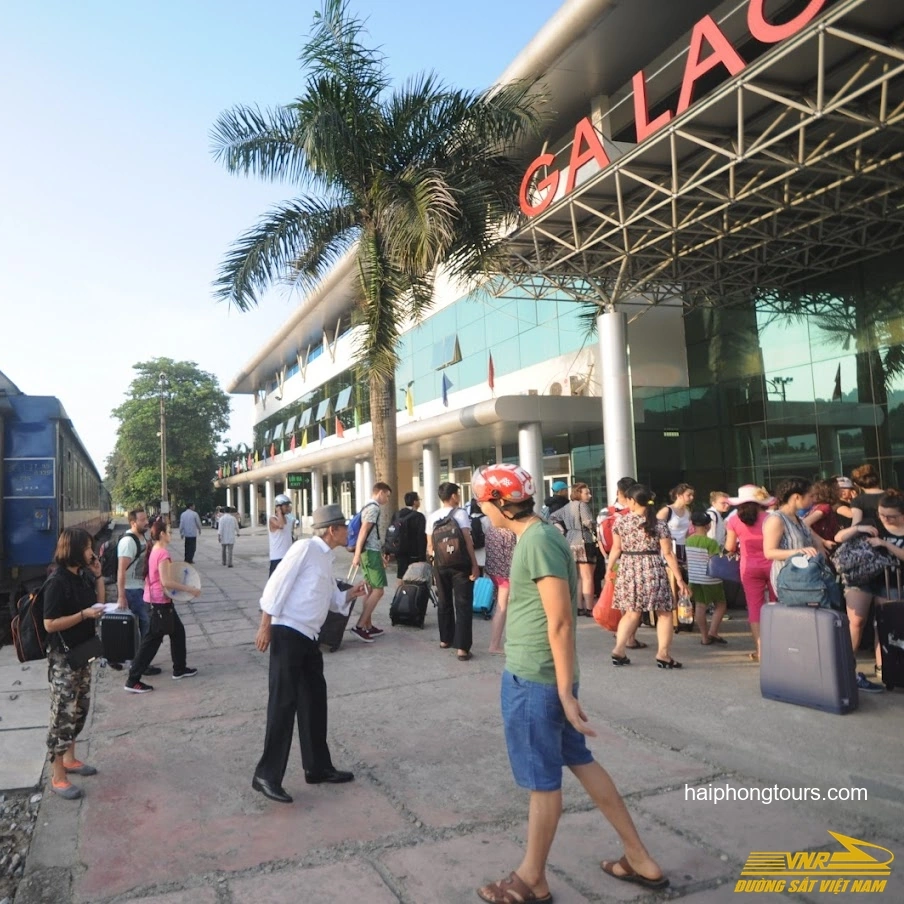
Once access is confirmed, an authority-aware prearranged vehicle is the practical option. A licensed taxi is suitable only when the driver accepts the exact approved endpoint and the required documents, guide or host arrangements are already settled. Paying for a car does not grant permission to enter a controlled border area.
Clear access before solving transport
Provide the responsible contact with each traveler’s nationality, passport details and any residence status or other document they request. Ask whether a permit, notice, registered host or guide is required for the planned date and route. Requirements can differ between domestic and foreign visitors, so another traveler’s visit is not evidence of eligibility.
Request the name of the lawful public reception or last staffed point. The public flagpole may be treated differently from a marker, patrol road or riverbank. Confirm photography and drone rules separately, and follow border-force instructions even when an old map or trip report shows another path.
If access cannot be confirmed, choose an unrestricted Lao Cai or Bat Xat plan before any vehicle is dispatched. A spontaneous taxi ride toward a checkpoint wastes time and can place the traveler and driver in an avoidable control situation.
Verify the railway handoff
The issued 2027 ticket must name Lao Cai as the arrival station and show the correct train and date. Current railway announcements provide only a pattern. Recheck the official journey record, carriage, luggage allowance, change terms and reporting requirement close to travel.
Use a passenger-ready time after scheduled arrival. Platform exit, toilets, baggage and finding the lawful pickup area take time. Send the train number to the provider, but agree in writing on how a delay affects waiting and whether the visit can still proceed.
The driver should receive the station side, approved Lung Po endpoint, authority or host contact and a rule against route changes without approval. Match the plate before loading and keep the booking record.
Why prearranging the road leg matters
A prearranged car creates a documented chain among the traveler, provider and responsible local contact. Confirm the legal provider name, driver and plate, vehicle class, passenger and luggage count, waiting terms, approved endpoint, return plan and procedure at a checkpoint.
A licensed taxi can still be appropriate when a host coordinates it and the traveler has no fixed return deadline. The driver must accept the full route and should not be asked to explore a marker or riverbank access that has not been cleared.
Public transport may reach a broader local area, but it does not remove the controlled final leg. Use it only if the current operator and responsible authority confirm the stop, documentation, luggage rule and lawful onward handoff.
Documents and luggage stay with the traveler
Carry the original passport and every document or notice required by the responsible authority. Keep them with medicine, phone, power bank, cash and the rail record in a personal bag. Copies help with coordination but may not replace originals when an authority asks to inspect them.
Declare all large cases and mobility devices before accepting the vehicle. Do not leave luggage at a marker, checkpoint or unstaffed roadside point. If a host accepts bags, record the named person, location and collection time.
Limited mobility requires a separate check of the approved final path. A road to the flagpole does not prove step-free access or permission to continue toward marker 92. Ask about surfaces, slopes, toilets, shelter and the closest lawful vehicle point.
Weather and border instructions control the final approach
Rain and fog can affect visibility and make a rough final path unsuitable. Reconfirm road and access conditions on the day. If staff stop the vehicle at a checkpoint or reception, that point becomes the endpoint unless the responsible authority directs otherwise.
A driver should not enter a patrol road, riverbank track or closed route to preserve an itinerary. Keep enough time for document checks and an orderly return. The visit may need to end before the viewpoint if conditions or instructions change.
Two failure points and the safer alternative
Plan B: If the responsible authority cannot confirm access for the travelers’ nationalities and route, cancel the dispatch. Use an unrestricted Lao Cai or Bat Xat itinerary and verify another date through a responsible local contact.
Plan B: If rain, fog or a closure affects the flagpole or marker approach, stop at the last lawful staffed point. Follow border-force instructions and return without entering a patrol road or riverbank trail.
Decide whether the trip is still worthwhile
A prearranged car is worth considering for an international traveler, a group, poor weather, luggage, reduced mobility or a host-coordinated visit. It is usually not worth dispatching any vehicle for a spontaneous same-day attempt without written access confirmation.

Hai Phong Tours does not claim this station-to-border-area journey as an HPT product. The useful branded advice is conservative: permission, lawful endpoint and responsible contact come first; the car is chosen only after those controls are clear.
- Nationality, passport and any required residence or permission documents.
- Authority-approved endpoint, host or guide and current access instruction.
- Issued Lao Cai ticket and passenger-ready station pickup.
- Legal provider, driver, plate, vehicle and return arrangement.
- Weather, road status, photography rule and lawful final path.
- An unrestricted alternative if access is not confirmed.
Would a private transfer make this journey easier? Contact us with your travel date, exact pickup and drop-off, number of travelers and bags. Include any flight, train or cruise deadline so we can assess a suitable plan and quotation.
