
A northern Vietnam road trip needs both a documented digital-payment plan and a modest cash reserve. Use cards or authorized online channels for traceable advance bookings, then keep enough separated cash for legitimate small road expenses and one safe fallback.

Do not solve uncertainty by carrying a large sum or paying whichever account appears in a message. Hai Phong Tours recommends a supplier ledger, two-step verification for changed payment details and one trip lead who keeps every receipt.
Make a supplier and payment ledger
Create one line for each hotel, vehicle, ticket, cruise or activity. Record the legal or trading name shown on the booking, service and date, currency, quoted total, deposit, balance, due date, accepted channel, cancellation terms and receipt.
Keep the booking reference beside the payment record. A bank transaction alone may not show which route, room or passenger it purchased. Save the final confirmation offline before entering a rural area.
- Supplier and booking contact.
- Exact service, direction, date and passenger names.
- Currency and total price.
- Deposit, balance and payment deadline.
- Authorized card, transfer or cash channel.
- Change, cancellation and refund terms.
- Receipt, confirmation and unresolved amount.
Verify changed payment details twice
If an account, QR code or payment link changes, stop. Compare it with the supplier’s official site or original confirmation, then contact the business through a second known channel. Do not verify a suspicious message by replying only to the same sender.
Ask the supplier to restate the booking reference and service. A request that creates urgency, changes the beneficiary or asks for card details in chat needs independent verification.
Use cards where the record matters
A card or authorized online gateway can create a clearer record for a major booking. Check the charged currency, any displayed fee and the name that will appear on the statement before approving.
Keep a second usable card separately from the first. Tell the issuer about travel if required, know how to freeze the card and keep the support contact offline. Never let an unknown person take the card out of sight or photograph both sides.
Carry a bounded cash reserve
Cash may be useful for a genuine small local expense, rural service, card outage or safe last mile. The amount should be based on the next exposed section and the nearest verified place to replenish it, not a universal daily figure.
Split the reserve between two secure places and keep only a small working amount accessible. Do not display the full sum when paying. Reconcile cash each evening against real expenses.
Plan ATM use before the remote leg
Identify a staffed town, airport or other current verified ATM location before leaving a city. Do not assume a map listing proves that a machine is operating, accepts the card or has the required cash.
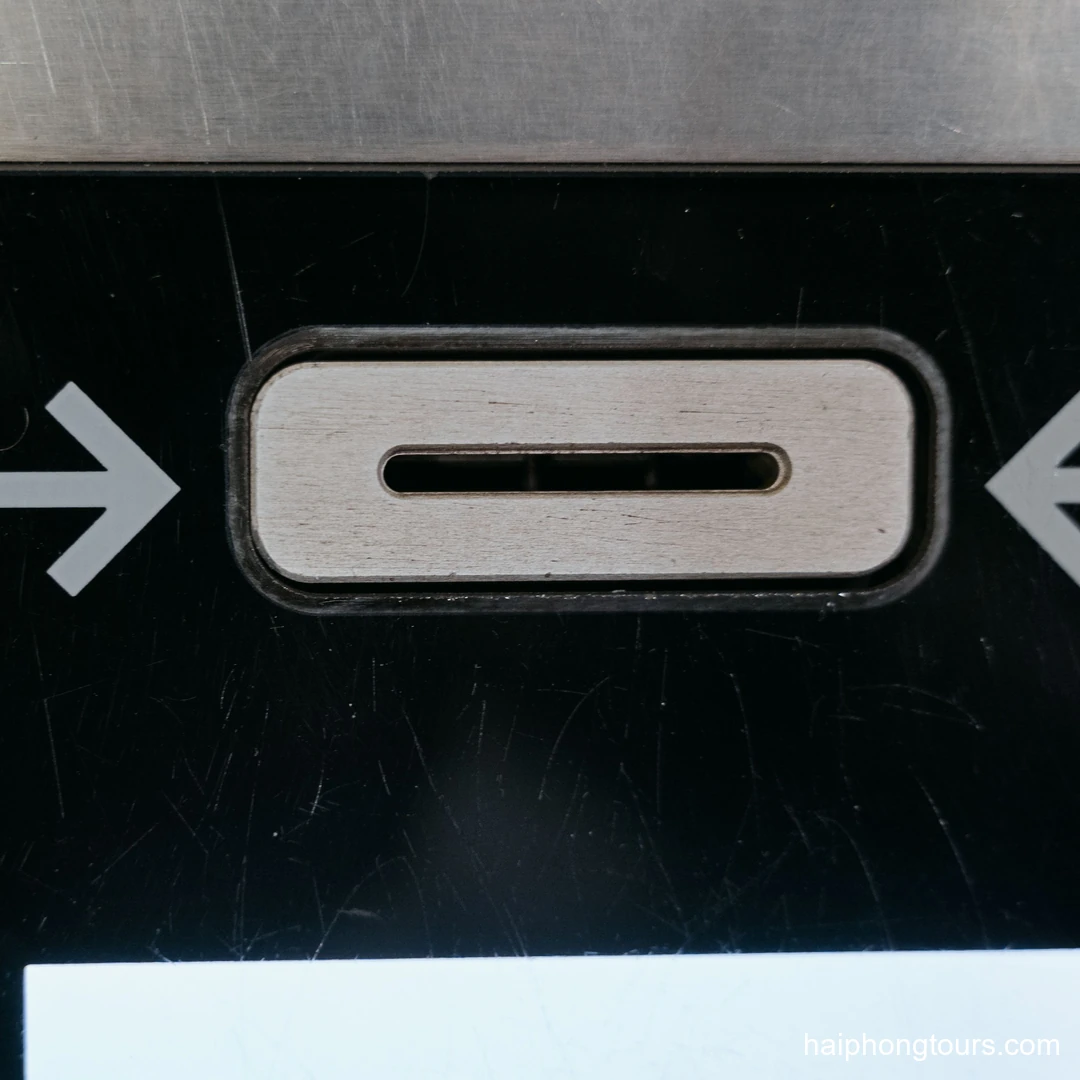
Use a well-lit, legitimate machine and shield the keypad. Inspect the slot, decline help from strangers and keep the receipt when useful. If the machine retains the card or the account shows an unexplained withdrawal, freeze the card and contact the issuer.
Match payment timing to trip risk
Pay according to the written booking terms. A deposit can preserve flexibility when the balance is due after a final reconfirmation; full advance payment may be appropriate only through the supplier’s authorized process with clear terms.
Before a mountain road, crossing or weather-sensitive activity, check the current operating decision and change rule. Payment does not guarantee that a service can run through an authority restriction.
Give one traveler control of approvals
The trip lead should approve payments, maintain the ledger and share a read-only copy with another traveler. This prevents two people paying the same balance or accepting conflicting route changes.
Use an agreed phrase or call-back rule for urgent requests within the group. If a phone is lost, the travelers should know which bookings are paid and how to reach suppliers without exposing card details.
Separate payment from pickup verification
A paid transfer still needs the driver name, plate, exact meeting point, vehicle and destination. Do not enter an unverified car merely because the driver knows a passenger name. Match the details provided by the booking contact.

When cash balance is due to a legitimate driver or local office, ask the provider to state the amount and receipt process in advance. Do not negotiate a different route or major fee only at roadside.
Keep refund evidence complete
When a service changes or cancels, preserve the supplier notice, original terms, payment receipt and written remedy. Record whether the outcome is refund, credit, date change or replacement service and when it should appear.
Do not count an expected refund as available contingency money. Keep the trip reserve independent until the funds are actually returned.
Respond to common payment failures
The card is declined
Do not retry repeatedly across unknown links. Confirm the amount and currency, contact the issuer through a trusted channel and use the separate backup only after the supplier and payment page are verified.
A supplier asks for a new account
Pause the payment and perform the second-channel check. If the supplier cannot verify the beneficiary and booking in writing, keep the original arrangement or choose another documented provider.
An unexpected cash fee appears
Request an itemized explanation and compare it with the confirmation. Pay through an authorized channel with a receipt. Protect the travelers at a staffed place while a dispute is resolved; do not surrender passports as security.
The phone or wallet is lost
Freeze affected cards, contact the issuer and use the offline ledger from the second traveler. Report the loss through the appropriate local process when needed. Keep medicine, passport copies and emergency contacts separate from the wallet.
Use each supplier’s terms only for its booking
HPT payment and cancellation terms apply only to an HPT service. A hotel, airline, railway, cruise or outside driver controls its own booking. Keep separate records rather than assuming one provider will recover another provider’s charge.
Pay so the trip remains recoverable
A sound plan can show what was bought, who received the money, what remains due and how one safe reset will be funded. Traceable payments, modest cash and disciplined verification matter more than choosing card or cash for every transaction.
Would you like help fitting this experience into your trip? Contact us with your travel dates, starting point, available time and group size. Tell us about walking limits or special interests so we can suggest a practical itinerary.