
Put the route, pins, local times, approved stops, passenger and bag needs, payment status and official support contact on one simple Vietnamese-English card before pickup. Use the booking issuer for major changes. A private driver is not automatically an English-speaking guide or travel planner.

The card should help both sides complete the agreed transport without a long conversation. Test it with another traveler before pickup. It is most useful when it combines short words with exact pins, numbers and one visible landmark at each end.
Keep the card to one operational page
Write the booking reference, passenger name, local date, 24-hour time, pickup entrance and destination entrance. Add approved stops, the latest arrival cutoff, passenger and bag count, child seat or mobility note, payment status and the phone numbers for the provider and receiving hotel, port or airport.
Use a map pin and written place name together. A pin may land at a back gate, while a translated name may match several branches. One landmark and the receiving party’s phone help the driver confirm the correct entrance before unloading.

- booking reference and passenger name;
- date, 24-hour time and exact pickup entrance;
- destination pin, written name and visible landmark;
- approved stops and latest arrival;
- people, bags, child seats and mobility equipment;
- payment status, support and reception contacts.
Use short language and confirm the next action
Avoid idioms, jokes and long machine-translated paragraphs. Use direct operational phrases and numbers. Instead of asking only “OK?”, point to the next step and ask the driver or traveler to show the matching pin, time or stop.
Translation apps can help, but they can fail offline or distort a complicated change. Keep the card on paper and as screenshots on two devices. The exact pins and official phone should still allow a staffed hotel or terminal to help when an app stops working.
Keep guiding and major changes out of the car
Do not expect the driver to provide attraction commentary, buy tickets, manage border procedures, plan a day or act as a porter. Arrange a licensed guide or appropriate assistance separately when the traveler needs interpretation or an escorted activity.
The card should contain only stops approved in the booking. Send a detour, extra pickup or major time change through official support so the route, driver hours, parking and price are updated in writing. Arguing about a new request while the vehicle is moving creates unnecessary risk.
Hai Phong Tours uses written confirmation to keep the driver and traveler on the same plan. That does not mean every driver speaks English. It means the booking issuer should be available for a change that cannot be solved with the one-page card.
Show payment without exposing private data
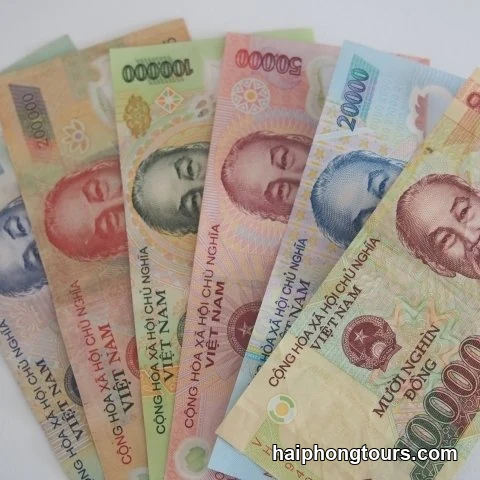
Mark the trip prepaid, balance due or cash approved, including currency and receipt expectation. Do not display a full card number or payment credentials. The Hai Phong Tours payment page explains that cash collection depends on the sales arrangement, so a route card should never authorize an unknown recipient.
Keep passport numbers and detailed medical history off the driver-facing page unless a secure official process genuinely requires them. Include only the assistance note needed to complete the ride safely.
Adapt the card for access and groups
A traveler who uses text, sign language, lip reading or another method should state the preferred channel. The Deaf and hard-of-hearing travel guide covers the broader accessibility plan; a language card does not replace it.
For a group, list child restraints, responsible adults, mobility devices and which vehicle each person uses. A language mismatch must not result in a child seat being removed, a wheelchair left behind or two cars leaving with different destination pins.
Make the card easy to scan in a parked vehicle
Use a large heading for pickup, destination and the next approved stop. Keep phone numbers and payment status in separate boxes or short lines. Avoid decorative maps that hide the pin. The driver should be able to confirm the next action while parked without reading a dense travel essay.
Put Vietnamese and English beside each other for essential phrases, but keep proper names unchanged. Hotel, terminal and village names can be confused by loose translation. A screenshot of the official property listing or booking confirmation can support the written name.
Use the receiving party as a bridge
When a rural lodge or busy terminal entrance is hard to explain, ask the receiving party to confirm the vehicle approach in advance. Add that person’s name, role and phone to the card. The driver can call from a safe parked position if the final entrance remains unclear.
This does not make the hotel responsible for the transport booking. It simply gives both sides a known local contact for the last few minutes, when a wrong gate or similar property name is most likely to cause trouble.
Pause safely when the card is no longer enough
If the driver follows the wrong pin, disputes a stop or payment, cannot reach reception or receives a request beyond the card, pause at a safe staffed place. Contact official booking support and update the instruction in writing.
Use hotel, terminal or official staff for a breakdown, medical problem, unsafe stop or lost passenger. Do not rely on an app to negotiate urgent technical or medical instructions. A small card is excellent for an agreed route, but the safest answer to a major change is a verified human contact.
Would you like help fitting this experience into your trip? Contact us with your travel dates, starting point, available time and group size. Tell us about walking limits or special interests so we can suggest a practical itinerary.