
For Pu Luong with large luggage, send bag dimensions and the exact pickup and lodge pins before booking. Confirm whether the main vehicle reaches reception or requires a smaller final vehicle, then verify storage and collection in writing before any walk or village visit.
Hai Phong Tours recommends solving cargo fit and road access together. A car that fits passengers on the main road may not fit the bags or reach a narrow, rough or rain-affected lodge approach.
Inventory every item
List suitcases, backpacks, strollers, mobility aids and oversized items with approximate dimensions. Send photographs when useful and obtain written confirmation for the assigned vehicle’s cargo space.
Map the final handoff
- Where does the main vehicle stop?
- Is a smaller vehicle required?
- Who moves each heavy bag?
- Are stairs, steep slopes or unpaved paths involved?
Use verified storage
Ask who accepts the bags, what evidence is issued, where they are kept and the final collection time. Keep passports, medicine, electronics and essential valuables with the traveler.
Build a no-backtracking village plan
Walk only after the bags are secure, use a compact route and finish near the agreed pickup. Reconfirm the departure vehicle and collection deadline before leaving reception.
Keep a rain fallback
Current local routing can change after road damage or repairs. If the final lane becomes unsuitable, use the property-approved handoff point or delay the move; do not improvise an unfamiliar route with heavy bags.
Decide whether the suitcase should reach the lodge
Not every large case needs to travel through every village stop. If the trip returns to the same vehicle-reachable base, consider leaving the main suitcase under documented custody and carrying an overnight bag. If the itinerary ends elsewhere, every bag must fit the through vehicle and every property approach.
Confirm the route before accepting storage. A receipt at the first lodge is useless when the onward transfer does not return there. Match the custody plan to the actual exit direction.
Run a real cargo test
Send the number and approximate dimensions of hard-shell cases, cabin bags, backpacks, strollers, wheelchairs and sports equipment. Ask for confirmation after every passenger seat is assigned. A nominal vehicle category does not prove that the cargo area is usable for the declared load.
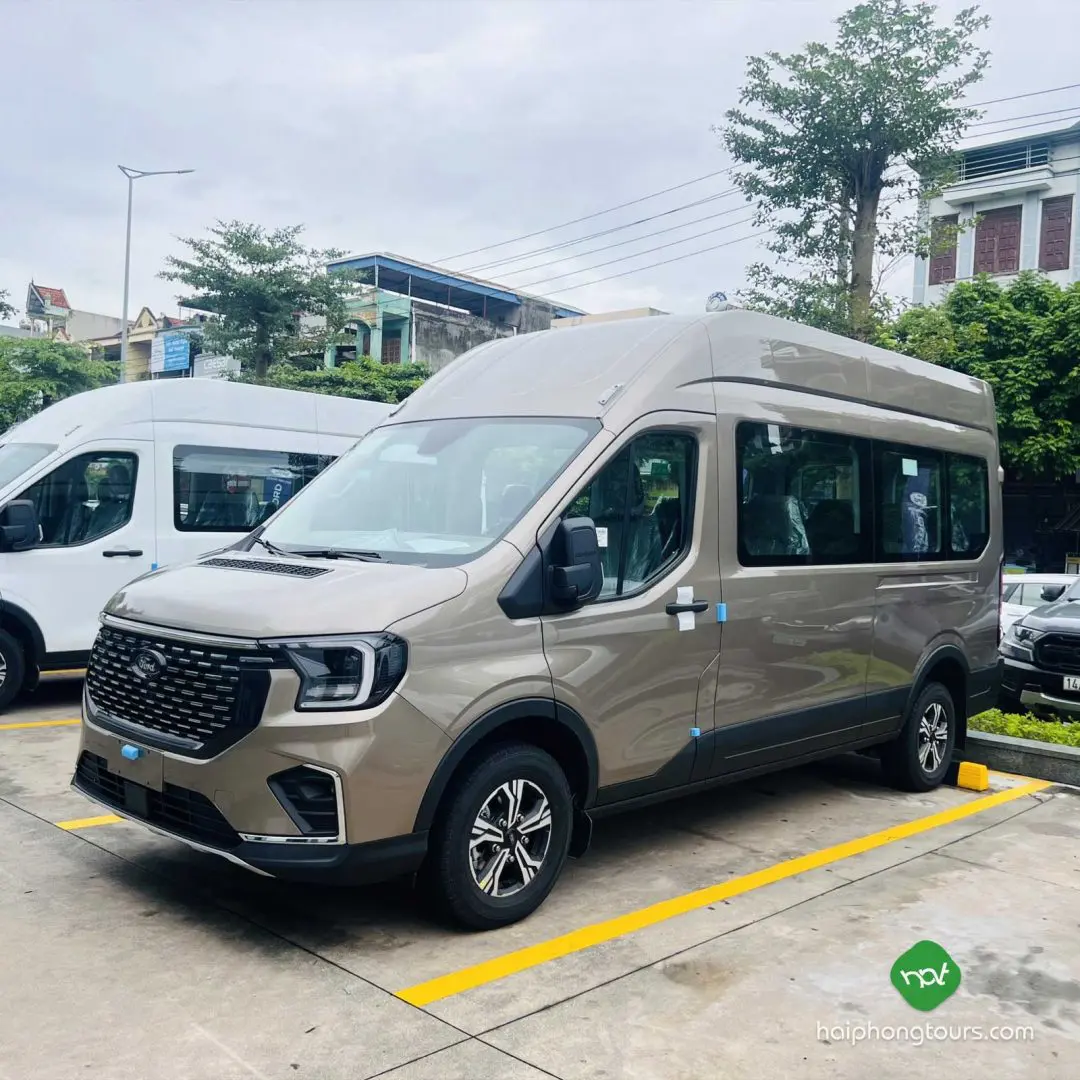
Do not accept loose bags in a passenger aisle or unsecured on an exposed rack. Ask how luggage is protected from rain and who is responsible when a smaller last-mile vehicle is introduced.
Map the carry before arrival
Ask the property for the distance from the vehicle stop to reception, the surface, stairs, slope and whether staff assistance is available. “Car access” may still mean a roadside drop followed by a carry. Travelers with limited mobility, children or several heavy cases need a different choice when the final path cannot support them.
If porter help is offered, confirm the meeting point, expected availability and how bags are identified. Do not make essential medicine or documents dependent on a promised porter.
Use written storage evidence
Record the provider name, bag count, visible condition, storage location, collection cutoff and after-hours process. Photograph the tags and keep the confirmation offline. A casual promise at reception does not establish who can release the bags to a different driver later.
Build the village day around collection
Use a compact walk or vehicle loop that ends near the stored luggage and final pickup. Allow time to change wet clothing, identify every item and load the correct vehicle. Do not cross the valley for a final viewpoint when it creates a rushed backtrack to reception.
Use a rain and road fallback
After heavy rain, ask the property and driver whether the final surface remains suitable for the assigned vehicle. Use the agreed main-road handoff or extend the storage when the lane is not usable. Never shift heavy cases to an unknown motorbike or informal vehicle just to preserve check-in time.
Control a two-vehicle handoff
If the intercity car cannot use the village lane, identify the smaller vehicle and both drivers before travel. Choose a staffed or sheltered meeting point, agree who pays the second vehicle and keep the first driver present until every numbered bag is accepted. Photograph the cases before unloading and recount them after loading.

Do not leave luggage beside DT.521B or an unstaffed village turn while someone looks for the lodge. If the second vehicle is absent, the lane is unsuitable or the property cannot receive the bags, remain with the main vehicle at a staffed point and contact the booking lead. Record damage or a missing item before any driver leaves.
Ask about the complete room path
Vehicle access to reception does not prove access to the room. Ask about the distance from drop-off, paving, steps, slope, porter availability, a lift or ground-floor room and early bag drop. Rain can make dirt approaches slippery and can change which vehicle reaches the property. Keep passports, medicine, electronics and cash out of stored cases.
For a return itinerary, verified city or hotel storage can reduce the load only when the route returns before collection. A non-return route needs a vehicle that carries everything through. Exact Hanoi–Pu Luong or reverse transfer products may fit the intercity leg after both pins, passenger count and cargo are verified; they do not promise local porter service or storage.

Final luggage rule
The correct Pu Luong plan solves three questions before payment: which vehicle carries the load, which entrance it can reach and who controls every bag when the traveler walks away. Hai Phong Tours recommends changing the bag plan or the lodge when any one of those answers remains vague.
Would you like help fitting this experience into your trip? Contact us with your travel dates, starting point, available time and group size. Tell us about walking limits or special interests so we can suggest a practical itinerary.