
Independent tickets are unprotected unless the written terms say otherwise. Buy them only when the connection has enough time for public-side exit, luggage, travel between hubs and the second check-in. An overnight base can also make the risk acceptable.
A booking platform showing one itinerary does not prove through protection when it issues separate references or suppliers. Hai Phong Tours recommends testing one normal delay before accepting a cheaper chain.
Write the complete connection chain
- First ticket’s scheduled arrival.
- Realistic passenger-ready time after the platform, baggage or immigration.
- Exact arrival station, terminal, port or roadside stop.
- Vehicle meeting and travel to the next facility.
- Second supplier’s check-in cutoff, not departure alone.
- Luggage acceptance and the path to the platform, gate or vessel.
- Last lawful alternative and a confirmed safe hotel.
Use issued tickets and current operator information. Scheduled arrival is not the handoff time. Add the work that happens between suppliers, including bag collection, walking, loading, traffic and entry.
Identify whether the booking is actually protected
Check the confirmation numbers, contracting suppliers and written change terms. Ask what happens if the first leg delays the second. If no document states that the later service will move, rebook or refund, treat the legs as separate.
Save both confirmations, contacts, cancellation rules and payment receipts. Keep delay notices. Do not rely on a chat message that says “connection” without naming liability and the recovery process.
Check whether a platform or agent collected one payment but issued separate contracts. One checkout screen is not the same as one protected ticket. The useful evidence is the written promise describing who changes the onward leg after disruption.
Apply the worksheet to different hubs
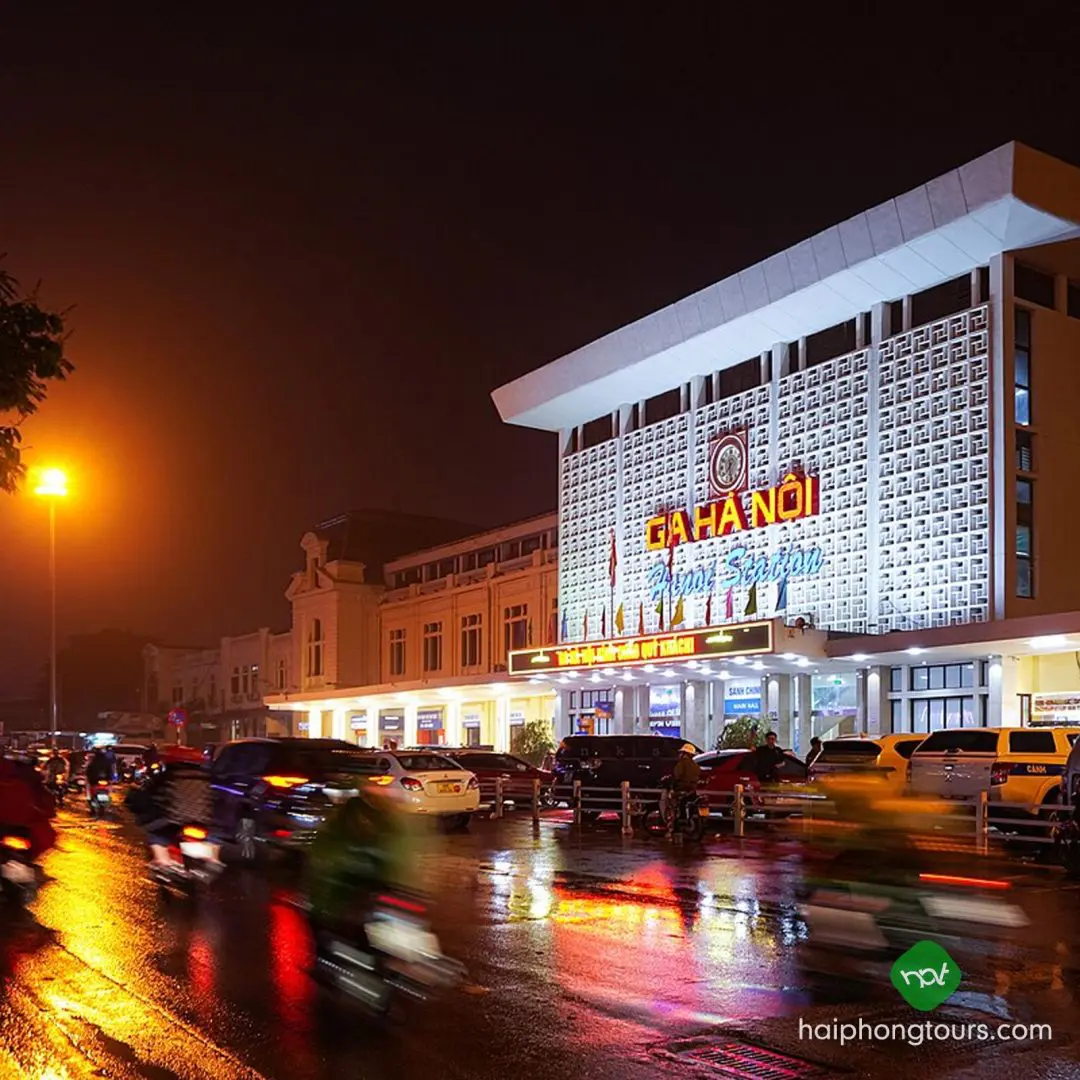
Hanoi Railway Station to Gia Lam or Long Bien
These are different stations. Add the public exit, road vehicle, city traffic, unloading and new station entry. “Hanoi” on both tickets does not create a same-platform interchange.
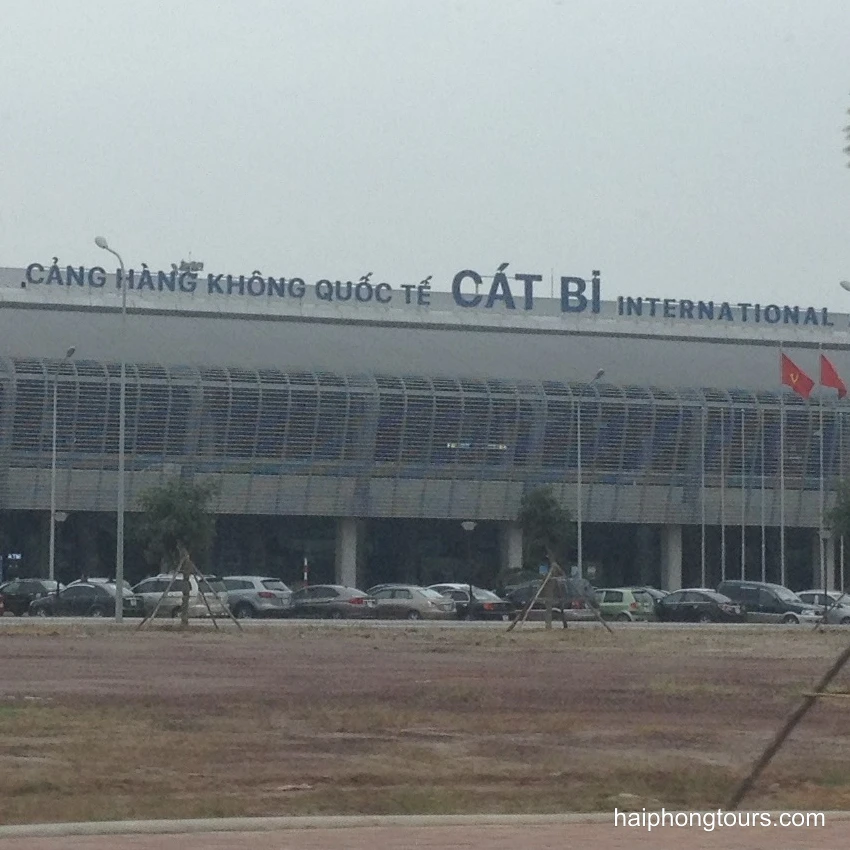
Cat Bi flight to a Hai Phong train
Calculate from baggage-ready time at Cat Bi, then add the driver meeting and road to 75 Lương Khánh Thiện. A missing-bag report can consume the train margin. Direct road or a Hai Phong night is the fallback.
Noi Bai T1 or T2 to a Hanoi train
Use the airline terminal and the station printed on the rail ticket. T1 and T2 are separate, and “Hanoi station” may still be ambiguous. A central-city drop is not station entry.

Hai Phong train to a Cat Ba crossing
Confirm whether the ticket uses Bến Bính, a packaged city bus-and-boat chain or the Đồng Bài to Cái Viềng crossing. Rail delay, ferry schedule and sea restrictions are independent. Keep a Hai Phong mainland hotel as the safe stop.
Ha Long cruise exit to a Noi Bai flight
Docking is not passenger-ready time. Add disembarkation, port exit, driver meeting, road and correct terminal entry. An overnight reposition is the robust choice when one normal cruise delay would break the flight.
Control luggage between suppliers
Name who holds each bag at every stage and whether it must be collected and rechecked. Confirm size rules for the car, train, boat or bus. Keep passports, medicine, electronics and valuables accessible.
Give a road driver the exact public meeting point, passenger and bag count, plate process and waiting rule. A driver waiting at the wrong terminal or station can use the entire buffer.
Use a one-normal-delay rule
Ask what happens if the first leg experiences an ordinary late release, slow bag delivery, city traffic or a platform change. If the connection becomes impossible, use a protected through product where available, a direct road leg or an overnight base.
Do not create safety risk by relying on best-case driving or asking a driver to recover a lost cutoff. The buffer must exist before the trip starts.
Decide when an overnight is the cheaper protection
An overnight can remove the most fragile same-day handoff and turn the next service into a fresh departure. Compare the room, meals and one additional local transfer with the loss of a nonchangeable ticket, an emergency vehicle and a night booked after disruption.
Place the overnight near the next confirmed departure, not merely near the previous arrival. Confirm late check-in, luggage storage, breakfast timing and the morning route. A hotel is a real fallback only when the traveler can reach it safely after the last normal service.
Recover when the chain breaks
The first leg is late
Contact both issuers separately, preserve the delay evidence and ask about change terms. Recalculate from public-side readiness. Do not assume the second supplier has seen the first delay.
The second supplier refuses a change
Use the last lawful alternative or named hotel, then pursue the change or refund through the written terms. Do not send a second payment to an unverified agent simply to keep moving.
The traveler reaches the wrong hub
Stay at a staffed public point, confirm the facility and redirect the vehicle. If normal check-in margin is gone, stop. An unofficial boat or rushed road transfer is not a valid rescue.
A bag is delayed or refused
Complete the official report, keep the group together and abandon the connection when necessary. Time-critical medicine and documents should never be in checked or stored luggage.
Use HPT only for an exact replacement leg
An HPT transfer may replace a fragile station, airport or port handoff only when its exact direction and endpoints match. HPT terms apply to that HPT booking, not to outside air, rail or boat tickets.
Buy the chain only when the fallback is acceptable
The separate-ticket saving is real only when the transfer work, luggage, hotel risk and recovery still make sense. If the connection survives only in perfect conditions, it is not a resilient itinerary.
Before buying, write one sentence for the failure plan: “If the first leg is late, we will stay at this staffed place and use this next lawful service.” If that sentence cannot be completed with current evidence, the apparent saving is not ready to book.
Planning transport around this stay? Contact us with the property name, travel date, pickup and destination, plus the room or reception times your journey needs to fit.