
Visit Tống Duy Tân Food Street for a compact Hanoi meal and café stop, especially when you are on the western side of the Old Quarter. The East at 5B Tống Duy Tân offers a northern Vietnamese restaurant meal, while Puku at 16–18 Tống Duy Tân provides a broader café-and-food option. Go for lunch or early dinner if you want the widest choice; a street’s late-night reputation does not mean every kitchen serves all night.
The street works well when you want several possibilities within a short walk. It is a different outing from Tạ Hiện’s beer-focused social scene: decide whether you want a main meal, a snack or a long seated break, and choose the business accordingly.
Where the street fits in Hanoi
Tống Duy Tân is near Hàng Bông on the western side of central Hanoi. Save the address of your chosen restaurant rather than using a general “food street” map pin. The street itself is short enough to walk through before deciding where to eat, but nearby road crossings and traffic still require attention.
Its food-street identity is recognized by the city, which inaugurated an upgraded food-street scheme in January 2025. That does not create a single menu, ticket or operator. Each restaurant sets its own service times, prices and seating arrangements.

Choose between a restaurant meal and a café meal
| Place | Address | What it is useful for |
|---|---|---|
| The East | 5B Tống Duy Tân | Northern Vietnamese dishes in a seated restaurant; lunch and dinner reservations |
| Puku Café & Bar | 16–18 Tống Duy Tân | A broad menu with breakfast-style dishes, Vietnamese choices and café food |
| Specialist food shops along the street | Choose by the displayed dish and menu | A focused bowl or plate rather than a long restaurant meal |
The East: a northern Vietnamese meal
The East’s own reservation page gives 11 a.m.–2:30 p.m. and 5:30–10 p.m., seven days a week, for the 5B Tống Duy Tân branch. It also lists another business, The East Tonkin on Hàng Mắm, so specify the Tống Duy Tân location when booking.
The restaurant’s Michelin description highlights bún chả, crab spring rolls and Vietnamese flan. That gives a sensible starting order: a main dish, a shared starter if wanted, then dessert only if you still have room. Its air-conditioned setting and card acceptance may suit a group that wants a longer seated break.
Same-day reservations and groups larger than eight are directed by the operator to call. A booking request is not complete until the restaurant confirms it. For a larger party, say whether you need a shared menu, ordinary chairs or space for a stroller before arriving.
Puku: a broad menu for mixed preferences
Puku is at 16–18 Tống Duy Tân. Its published ordering menu includes breakfast dishes, pasta, burgers, sandwiches, Vietnamese food and vegetarian choices. That variety can be useful when one person wants a local dish and another wants a familiar meal.
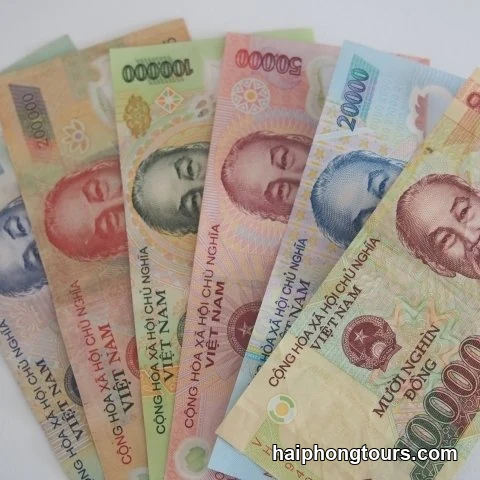
Examples on its online ordering menu include an English breakfast at 140,000 VND, bún chả at 110,000 VND and fried rice at 100,000 VND. These are online menu examples, so use the menu at your table for the final dine-in order. A delivery listing and a restaurant table do not necessarily have identical promotions or charges.
Choose Puku for the format and location rather than assuming every menu section is available at every hour. If you want a late meal, identify the kitchen’s available dishes before ordering drinks and settling in for a long stay.
Traditional dishes to recognize along the street
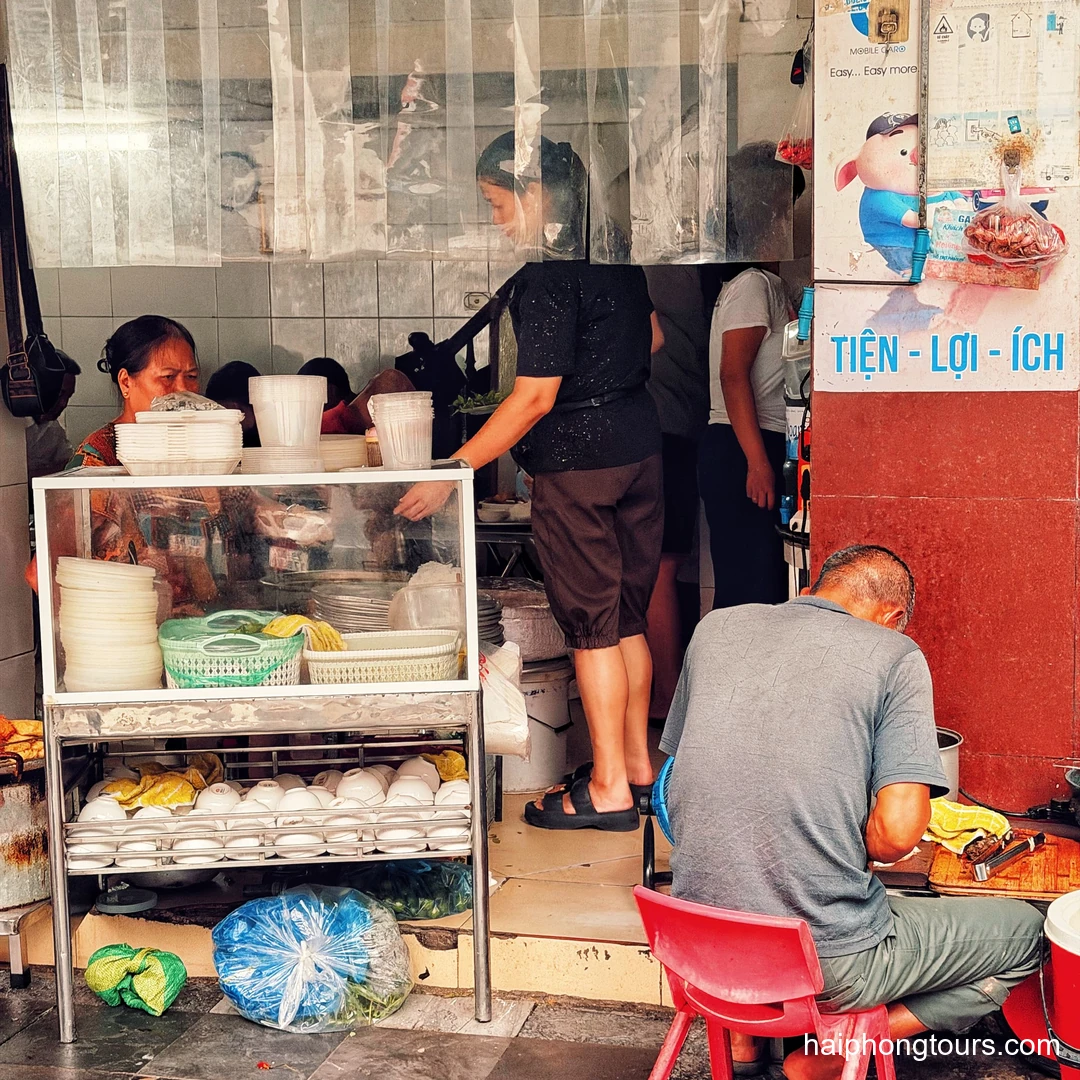
Hanoi’s own coverage of Tống Duy Tân identifies foods including bánh cuốn, gà tần, sticky rice, porridge, phở and bún đậu. The names describe different kinds of meal, so choose one that suits the moment rather than ordering several full portions.
- Bánh cuốn: thin steamed rice sheets, commonly with a savory filling and dipping sauce.
- Gà tần: a stewed chicken preparation, often chosen as a warming meal.
- Xôi: sticky rice with toppings; the toppings determine whether it is a light snack or a substantial meal.
- Cháo: rice porridge, with the protein and additions varying by shop.
- Bún đậu: rice vermicelli and fried tofu with accompaniments; the usual sauce and other toppings need attention for vegetarian diners.
Read the visible menu and ask what one portion includes. A tofu-based dish may come with pork, and a bowl that looks vegetable-heavy may use meat stock. For a specific food interest, the Hanoi street food guide connects the dish to a wider route.
When to visit
Lunch suits a break during central sightseeing. Arrive within the restaurant’s published lunch window rather than at the afternoon closing time. Early dinner gives you time to walk the street, eat and have a drink afterward without needing an all-night venue.
Late evening works best when you already know which business is serving the food you want. Do not use the street as a guaranteed overnight waiting room after checking out of a hotel. A café seat does not replace a room for luggage, rest or an early departure.
A relaxed dinner-and-café plan
- Arrive before dinner. Walk the short street and choose between a full restaurant meal and a simple specialist dish.
- Eat one main meal. For two people, share a starter if you want variety rather than adding two extra mains.
- Choose a seated drink afterward. Stay at the restaurant or move once to a café; there is no need to keep changing venues.
- Finish on a reachable road. Arrange your return from a pickup point that is open to vehicles.
If you have been walking all day, make the meal the final activity. For another evening, compare Tạ Hiện Beer Street or a lake-side route in the Hanoi at night guide.
Nearby railway streets
A restaurant visit here should stand on its own. Do not build the meal around an assumed opportunity to sit beside active railway tracks. Follow barriers and staff directions, and keep to public roads if railway-corridor access is restricted. The street remains a useful food destination without a track-side stop.
Would you like an unhurried meal included in a central Hanoi day? Contact Hai Phong Tours with your schedule and group needs so we can help fit Tống Duy Tân into a practical sightseeing route.