
Add the first car, actual rail tickets, station waiting and final car before calling the train cheaper. Rail often wins when both endpoints are simple and the timetable fits; one direct car can win for a group, bulky luggage, a rural endpoint or a fixed connection.
Compare the complete party journey in two columns. Hai Phong Tours recommends using the exact station and final entrance, because a city name hides the road edges that often decide the result.
Build the rail-plus-two-cars column
- Origin to the correct departure-station vehicle.
- Rail tickets for the actual date, train, seat and class.
- Station entry, platform margin and waiting.
- Luggage handling, food and mobility assistance.
- Arrival-station exit and driver meeting.
- Final vehicle to the real hotel, port or rural pin.
- Connection buffer and change or cancellation exposure.
Use current booking evidence rather than a remembered fare or timetable. Independently booked cars and rail are separate unless written terms say otherwise.
Build the direct-car column
Request the exact origin and destination pins, local date, passenger-ready time, passenger and bag count and required vehicle. Ask whether the quote includes tolls, parking, waiting, route, driver rest, tax, payment and changes.

For a rural hotel, confirm whether the assigned vehicle reaches reception. For an airport, station or port, name the terminal or gate. A quote to the general city is not comparable with a rail chain that ends at the actual property.
Compare the whole group, not mismatched units
Multiply rail tickets for every traveler and add both road edges. Compare that total with the whole suitable car. Include child seats and all luggage, but do not publish a universal break-even group size; routes, fares and vehicle capacity change.
A solo traveler with light luggage may find rail clearly cheaper. A family or group may narrow the difference after station cars are included. The correct answer belongs to the current party and route.
Name the exact station
Record the station name and address, train number, date, departure, ticket identity requirement and platform-ready margin. Hanoi, Gia Lam and Long Bien are not interchangeable, and a driver meeting at the wrong one can remove the savings.
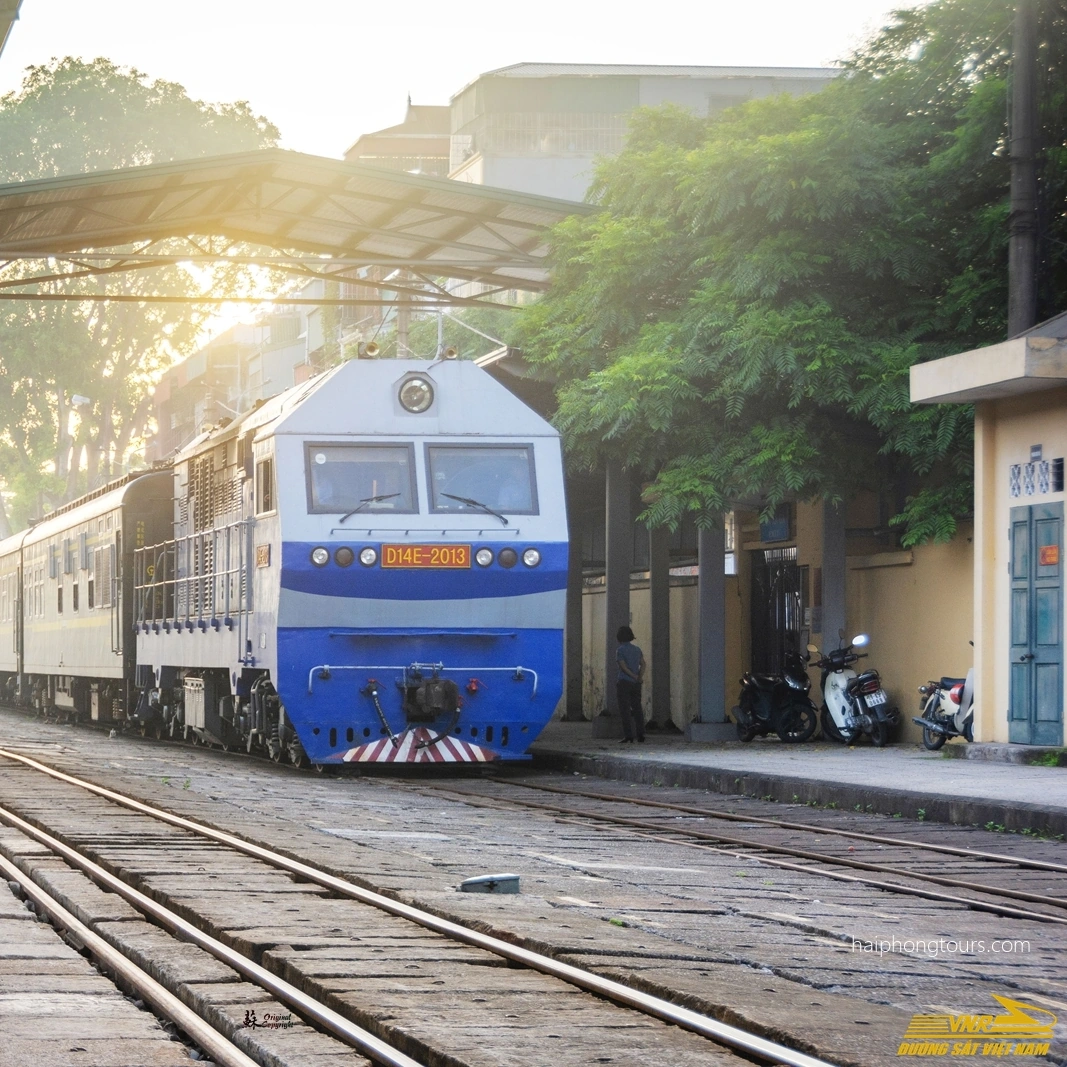
Share the ticket station with both road providers. At arrival, set one public meeting point and a plate-verification process. “Outside the station” is incomplete when the facility has several sides or exits.
Test luggage and mobility twice
Rail requires moving cases through station entry, platform access and arrival exit. Confirm station-specific assistance or access rather than promising a lift, porter or step-free route.
The final car may still need the same cargo space as a direct car. Count checked cases, cabin bags, stroller, wheelchair, sports gear and fragile items. Keep passports, medicine and valuables accessible.
Apply the method to common northern routes
Hanoi and Hai Phong city endpoints
Rail can be strong when both hotels are near suitable stations and the timetable fits. Add the correct Hanoi station, Hai Phong final mile and bag movement. A direct car becomes more competitive for door-to-door groups or awkward arrival times.
Hanoi and Ninh Binh or Tam Coc
The rail fare reaches a station, not every rural hotel or attraction area. Add the final vehicle and its waiting or entrance limits. A direct car can avoid the handoff, while rail can remain efficient for travelers whose accommodation fits the station.
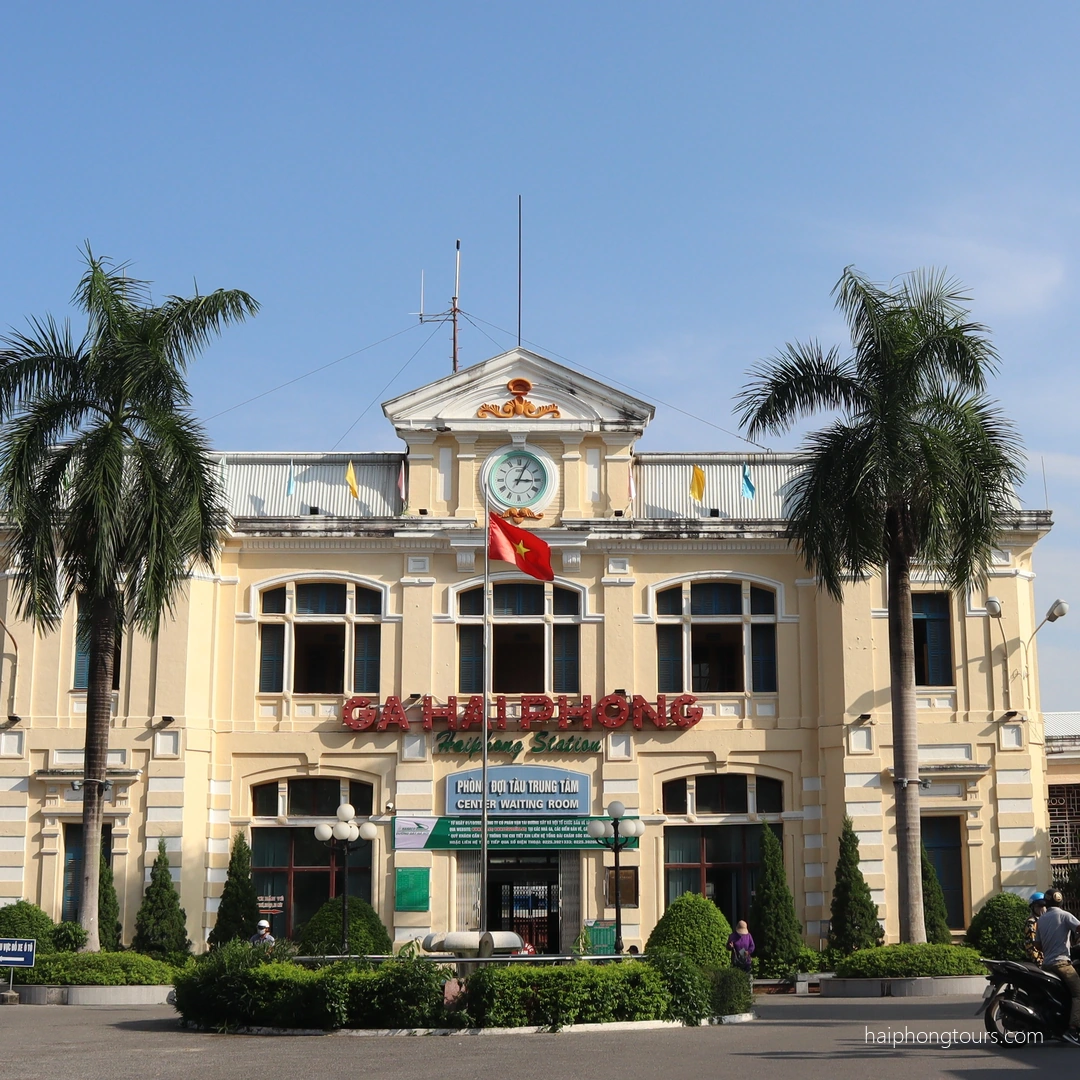
Cat Bi arrival, Hai Phong Station and Hanoi
Calculate from baggage-ready time, not flight landing. Add the airport meeting, road to the station, check-in margin and the Hanoi final mile. If one normal bag delay destroys the train, use direct road travel or a Hai Phong overnight.
Noi Bai to a Hanoi station and onward rail
Name T1 or T2 and the station printed on the ticket. Airport release, road traffic and station entry are separate stages. A direct car to the final destination can be more resilient when the rail connection is fragile.
Lao Cai Station to Sapa or a rural lodge
The train ends before the mountain final mile. Add the correct vehicle, luggage and property access. Compare the chain with a direct road option only after both quote the same final entrance and acceptable arrival time.
Use current schedule evidence
Check the live Vietnam Railways timetable or official booking channel for the travel date and train. Reference schedules can change. Save the issued ticket and support contact, then reconfirm road meetings around the actual train.
Do not build a tight independent connection from an estimated timetable. One normal road or rail delay should leave enough time for the next stage or a named safe fallback.
Compare usable time as well as money
Rail can offer predictable city-center travel and time away from the road, but station entry and two pickups add work. A direct car can remove transfers, yet a long road day still needs safe driver-rest and meal planning.
Show the timeline from hotel-ready time to settled arrival. A cheaper option that loses the intended activity, forces an extra room or leaves the traveler at an unstaffed endpoint has a higher total cost.
Recover when the chain breaks
The first car is late
Contact the driver and railway through their separate channels. Do not ask the driver to speed. If platform margin is gone, use the next lawful train, direct road option or named hotel according to the written terms.
The traveler reaches the wrong station
Remain at a staffed public point and confirm both facilities. Recalculate the road transfer and check-in cutoff. Stop when a safe connection is no longer possible.
The train changes or is delayed
Preserve the notice and update the final driver. Confirm waiting or rebooking costs before accepting. The road provider does not automatically owe a free change for the rail delay.
The final driver cannot find the exit
Use the written public meeting pin, driver plate and station landmark. Keep the party and bags together. Move only to a staffed alternative that both sides confirm.
Choose the simpler complete journey
Rail wins when the timetable, stations, luggage and last mile align without a fragile handoff. A direct car wins when door-to-door control removes meaningful risk or cost. The two-column ledger makes that decision visible without pretending one mode is always cheaper.
Would a private transfer make this journey easier? Contact us with your travel date, exact pickup and drop-off, number of travelers and bags. Include any flight, train or cruise deadline so we can assess a suitable plan and quotation.