
Quick answer: Match the free checked-baggage allowance to the exact international origin, destination, and direction. Use the issued ticket and current Vietnam Airlines tools, then count, weigh, and measure the actual pieces before departure.

The practical purpose of international route baggage allowance is to turn a general baggage table into a decision for one passenger and one flight. Free allowance, prepaid baggage, airport excess, physical acceptance, restricted items, and through-check arrangements are separate checks.
Start with the exact ticket
Vietnam Airlines publishes different international allowances by route group, cabin, direction, ticket issue date, and sometimes aircraft. There is no single international allowance for every trip.
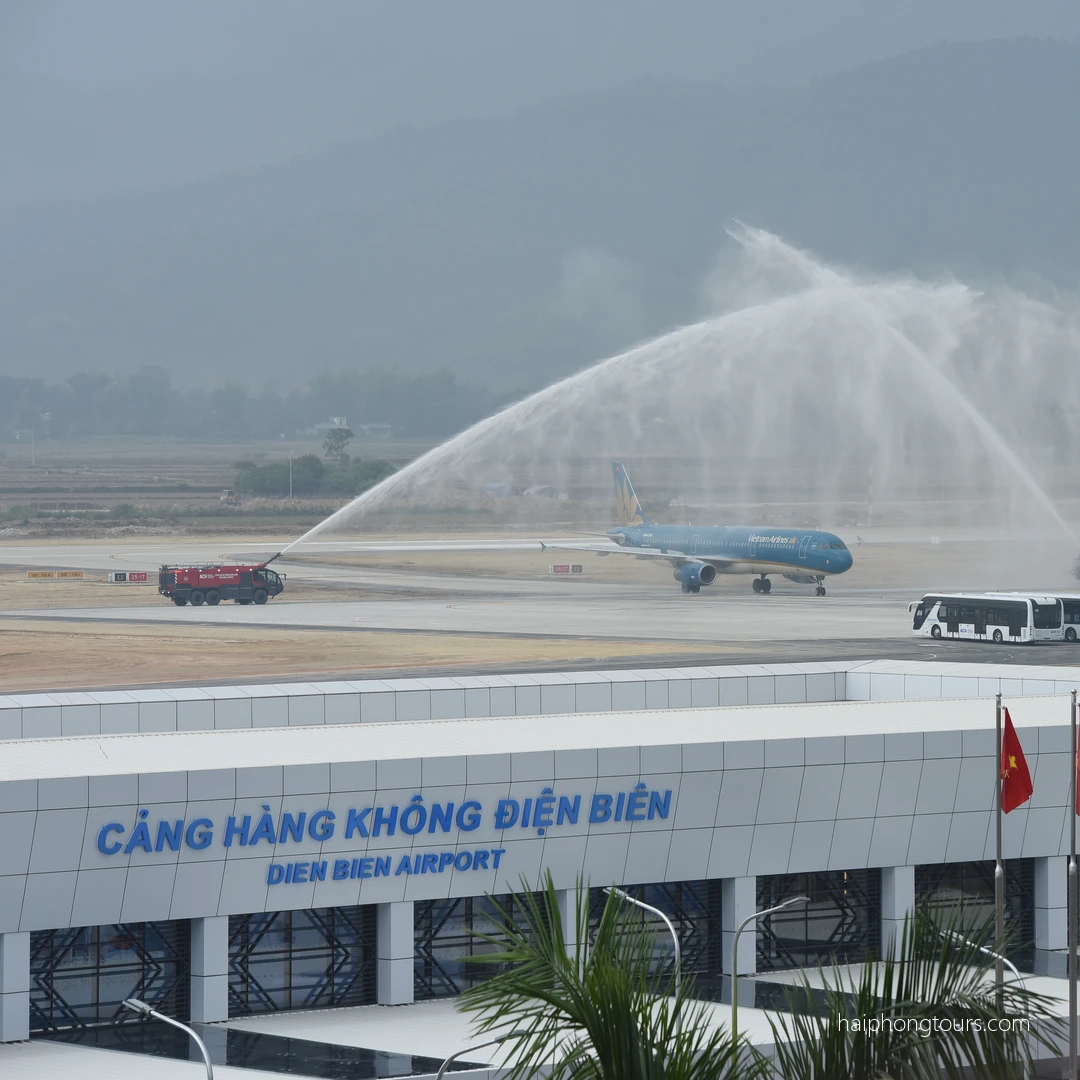
Match both endpoints, direction, connection pattern, cabin, operating carrier, issue or reissue date, and aircraft note before copying the number of pieces. Hai Phong Tours treats international route baggage allowance as a measured packing decision, not an estimate based on another passenger’s trip.
Plan around physical acceptance at check-in. Pack so the case closes securely, protect contents, remove old routing tags, attach identification, and keep restricted or valuable items in their proper place. Prepayment can settle a service charge, but staff still inspect the actual bag against safety, weight, size, and operating limits.
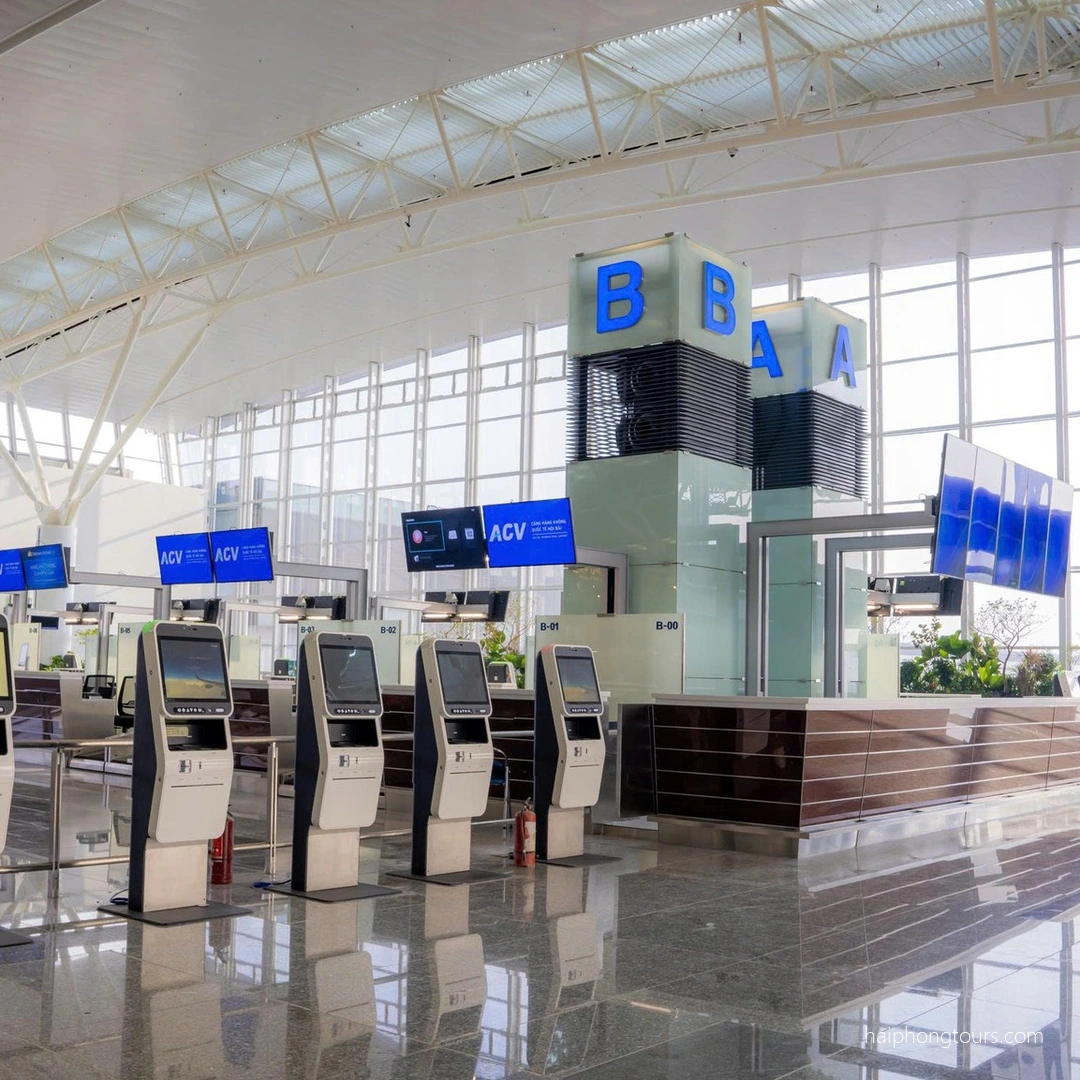
Count, weigh, and measure every piece
Current tables distinguish routes such as Southeast Asia, China or Korea, Europe or Australia, Japan, Russia, the Americas, and other itineraries. That is why an allowance copied from a friend, old ticket, search snippet, or different direction is not sufficient.
Prepare before the airport
Keep the current itinerary, ticketed allowance, and any prepaid or excess-baggage service confirmation available offline for international route baggage allowance. A card authorization or cart page is not the same as an issued service. Match the passenger and flight segment on every record and recheck it after a schedule or ticket change.
Pack a margin below the applicable weight and size boundary for international route baggage allowance. Home and airport scales can differ, and a last-minute coat, gift, or protective wrap adds weight or dimensions. Use strong closures, remove obsolete tags, label every resulting piece, and keep essential medicines, travel documents, money, electronics, and valuables in permitted cabin baggage.
- Read the free allowance from the exact issued ticket.
- Identify the operating carrier for every flight segment.
- Count, weigh, and measure each packed piece separately.
- Confirm prepaid eligibility and deadlines before paying.
- Retain the service record and baggage tag offline.
- Prepare a repacking or airport-excess fallback.
Create a baggage decision record
Ask another traveler to compare the international route baggage allowance record with the physical bags before departure. A second check can catch a swapped label, missing service confirmation, wrong segment, overlooked wheel, or item added after weighing. This is a packing check rather than an airline decision; if the ticket and official tool still conflict, the responsible carrier must resolve the rule.
Compare the available action routes
If the plan for international route baggage allowance exceeds the free allowance but remains eligible for prepaid baggage, compare the current cost and conditions early. If prepaid baggage is ineligible, unavailable, or insufficient, check the airport excess route. A piece outside ordinary outer limits may need advance agreement, repacking, special-baggage handling, or cargo instead of another ordinary fee.
Do not optimize international route baggage allowance by price alone. Consider whether the bag is standard, overweight, oversized, fragile, restricted, or difficult to divide; whether another carrier accepts it; and whether the traveler can safely move the final pieces. Keep enough airport time for inspection, payment, relabelling, and repacking.
Avoid the common assumption
Do not use the outbound allowance for the return or an old Japan table after a ticket has been reissued under a later effective date. For international route baggage allowance, payment, a booking display, or previous acceptance does not promise space, through-check, transfer, price, refund, or carriage on the current flight.
Use Manage Booking and the calculator for the issued ticket; ask the airline to confirm any route-table ambiguity in writing. Ask a precise question that includes the ticket, passenger, segment, operator, piece count, weight, dimensions, and item type. Save the answer, but present the actual baggage for the required airport checks.
Recheck international route baggage allowance after a cabin or fare change, reissue, new route, schedule adjustment, aircraft substitution, operator change, split ticket, or additional item. Also remeasure after repacking. An ancillary tied to the old segment may need amendment and can be subject to a deadline or cost difference.
Final decision
Treat the international route baggage allowance plan as ready only when the ticketed allowance, operating flight, piece count, individual weights, linear dimensions, item restrictions, purchased services, deadlines, and airport fallback agree. If one element remains uncertain, reduce or repack the baggage and confirm the responsible Vietnam Airlines or operating-carrier process before check-in.
Useful guides for your trip
- Vietnam Airlines Economy Hand Baggage Allowance
- Vietnam Airlines Domestic Economy Checked Baggage Allowance
Need help with airport transfers or the rest of your Vietnam trip? Contact us with your confirmed flight details, destination and travel dates to discuss a suitable ground transfer or sightseeing plan.