
Aim for the emergency stopping lane or refuge only when it can be reached under control. Note travel direction and kilometre marker. Follow expressway signs, road-operator instructions and police direction; do not attempt an informal tow on a live expressway.
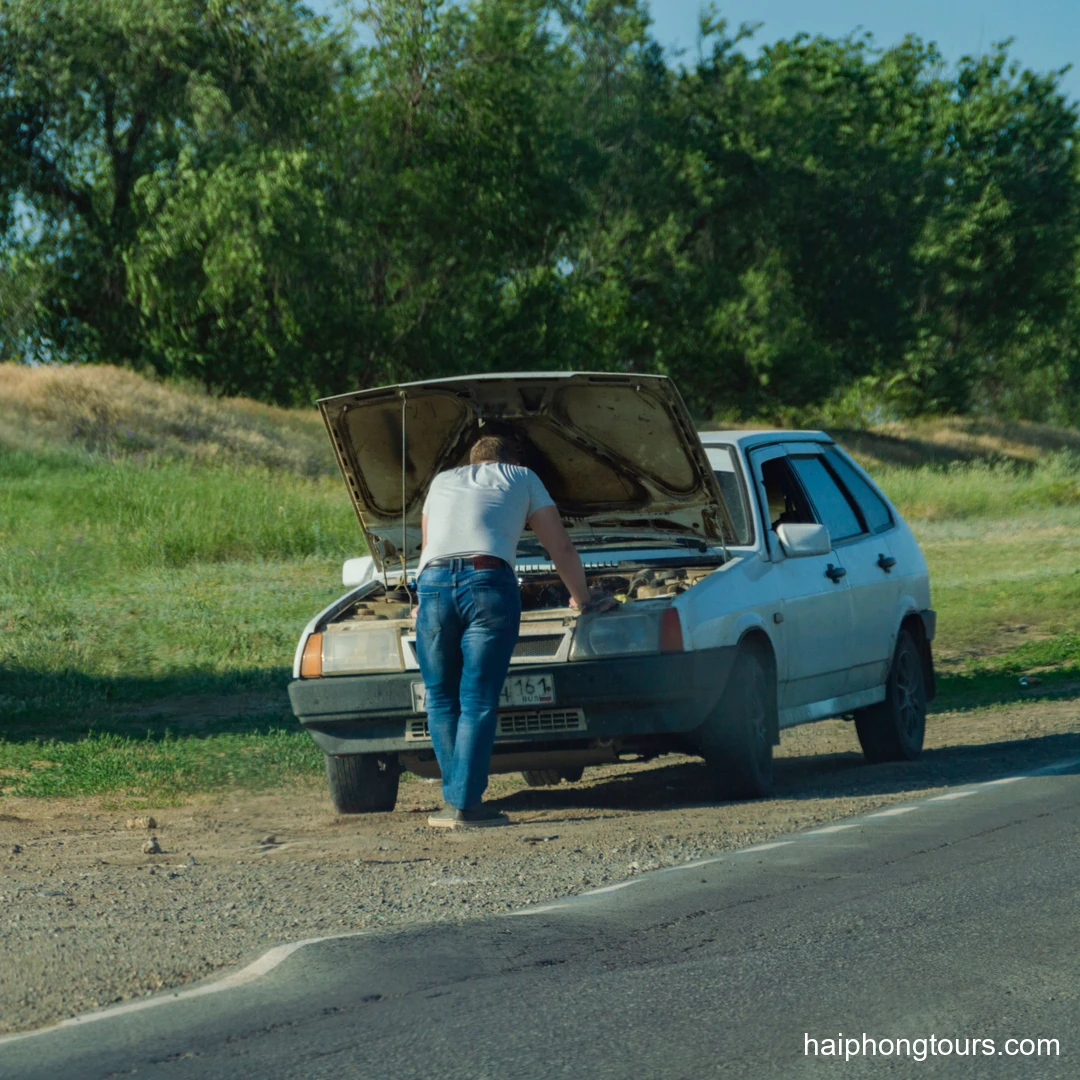
Use the emergency stopping lane or designated refuge where available and follow current expressway instructions.
Steps for this situation
Make the stopped vehicle visible
Use hazard lights, vehicle lighting and warning equipment as appropriate to the road and conditions. Follow current law, signs and authority directions for any warning placement.
Never step into fast traffic merely to place a warning device. At night or in poor visibility, keep people away from the carriageway and use reflective equipment if available without assuming it makes the location safe.
Position occupants safely
Decide whether remaining in or leaving the vehicle creates less risk. Consider the traffic side, barriers, weather, fire, flood, a steep verge and the needs of children or reduced-mobility passengers.
Do not cross an expressway or stand between the disabled vehicle and approaching traffic. Follow staff or emergency directions when they specify a refuge, exit or protected waiting place.
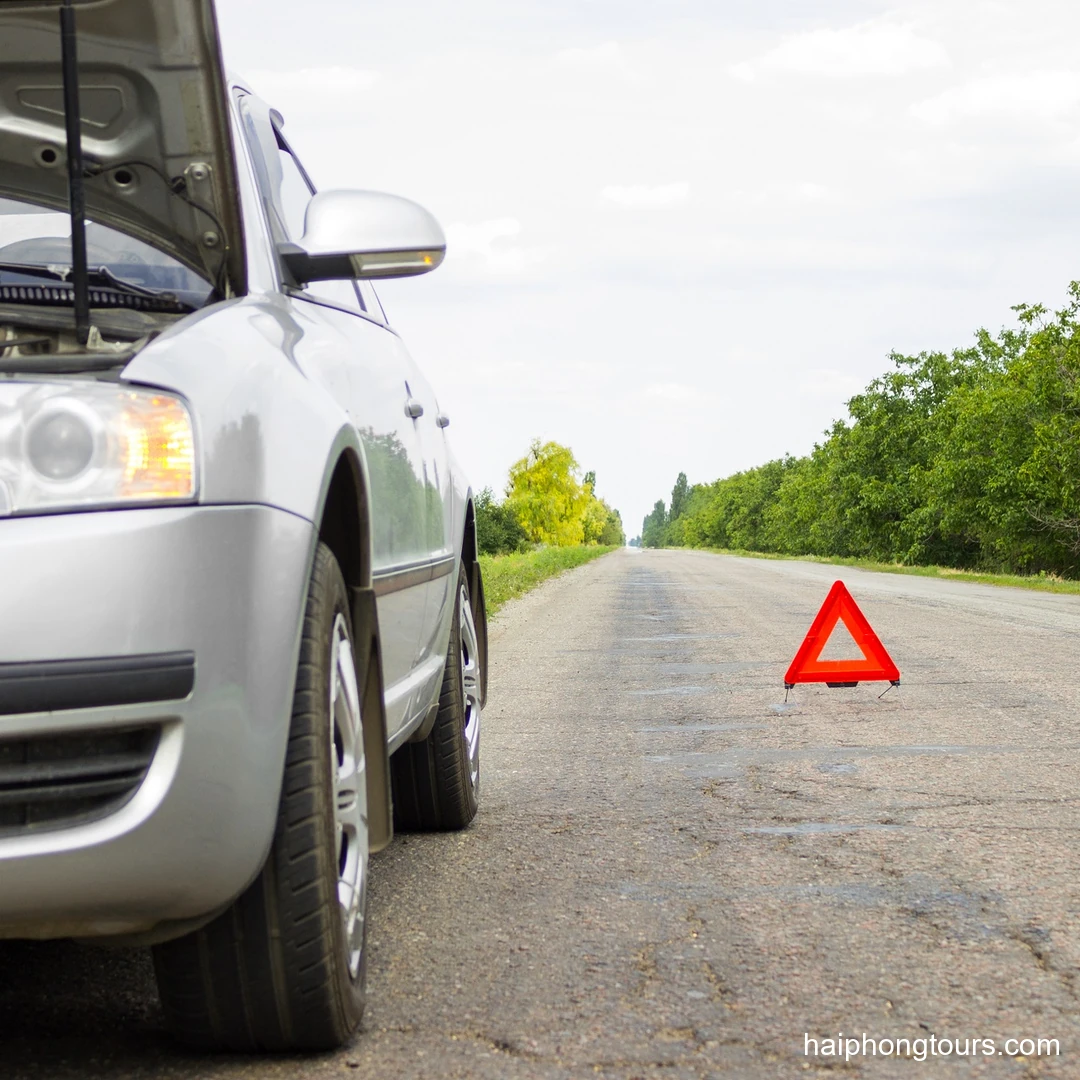
Keep people clear of live traffic and immediate hazards while arranging help. For fire, injury, floodwater or another life-threatening situation, request the appropriate emergency service first and follow its directions.
Need a new ground-travel plan after the immediate situation is resolved? Contact us with your safe pickup location, destination, group size and luggage to ask about a replacement transfer.
