
International rail tickets involving Vietnam do not automatically follow the domestic change and refund procedures. Decision 1298/QĐ-VTĐS Articles 18–19 point to OSJD arrangements and separate railway guidance. Confirm the specific international route, operator and ticket terms before paying or changing travel.
Do not apply a domestic online exchange deadline, fee or identity assumption to an international ticket. Carry the passport and any required border documents, and ask the issuing international office how stations, visas, changes and refunds are handled.
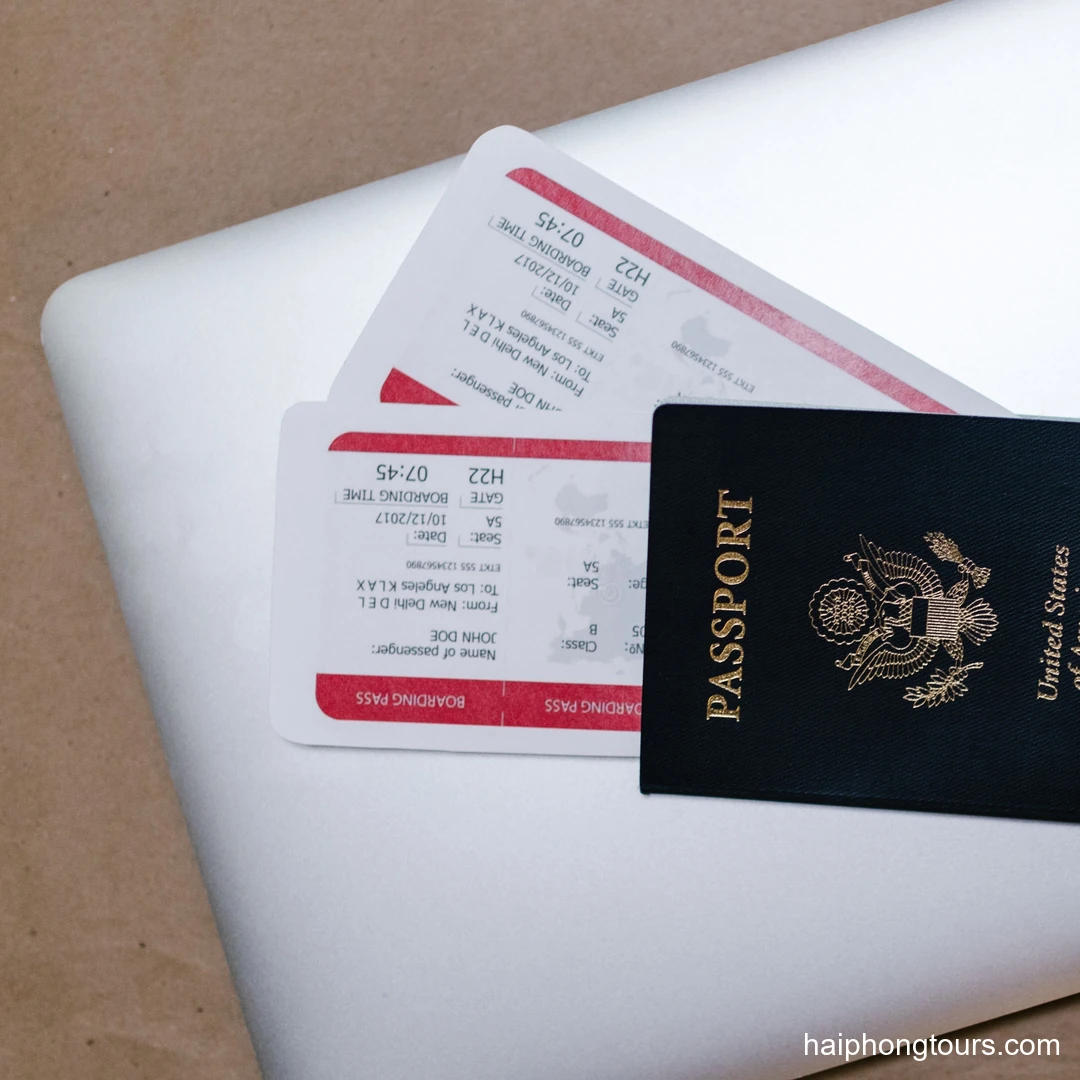
Identify the ticket regime
Check whether the journey is issued as an international through ticket, separate domestic and international tickets, or another arrangement. Record the issuing railway, route, border points and train numbers.
Ask which segment is governed by OSJD or separate international conditions. Do not treat a domestic feeder ticket as proof of validity across the border.
Verify documents for every country
Match the passenger name and passport number to the ticket. Confirm visa, entry, transit and customs requirements with the competent authorities. Railway acceptance does not grant immigration permission.
Keep originals accessible and protect copies. Do not hand a passport to an unofficial broker or share full document images in public messages.
Confirm stations and border timing
Ask where exit and entry inspections occur and whether passengers remain onboard or move through a station facility. Keep enough time and mobility support for the published procedure. Do not separate from the passport or international ticket during inspection.
Check baggage and prohibited-item rules for every jurisdiction and railway involved. Domestic carry-on assumptions may not govern the border segment. Declare items honestly and avoid carrying packages for strangers.

Confirm the currency and accepted payment method for any international change or supplement. Do not exchange money with unofficial brokers at the station. Obtain an official receipt and understand which railway issued it.
If language support is needed, arrange a trusted interpreter or written route details. Maintain personal control of tickets and identity documents. A translated note can assist communication but cannot change the governing ticket terms.
International trains can use specific stations and procedures. Verify departure, border control and destination stations from the current ticket. Add time for document inspection and baggage checks.
Do not use an ordinary domestic thirty-minute plan when international guidance requires earlier arrival. Follow the issuing office’s current instruction.
Ask about changes before acting
Contact the original international ticket issuer and state the train, date, route and passenger. Ask whether a date, class or route change is allowed and where it must be processed. Obtain the rule and fee in writing.
Do not use a domestic online change function unless the issuer confirms it applies to the exact record. Preserve the old ticket until a replacement is issued.
Ask about refunds separately
Confirm the deadline, issuing office, required documents and unused-segment treatment. International tickets may involve more than one railway. Do not assume a domestic station can refund the entire journey.
Keep payment evidence and obtain an acknowledgement. Approval and card settlement remain separate, but the international terms determine entitlement.
Plan missed connections conservatively
Determine whether connecting segments form one international contract or separate tickets. A delay on one record may not protect another. Ask the issuer what happens at the border or transfer station.
Keep a lawful overnight and visa-compliant fallback. Do not cross a border or board another train based on verbal advice from an unofficial agent.
Coordinate domestic transport
Hai Phong Tours does not issue OSJD international tickets. A separately booked transfer can serve a confirmed Vietnamese station, but it cannot interpret border rights or international ticket conditions.
Provide the driver only the verified station and time. Keep passport and ticket with the traveler throughout the handoff.
If verification fails
Check whether the ticket covers the border segment or ends at the last domestic station. Ask the issuer to identify each coupon or electronic component. Do not assume the visible itinerary represents one through contract.
If a visa or entry permission is missing, follow the competent authority’s instruction. Do not ask railway staff to guarantee entry. Protect accommodation and return transport while resolving the legal travel issue.
Ask the issuing office to confirm the live record and applicable rule. Do not buy a duplicate until the first ticket’s status is clear. If travel must move, protect visas, hotels and onward bookings.
Recheck Articles 18–19, the official current rule index and the international issuer’s guidance near departure. The safe boundary is explicit: international ticket decisions follow their OSJD and railway framework, not automatic domestic assumptions.
Complete an international journey audit
List each railway segment, issuing organization, ticket code, border station and applicable document. Mark whether the record is through-issued or separate. This reveals where one operator’s promise ends and another procedure begins.
Check return and onward travel independently. A change accepted on the outbound ticket may not alter the return. Keep enough visa validity and financial reserve for a delay at the border.
Store official contacts offline and tell a trusted person the itinerary without sending passport scans. If service is interrupted, follow railway and border-authority instructions before arranging a road crossing or alternate country entry.
At the destination, retain tickets and border records until the return and any claim are complete. International journeys can require proof of the route actually used. Keep those records private and do not discard them at a station printer or hotel desk.
Reconfirm the governing international conditions whenever the itinerary or issuing railway changes. Articles 18 and 19 point these journeys to the applicable international framework; they do not turn the domestic ticket rules into a universal border-travel guarantee.
Would a private transfer make this journey easier? Contact us with your travel date, exact pickup and drop-off, number of travelers and bags. Include any flight, train or cruise deadline so we can assess a suitable plan and quotation.
