
Start this transfer from the Vietnam Museum of Ethnology’s actual public visitor exit, not from an interior gallery, staff gate or broad campus pin. Cau Giay is the operating eastern endpoint of the elevated Line 3 section. A recorded short ride, verified local connection or manageable walk can bridge the last mile.
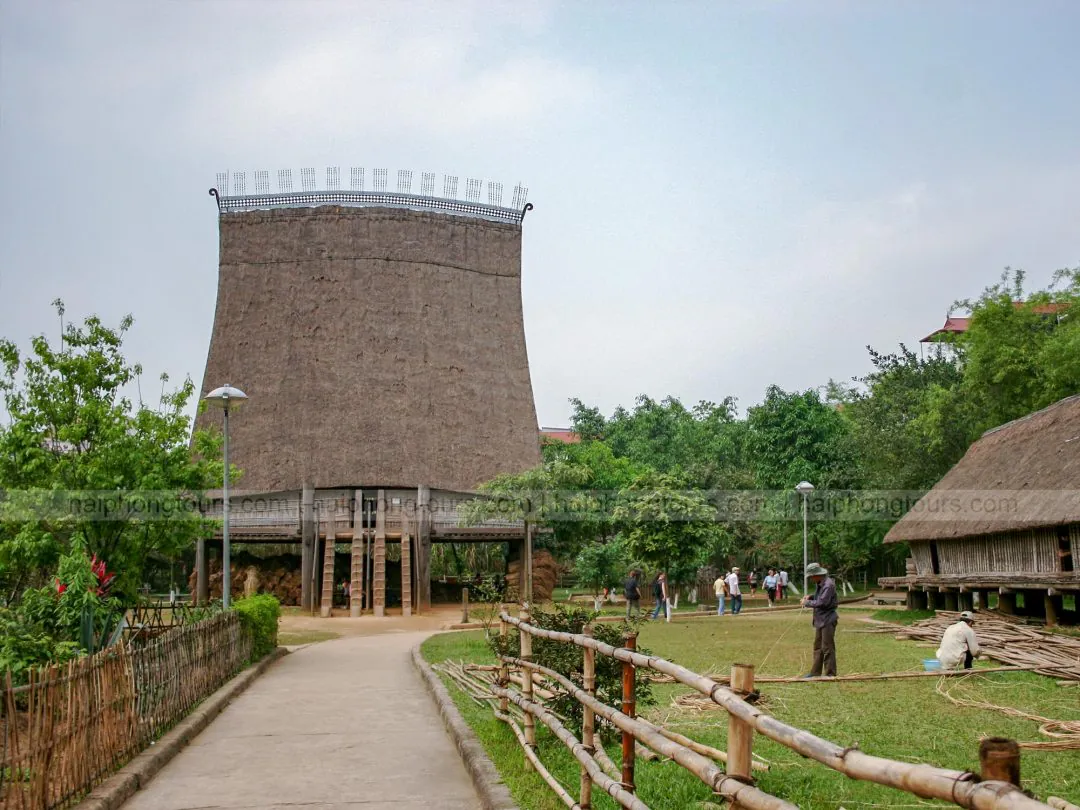
The right option depends on the release gate, weather, bags, mobility and the remaining metro window. If the museum closes through a different public exit or the visit ends late, update the origin before requesting a vehicle or beginning the walk.
Confirm where the museum releases visitors
The museum’s public visitor address is on Nguyen Van Huyen Street in Nghia Do. Ask reception or a guard which public gate is in use when you leave. A special event, temporary closure or grounds arrangement can make the morning entrance unsuitable for the return pickup.
Reach the staffed public exit before ordering a ride. Share a live pin and visible legal landmark, then match the recorded plate. Do not ask a driver to enter a service area or stop where museum staff prohibit passenger collection.

Recount belongings before leaving the grounds. The museum is not luggage storage, and a visitor who brought bags through an approved arrangement still needs to manage them on the road or metro. Keep identity documents, medication and valuables with the traveler.
Know what Cau Giay station serves
Current Line 3 passenger operation is the elevated section between Nhon and Cau Giay. Cau Giay is its eastern endpoint. The future underground extension toward central Hanoi is not part of this transfer.
Use the signed operating entrance and current staff direction. Confirm service, fare media, baggage conditions and the usable accessible path on the day. Avoid promising a particular entrance number or lift because the practical route can change.
If Cau Giay is only an intermediate point, check whether Line 3 actually advances the rest of your journey. When service is ending or your destination lies elsewhere in Hanoi, direct road transport from the museum may remove an unnecessary change.
Choose the last-mile mode after exit
Short recorded road ride
This option is useful with children, several bags, limited mobility, heavy rain, heat or low signal. Give the driver the current museum public exit and Cau Giay Metro Station on operating Line 3. Request a legal station drop and keep the vehicle record.
Confirm enough cargo room before loading. A compact vehicle that cannot carry a wheelchair, stroller or cases safely is not a workable ride even for a short urban distance.
Verified city route or walk
Check the complete route from the gate that is actually open. Include the correct road side, crossings, construction, final station approach and weather. Do not rely on a saved bus number or a line drawn through a closed campus exit.
A walk suits a traveler with comfortable mobility and little luggage. If the group must carry cases across busy roads or cannot use the current station path, use a recorded vehicle rather than treating the short map distance as proof of suitability.
Protect the metro margin
Your departure time is when the visit has ended, the group has reached the public exit and all belongings are together. It is not the museum’s nominal closing time. Add vehicle waiting or walking, station entry and fare control before judging whether Line 3 remains useful.
The museum, city route and metro are separate. A late gallery release does not keep Line 3 open. Recheck current operation before leaving the grounds, especially after an evening activity or any delay.
Hai Phong Tours uses the actual museum exit and signed Cau Giay entrance as the two essential handoff details. There is no listed Hai Phong Tours service for this exact route, so travelers should arrange current museum, metro and licensed road information independently.
When the group has a timed appointment after the museum, set a latest safe exit time before entering the final gallery or outdoor area. Confirm that the selected public gate will still be open for departure. If the museum route or activity would push the group beyond that limit, shorten the visit or arrange direct road travel to the final appointment rather than depending on a last-minute metro transfer.

Accessible-route questions
- Ask museum staff which public exit has the most suitable surface for the traveler.
- Ask Hanoi Metro staff which Cau Giay entrance and lift path are operating.
- Confirm the vehicle can carry mobility equipment without unsafe folding or loading.
- Check whether the final curb and road crossing are manageable for the full group.
Recovery actions
- The exit differs from the planned gate: Wait at the staffed public exit, update the live pin and meeting landmark, then request the ride.
- The metro is disrupted or ending: Use recorded road transport to the actual final destination rather than stopping at Cau Giay.
- The route sends you through a staff gate: Follow museum instruction back to the lawful visitor release.
- Weather makes the walk unsafe: Remain under staffed shelter and arrange a recorded vehicle.
- A bag or mobility device cannot be carried: Change the vehicle or route before leaving the museum area.
Exit checklist
- Actual public visitor exit and safe pickup landmark are known.
- Current Cau Giay Line 3 entrance and service are confirmed.
- Road ride, city connection or walking route is complete from gate to entrance.
- Bags, mobility needs and weather are manageable.
- Direct transport to the final destination is ready if metro service is no longer useful.
Would a private transfer make this journey easier? Contact us with your travel date, exact pickup and drop-off, number of travelers and bags. Include any flight, train or cruise deadline so we can assess a suitable plan and quotation.