
Record the wider scene, vehicle positions, damage, signs, road surface and relevant conditions without impeding responders.
Handle this part of the collision response
Begin with wide views showing road layout, travel direction, signs, signals, weather, surface and final vehicle positions, then capture plates and visible damage. Include fixed landmarks that help locate the scene. Do not enter traffic, climb barriers, film injured people intrusively or obstruct police and medical staff. Preserve original files with time and metadata where possible, and do not edit them into a misleading sequence. A photograph records what the camera captured; it does not independently decide speed, fault or liability.
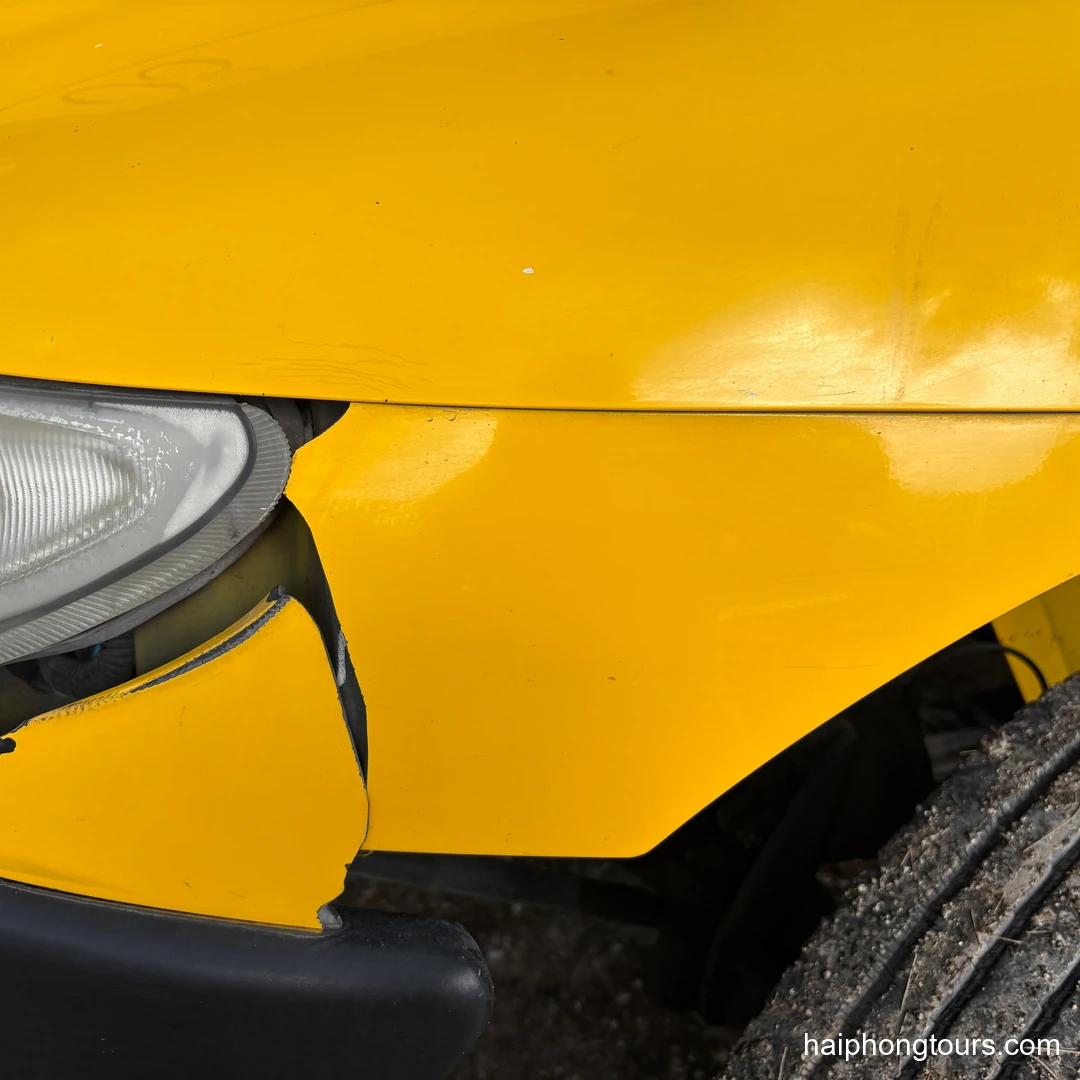
Create a neutral scene record
Capture wide views of the road, directions, signs, signals, surface, weather and vehicle positions, followed by plates and visible damage. Do not obstruct responders or photograph injured people intrusively.
Keep original files and metadata. Note who directed any movement or cleanup. Images record conditions; they do not by themselves establish speed, cause or liability.
Address injuries and immediate danger before collecting paperwork. Follow police and emergency-service directions; do not delay urgent care, obstruct responders or move a seriously injured person unless immediate danger or competent guidance requires it.

Need a new ground-travel plan after the immediate situation is resolved? Contact us with your safe pickup location, destination, group size and luggage to ask about a replacement transfer.
