
Report the collision promptly through the competent police channel and state facts: location, time, people involved, injuries, road obstruction, fire or other danger and vehicles present. Record the receiving unit or reference when available and follow instructions about remaining, movement, documents and statements. Do not replace the official report with an informal roadside promise when police duties still apply. A report opens the proper process; it does not establish fault, guarantee document release or predict an administrative, civil or criminal outcome.

Report the collision promptly and follow instructions from the competent police authority.
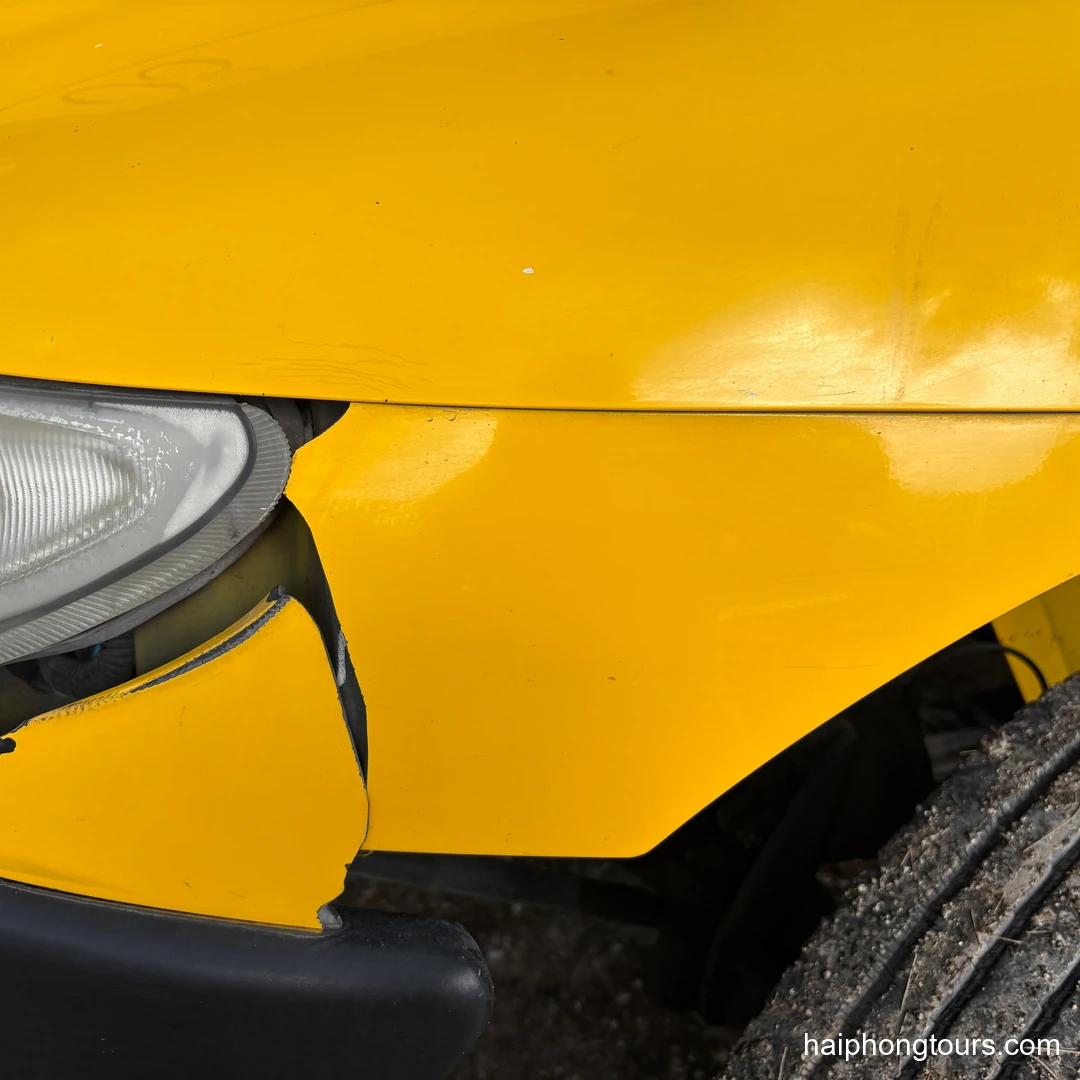
Handle this part of the collision response
Report to the competent police authority
Report promptly and state the location, time, vehicles, people, injuries, obstruction and immediate danger. Record the receiving authority or reference when available and follow instructions about remaining, movement, documents and statements.
Do not substitute an informal roadside agreement for required reporting. A police report starts the official process; it does not decide fault or promise a particular administrative, civil or criminal result.
Address injuries and immediate danger before collecting paperwork. Follow police and emergency-service directions; do not delay urgent care, obstruct responders or move a seriously injured person unless immediate danger or competent guidance requires it.
Need a new ground-travel plan after the immediate situation is resolved? Contact us with your safe pickup location, destination, group size and luggage to ask about a replacement transfer.
