
Avoid non-emergency repair that could destroy evidence before police, insurer and owner inspection requirements are clear.
Handle this part of the collision response
Avoid non-emergency repair, dismantling, cleaning or parts disposal until police, insurer, owner and rental inspection requirements are clear. Safety work needed to prevent fire, leakage or further harm should follow responder direction and be documented. Move the vehicle only as authorized or urgently necessary. Ask for written repair approval and an itemized estimate, but do not assume approval from silence or a roadside suggestion. Preserving evidence does not promise that a repair will be authorized, covered or successful.
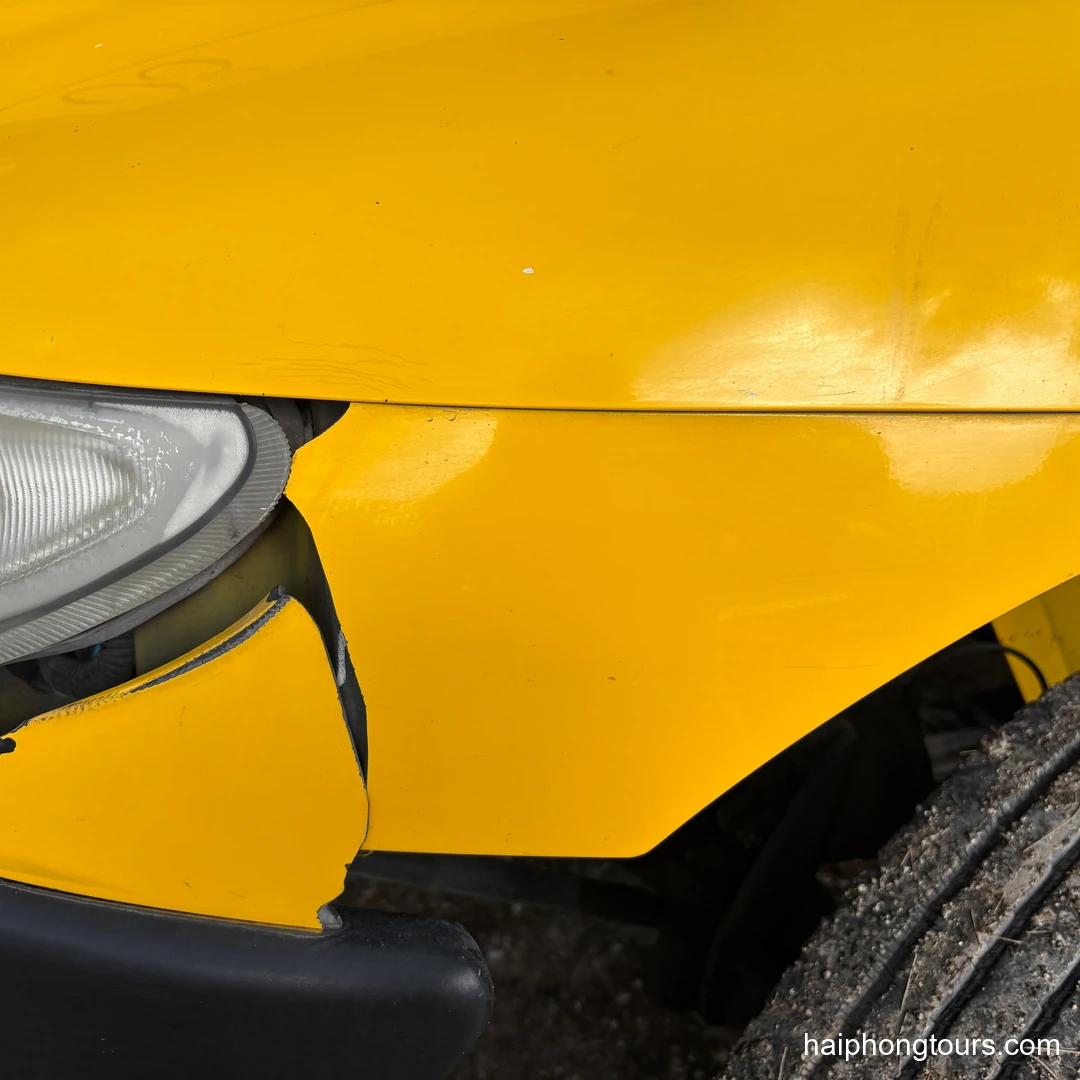
Do not destroy evidence through repair
Avoid non-emergency repair, dismantling, cleaning or parts disposal until police, owner, rental and insurer inspection requirements are clear. Document any urgent work needed to prevent further danger.

Request written authorization and an itemized estimate. A roadside suggestion or silence does not establish repair approval, insurance coverage or a successful repair outcome.
Address injuries and immediate danger before collecting paperwork. Follow police and emergency-service directions; do not delay urgent care, obstruct responders or move a seriously injured person unless immediate danger or competent guidance requires it.
Need a new ground-travel plan after the immediate situation is resolved? Contact us with your safe pickup location, destination, group size and luggage to ask about a replacement transfer.
