
A Vietnam train paper ticket can be invalid when it has been erased, altered, torn or separated into sections. Decision 1298/QĐ-VTĐS Article 4.1.2 sets this validity boundary. Do not tape, rewrite or retouch the ticket and present it as original; take it to official station staff before boarding.
Preserve every piece exactly as found, carry the passenger’s matching identity document and retrieve the purchase evidence. Ask the station to check the official ticket record, determine whether the document remains readable and explain the authorized remedy. A photograph or payment receipt does not automatically restore validity.
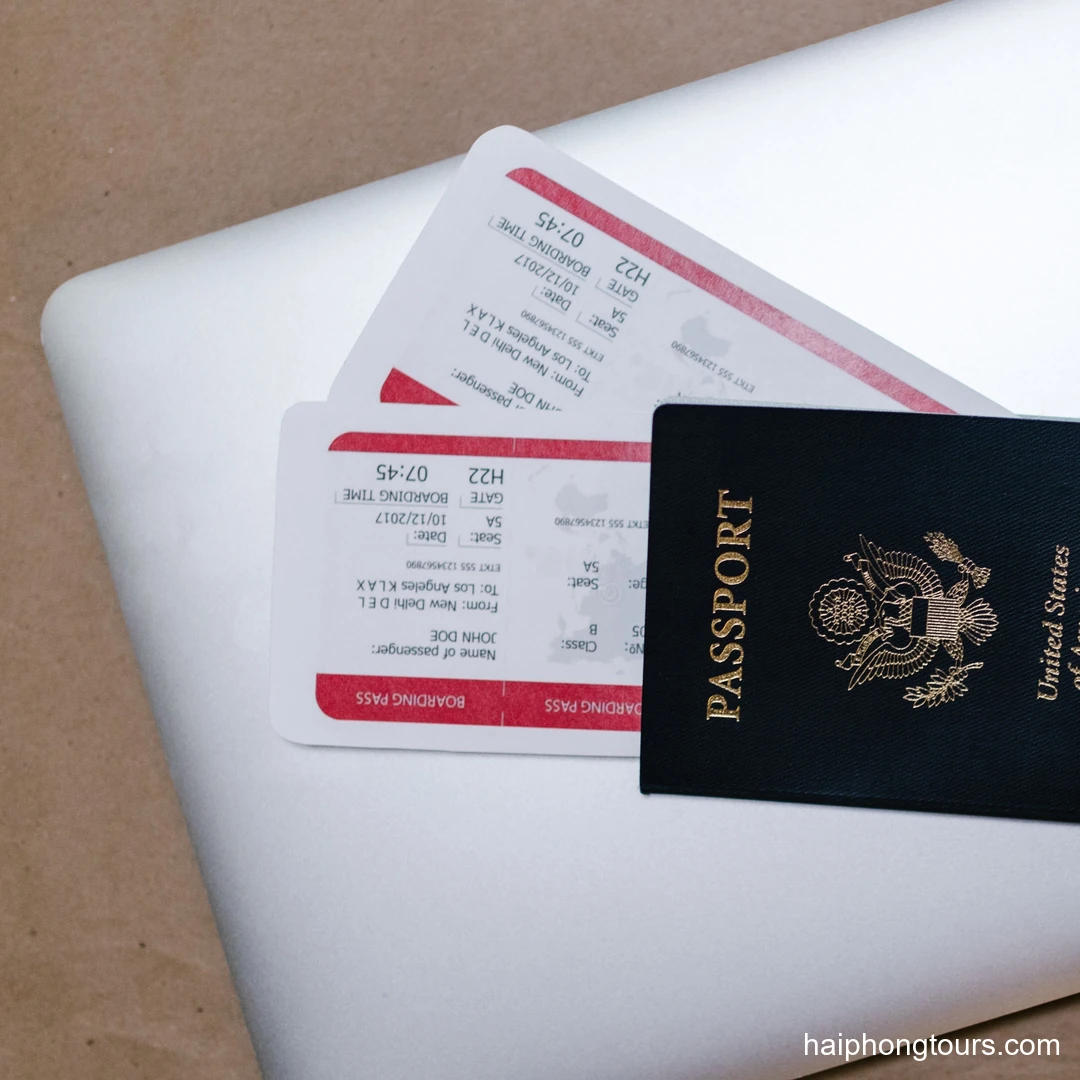
Stop handling the ticket unnecessarily
Place loose pieces in a transparent sleeve without writing on them. Keep water, adhesive and heat away. If printing faded or the paper was accidentally washed, do not trace the letters with a pen. Staff need to inspect the actual condition, not a traveler’s reconstruction.
Photograph both sides privately to record the damage. The image is evidence of condition, not a boarding ticket. Keep the ticket number, train, date, route, class and passenger name available from the original confirmation when possible.
Classify the problem honestly
- Accidental tear: retain all parts and explain when it happened.
- Separated sections: do not assume matching edges make the ticket valid.
- Erasure or overwritten field: stop using the document and request inspection.
- Faded or wet print: keep the paper flat and let staff assess readability.
- Suspected tampering by another person: protect the ticket and report the facts.
Article 4.1.2 is a document-validity rule, not a lost-ticket replacement promise. Keep this case separate from a missing paper ticket or an electronic-ticket verification issue owned by another procedure.
Go to the station early
Arrive well before the railway’s normal early-arrival recommendation so the ticket office can inspect the document. Present the damaged original, identity document and purchase confirmation. State the exact observed damage without claiming that an unofficial repair was authorized.
Ask staff to search the current ticket record for the named passenger and train. Confirm the departure station, destination, date and class. If the ticket was bought through an agency, contact that seller from the station and request a traceable response.
Follow only an official remedy
The station may need to apply its current handling procedure. Do not assume it will reprint, endorse or replace the ticket, and do not buy another seat until staff explain the status of the original. Obtain a receipt for any payment or document surrendered.

If staff issue a valid replacement or supplementary record, compare all journey and identity details before leaving the desk. Store the damaged document separately so it is not presented by mistake.
Protect identity and payment data
Do not send the full ticket or passport to strangers offering online recovery. Ticket numbers and identity details can be misused. Use the official railway counter or verified seller contact and mask unnecessary card data in any message.
Hai Phong Tours cannot rule on paper-ticket validity. A useful travel-planning step is to allow station-resolution time before any separately arranged pickup, but only railway staff can determine whether the damaged document can be handled for travel.
If verification fails
Ask staff whether the database shows the ticket as active, used, returned or changed. A physically damaged ticket and an inactive underlying record are different problems. Note the answer and avoid presenting the paper again if the system says it has been superseded.
If another passenger or seller caused the alteration, describe the event without accusing station staff. Preserve messages, receipts and the envelope in which the ticket arrived. The issuing seller may need to investigate, but only the railway can decide immediate boarding under the current record.
When a replacement purchase is unavoidable, check live availability and the exact passenger identity before payment. Ask whether the damaged ticket must be retained for a later claim. Keep the new and old records in separate sleeves and label the valid one clearly.
For a return journey, inspect the second paper ticket as well. Damage to one segment does not automatically determine the other, but separated coupons or sections may affect both. Ask staff to identify which physical portions remain valid rather than making that decision yourself.
Ask for the reason: unreadable record, identity mismatch, wrong train, already changed ticket or another issue. Do not alter the ticket to match the answer. Request the official next step and a case reference.
If departure is imminent and no valid record can be produced, decide with staff whether a new ticket is required. Keep both transactions and the written explanation. Do not board without authorization or occupy the originally printed seat based on the damaged paper alone.
Prevent repeat damage
Keep hard tickets flat in a document wallet with the passenger’s control. Do not laminate, staple or write on them. Store the booking details offline and check the ticket condition before leaving the hotel.
The decision boundary is simple: Article 4.1.2 treats alteration and specified physical damage as validity problems. Preserve the original evidence, present it early and accept only a railway-issued solution.
Document the final station decision
Ask staff to identify which condition made the paper valid or invalid and what record replaces it. Keep the answer with the ticket pieces. This prevents a second gate or onboard inspector from seeing an unexplained damaged document.
After travel, store any claim evidence separately and destroy unnecessary copies securely. Do not sell, transfer or display the damaged original once the railway marks it unusable.
Would a private transfer make this journey easier? Contact us with your travel date, exact pickup and drop-off, number of travelers and bags. Include any flight, train or cruise deadline so we can assess a suitable plan and quotation.
