Start eating in Dong Hoi with cháo canh, bánh bột lọc, bánh bèo and bánh khoái, then choose a seafood meal if it suits your diet and budget. The most useful rule is to ask what is inside the dish and how it is priced. A familiar-looking rice cake may contain shrimp or pork, and a seafood price may be per kilogram rather than per portion.
You do not need to track down a long list of “must-try” restaurants. Learn a few dish names, identify a convenient eating area and order one manageable meal at a time. This is particularly helpful when you arrive from the north tired, hungry and unfamiliar with the local menus.
Four local dishes to recognize
| Dish | What to expect | What to ask |
|---|---|---|
| Cháo canh or cháo bánh canh | A substantial noodle soup, not a bowl of smooth rice porridge; fish, shrimp or pork may appear. | Which noodles, broth and toppings are used? Is a fried roll extra? |
| Bánh bột lọc or bánh lọc | Chewy translucent dumplings, often with shrimp and pork; some come wrapped in leaves. | Is the price per piece or plate, and what is the filling? |
| Bánh bèo | Small soft cakes commonly served with a shrimp topping. | How many pieces are included, and what is in the topping and sauce? |
| Bánh khoái | A crisp savory pancake, commonly containing shrimp, pork and bean sprouts. | What is in the dipping sauce, and is one serving enough to share? |
Cháo canh: a useful first breakfast
Despite the word cháo, this local dish is better approached as noodle soup. Some versions use wheat-based noodles, and the broth or toppings can contain several animal ingredients. Seeing fish on top does not establish that the broth contains no pork.
Order one bowl first if you are unsure about the portion. A fried ram may be offered alongside it; ask whether it is included before accepting several. If chili is a concern, request it separately rather than assuming a small-looking condiment is mild.
For a train-arrival breakfast, choose a place that is open and cooking rather than spending an hour crossing town for a name from an old list. Keep the first meal simple, then explore more once your bags and room are organized.
Bánh lọc and bánh bèo: good for tasting, not automatically vegetarian
The appeal of bánh lọc is its chewy wrapper and concentrated filling. Leaf-wrapped and unwrapped versions are both found in the region. Remove the wrapping before eating, and ask for a small plate if you want to compare it with another dish rather than order a full meal of dumplings.
Bánh bèo offers a softer texture, often with shrimp scattered over the cakes. Do not judge suitability by the plain-looking base. The topping, fried garnish and dipping sauce are as important as the flour when you have dietary restrictions.
If buying food to take away, explain when you intend to eat it and ask how it should be stored. A local delicacy is not automatically suitable for carrying through a long hot journey or an international border. Avoid buying a large quantity until you understand the practicalities.
Bánh khoái: order the sauce as carefully as the pancake
This is a good choice when you want something crisp and substantial. Recipes vary, including the batter and sauce. The provincial tourism description notes that dipping sauces can contain ingredients such as pork and peanuts; they should not be treated as a simple chili dressing.
Start with one serving to see the size. Ask how the vegetables and sauce are used if the plate is unfamiliar. If you need to avoid a particular ingredient, explain that before cooking begins, not after the sauce has been poured over the food.
Where to start looking in Dong Hoi
- Dong Hoi Market, Me Suot Street: a useful place to look for simple local food alongside your city visit. Choose from the stalls operating when you arrive.
- Tứ Quý, 17 Co Tam Street: a bánh khoái address listed by the provincial tourism portal. Use the Vietnamese business name and street together when asking for directions.
- Bánh lọc Mệ Xuân, Le Thanh Dong Street: a local bánh lọc name recorded by the provincial visitor portal. Search the business name with the street rather than assuming every similarly named map result is the same shop.
These are practical starting points, not a live reservation list or a guarantee of opening hours. Restaurant schedules, menus and premises can change. If you would need a special journey, have your accommodation check that the intended place is operating before leaving.

For a short stay, group food with sightseeing: the market and Co Tam area suit a central-city outing, while a meal near your hotel may be more comfortable after a long cave day. The Dong Hoi city itinerary helps keep the route sensible.
How to order seafood without a bill surprise
At a seafood restaurant, establish the item, size, weight and cooking method before it goes to the kitchen. Pointing at a tank and saying “one” can mean one whole fish or crab, not one inexpensive plate.
- Ask for the unit. Is the number per kilogram, per 100 grams, per animal or per dish?
- See the weight. Confirm the selected item and its measured weight before cooking.
- Agree the preparation. Steamed, grilled and cooked with a sauce may have different charges.
- Ask for the complete estimate. Include cooking, side dishes, drinks and any service charge.
- Check the bill item by item. Keep the agreed numbers in writing or on a calculator if language is an obstacle.
For example, if an item is quoted at 320,000 VND per kilogram and weighs 0.8 kilogram, the seafood component is 256,000 VND before any separately charged preparation or extras. This is a calculation example, not a local menu quotation.
Ask whether rice, vegetables and sauces are separate. For two people, a smaller order with the option to add more is often easier to manage than selecting several large items immediately. Do not feel obliged to order expensive live seafood just because it is displayed at the entrance.
Vegetarian, vegan, halal and allergy questions
State your actual requirements rather than relying on a broad label. A dish without visible meat may still contain fish sauce, shrimp seasoning, animal stock or an animal-based dipping sauce. “Seafood” is not the same thing as certified halal, and removing shrimp from a prepared plate does not make the preparation suitable for a shrimp allergy.
For a strict requirement, show a clear translated explanation and ask whether the kitchen can genuinely meet it. Include broth, sauces, cooking oil and shared utensils where relevant. If the answer is uncertain, choose a different meal or venue rather than treating a polite nod as confirmation.
Travelers avoiding gluten should ask about noodles and condiments, not assume every Vietnamese noodle is made from rice. Families can request plain rice, simply prepared vegetables or another familiar item, but should still confirm ingredients and portion sizes.
| What you want to communicate | Useful Vietnamese wording |
|---|---|
| How much is one portion? | Một phần bao nhiêu tiền? |
| What is in this dish? | Món này có những nguyên liệu gì? |
| Does it contain pork? | Món này có thịt heo hoặc thịt lợn không? |
| Please put chili separately. | Cho ớt riêng giúp tôi. |
| Please do not add fish sauce. | Xin đừng cho nước mắm. |
| Is this price per kilogram? | Giá này tính theo một ký phải không? |
These phrases start the conversation; they are not proof that an ingredient can be removed from food already prepared. For serious allergies, use a specific translated allergy card and only eat where the preparation can be explained clearly.
A simple eating plan for a short visit
Choose a bowl of local noodles for one meal, a small bánh lọc or bánh bèo tasting for another, and one seated dinner. Add a seafood meal if you want it, rather than trying to eat every specialty in a single day.
For an initial budget, Vietnam’s national tourism guide uses reference figures of about 45,000 VND for a street-food meal with iced tea and 25,000 VND for a sidewalk coffee. These are broad national planning references, not live Dong Hoi menu quotations. A seafood meal, larger order or hotel restaurant needs its own price check.
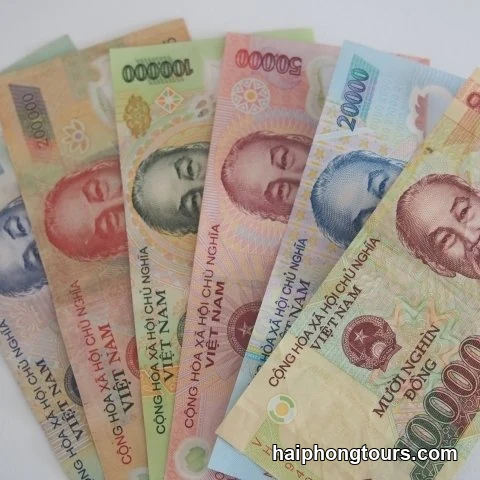
Keep payment straightforward: ask for prices in VND, check the number of zeros and carry small notes for stalls. Do not assume a foreign card will be accepted because a QR payment sign is displayed. For a larger restaurant bill, establish the accepted payment method before ordering.
If you continue inland, arrange meals around your chosen tour and accommodation rather than arriving at a remote stay with no dinner plan. The base-choice guide explains why this matters.
Need your food preferences considered in the wider route? Contact us with your dietary requirements, hotel area and travel schedule. Explain any strict restrictions clearly so we can help you plan what needs to be confirmed before the journey.