
Do not schedule the Yen Tu summit on the same day as an unforgiving early flight or train. Complete the mountain, finish the full descent and reach the final-night base first. Then use a prearranged road transfer or reposition closer to Hai Phong, Hanoi, Noi Bai or the correct station.
The key dependency is the descent, not the time you expect to reach the summit. Walking stages, cable-car operation, queues, weather, baggage collection and hotel checkout all sit between the mountain and the fixed ticket. If one ordinary delay breaks the chain, move the previous day.
Work backward from the issued ticket
For rail, confirm the train, station and departure on the current ticket. For air, confirm the airport, domestic or international terminal and airline check-in deadline. General schedules do not replace the issued booking.
Subtract terminal or station entry, unloading, road travel, a disruption buffer, hotel loading and checkout. The remaining time tells you where the final night should be and when the mountain visit must end.
Set a summit and turnaround cutoff
Yen Tu is a multi-stage route. Work backward from the last verified cable-car or site service, the walking that remains below it, daylight and the time needed to retrieve bags. Turn around before the plan depends on the final possible descent.

Do not use an optimistic ascent time to predict the return. Downhill steps can be slower for older travelers, tired legs or wet surfaces, and queues may appear in either direction. A member of the group who reaches the turnaround point first should not pressure others to continue.
Finish the mountain before the final night
Return to the confirmed base, count the group, collect luggage and deal with wet clothing or equipment. Check out or settle payment before an early road departure. Do not leave bags at an unverified desk beyond its collection hours.
If weather or site operations delay the descent, cancel the same-night long road plan rather than asking a driver to recover time unsafely. Protect the flight or train with the fallback already chosen.
Choose the final-night location
Mountain base or Uong Bi
This can work when the road departure is not extremely early and the hotel confirms gate access, checkout, vehicle pickup and baggage handling. Send the driver the exact entrance pin and ask whether the road is suitable for the vehicle at that hour.
Hai Phong
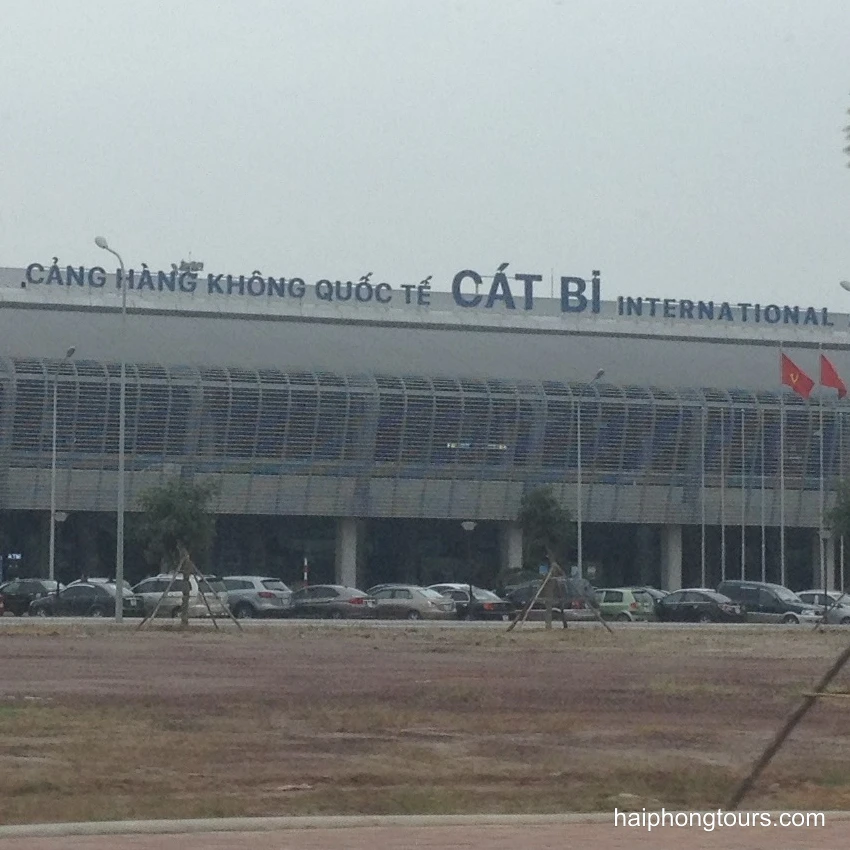
Hai Phong may reduce the final road exposure before Cat Bi Airport or a local rail departure. Confirm the actual terminal or station and choose a hotel that supports the early pickup.
Hanoi or a Noi Bai-area hotel
Move closer the previous day for a very early Hanoi train or Noi Bai flight. Hanoi stations and Noi Bai’s T1 and T2 are not interchangeable. Select the hotel only after the ticket location and the morning vehicle are confirmed.

Protect the road handoff
Tell the road operator the passenger count, bag count, hotel entrance, fixed ticket and required arrival time. Ask for the driver name, vehicle, pickup time and backup contact. A quote that includes only “Yen Tu to Hanoi” does not prove the pickup can occur at the property before dawn.
Keep passports, tickets, medicine and electronics in personal bags. Large suitcases, strollers or mobility aids must be included when the vehicle is assigned.
Confirm food, rest and early checkout
An early departure may begin before breakfast. Arrange food and water in advance and avoid adding a late dinner after the mountain. Travelers need enough recovery time to handle the next road journey and terminal process safely.
Settle room charges the evening before where possible. Ask who opens the gate and where the key should be left. Save the hotel and driver contacts offline.
Weather changes the descent plan
Rain, wind, fog and heat can affect walking speed and cable-car operation. Check the responsible operator’s current notice and shorten the visit before conditions consume the descent margin. Do not assume a cable car will remove every walking stage.
When a warning or closure is issued, follow it. An independent mountain visit, road transfer and airline or rail ticket are not protected connections.
A message that tests the connection
Send: “We must arrive at [station or terminal] by [time] on [date]. We will finish Yen Tu and stay at [exact hotel pin] the previous night. Please confirm pickup time, vehicle, bag capacity, realistic arrival and the backup if road or weather conditions change.”
Hai Phong Tours recommends rejecting a same-day summit-and-ticket plan when the operator cannot show a complete descent, hotel and road margin. Removing the summit from departure day is the single strongest protection.
The practical decision
Complete Yen Tu before the final night, then reposition according to the ticket: mountain base only for a resilient road start, Hai Phong for suitable local departures, and Hanoi or Noi Bai for early capital connections. The fixed departure should begin from a confirmed hotel, not from the upper mountain.
Write the descent as a stage list
The return can include Dong Pagoda or the upper route, walking to the upper cable, a transfer between cable sections, the lower cable, shuttle or base walk, luggage collection and the road vehicle. Confirm each stage and the last supported service on the travel date.
If one cable section suspends, follow the operator’s route and keep the lower accommodation. Do not create an unofficial path or a deadline-driven night descent.
Use a smaller final mountain day when needed
A lower-complex visit or one cable section can preserve Yen Tu without putting the fixed ticket at risk. Finish early, collect bags and begin the road reposition while daylight remains. The visit is not a failure when Dong Pagoda is removed by the transport deadline.
Would you like help fitting this experience into your trip? Contact us with your travel dates, starting point, available time and group size. Tell us about walking limits or special interests so we can suggest a practical itinerary.