
A comfortable Ha Giang trip is made from a suitable vehicle, a room you can sleep well in and a daily route with enough breathing room. A high price or the word “luxury” does not define those things. Decide the practical standard you need, then have it confirmed for every stage of the journey.

Comfort also means removing avoidable transitions. A direct transfer to the right accommodation, two nights in one useful base or a dependable meal after arrival can improve the trip more than an extra scenic stop. Spend first on the arrangements that affect you every day.
Turn comfort into a specification
| Part of the trip | A useful specification |
|---|---|
| Road travel | Actual vehicle category, passenger load, luggage space and planned breaks |
| Bedroom | Bed setup, quiet location, heating or cooling and enough space for your belongings |
| Bathroom | Private or shared, shower arrangement, hot water and access from the bed |
| Daily pace | Departure time, essential stops and a realistic finish at the accommodation |
| Meals | Timing, dietary requirements and where the first and last meals are taken |
| Support | A clear operating contact and an agreed response to changes |
Rank your priorities. If a quiet private bathroom matters more than a swimming pool, say so. If you dislike packing every morning, ask which overnight base can reasonably hold two nights. The seller can design more effectively around three clear requirements than around an undefined request for the best.
Choose the vehicle around people and bags
For a private car, provide the number and size of bags as well as passenger numbers. A seat count is not a luggage plan. If you want a guide in addition to the driver, include that person in the space calculation.

Specify the vehicle entrance needs if climbing into a high step is uncomfortable. For a shared bus or limousine, obtain the actual seat or berth arrangement rather than assuming all vehicles marketed under one name are identical. The car-versus-sleeper comparison helps separate the travel format from its advertising label.
Agree breaks by the route and your needs, not as an unrealistic promise to stop anywhere. On narrow mountain roads, safe stopping places matter. Tell the driver early when a break is needed and leave room in the schedule to reach a suitable place.
Pay attention to the overnight sequence
A comfortable eastern trip can still use simple accommodation, provided the rooms match your expectations. Confirm the bed, bathroom and temperature control for each night in Yen Minh, Dong Van, Meo Vac or Du Gia. A superior arrival hotel does not determine the standard of the mountain nights.
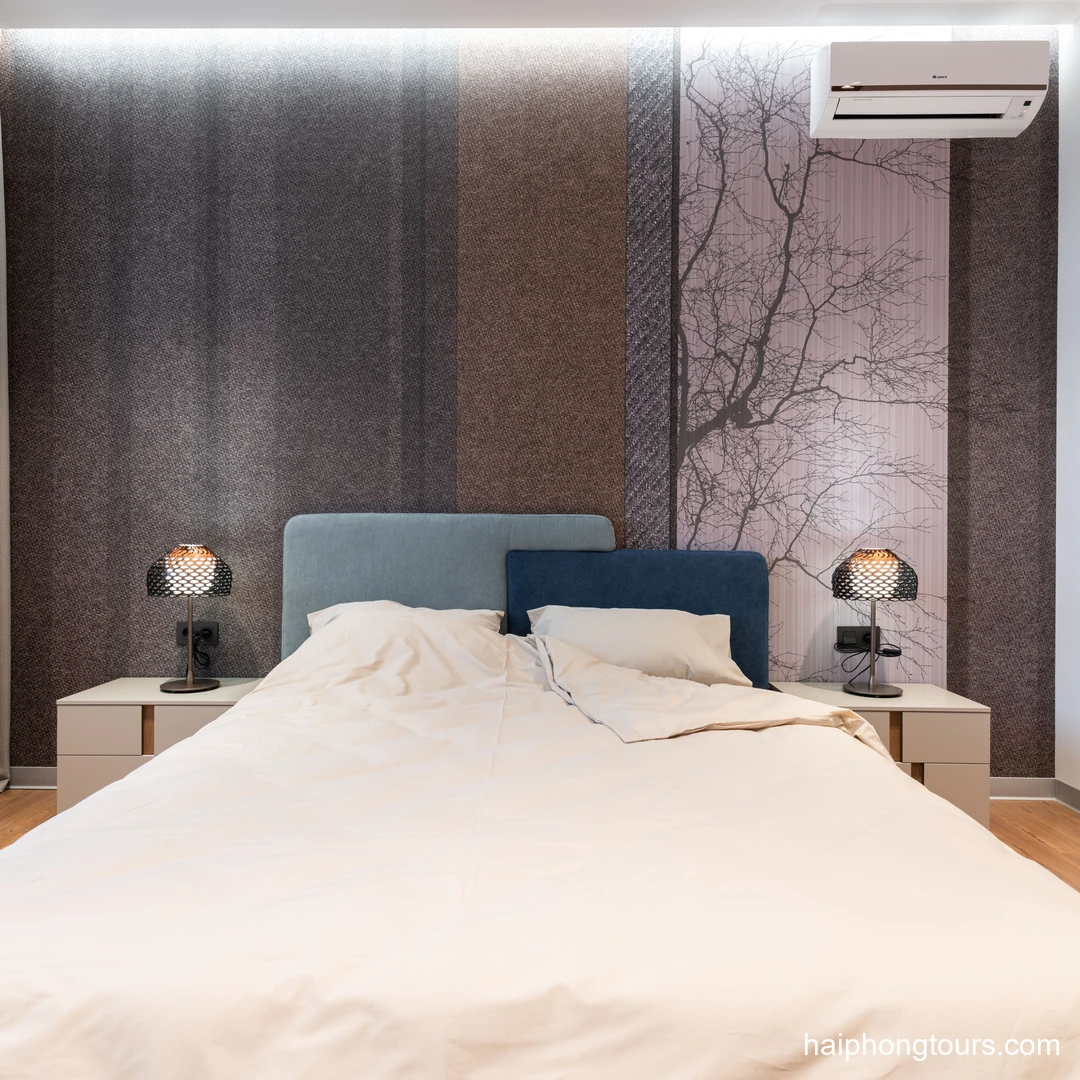
For a western stay, Panhou publishes walk-in showers and heating/cooling in its Superior and Deluxe categories. Hoang Su Phi Lodge describes private bathrooms and hot showers in ridge bungalows. These are useful concrete features to compare; neither description alone proves that the path from the car is level.
Ask for the room category, not only the property name. A hotel can have a large difference between an entry room, a hillside bungalow and a suite. If a proposed category is unavailable, require the substitute to meet your essential features rather than merely carry a similar marketing name.
Reduce the route before upgrading everything
Use the Ha Giang route guide to identify which stops require substantial extra travel. A comfortable itinerary should not depend on reaching every listed viewpoint. Choose the places you most want to understand and allow time there.
For example, spending an unhurried afternoon in Dong Van can be preferable to arriving late after several optional detours. In Hoang Su Phi, staying around Thong Nguyen for walks and tea avoids repeatedly crossing to distant terrace areas just because they appear in the same regional guide.
If you want both the plateau and western terraces, give the transfer between them its own place in the schedule. An additional base changes the entire trip’s rhythm. It should earn its travel day through activities you actually want, not simply add another accommodation name.
Choose a base-stay programme when it fits
Panhou distinguishes a programme returning to the retreat from one that sleeps in a village on the walking route. That is a more meaningful comfort choice than comparing two promotional descriptions of “cultural immersion”. One keeps a familiar room; the other makes the overnight village stay part of the experience.
Request the daily walking requirements even for a programme described as gentle. A walk with several hours outdoors and sustained ascent can be rewarding without being a low-effort activity. Choose a shorter alternative if your main goal is scenery and conversation rather than walking distance.
The Hoang Su Phi guide helps you choose a base, while the accommodation should confirm its actual meal times, guide arrangements and access. Keep the regional arrival transfer separate from any local walking package unless both are expressly included.
Make arrival and departure comfortable too
Schedule the first day according to how you arrive. After a long flight or overnight bus, a shower and proper rest may be more valuable than an immediate departure. Reserve the room for the hours required, especially when arrival precedes normal check-in.
At the end, leave time for a meal, luggage collection and a change of clothes before an onward service. Do not turn the final mountain day into a race to a bus or flight. A final night in Ha Giang or Hanoi may provide a much more useful margin than an expensive vehicle upgrade.
Confirm the standard and the fallback
Before payment, have the room categories, vehicle, main route and replacement arrangements written together. Ask what happens if a road closure changes the overnight place and which essential features the replacement will preserve.
Treat comfort as a set of clear decisions you can assess before travelling, then leave enough free time to enjoy the result.
Useful guides for your trip
Would you like help fitting this experience into your trip? Contact us with your travel dates, starting point, available time and group size. Tell us about walking limits or special interests so we can suggest a practical itinerary.