
The most memorable way to travel from Sapa to Dien Bien Phu is not necessarily the fastest. Slow the journey down and the mountain pass, a highland market, a reservoir town and the historic Muong Thanh valley become different chapters rather than scenery through a bus window.
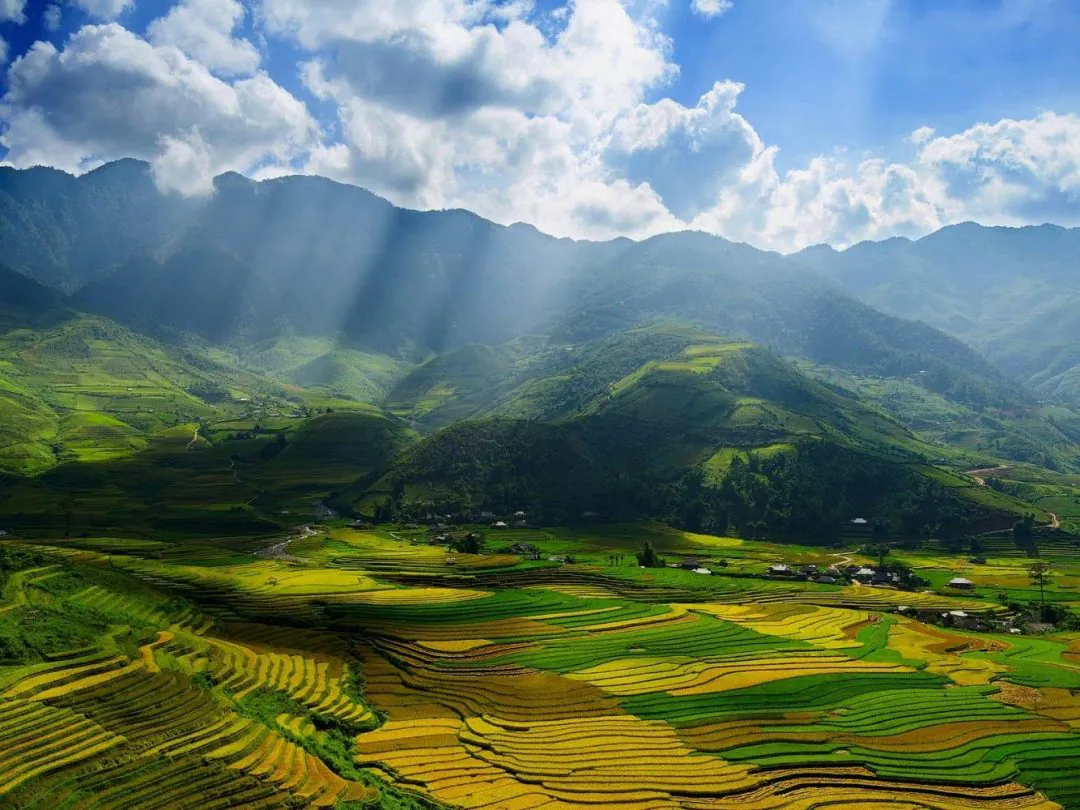
Allow five to seven days after Sapa for a staged northwest journey through Lai Chau, an optional Sin Ho overnight, Muong Lay and Dien Bien Phu. A car with an agreed daily itinerary gives the most control over stops. Public transport can connect the principal towns, but each leg and the final transfer to your accommodation need separate confirmation. This is a road itinerary, not a promise of a continuous tourist-bus circuit.
Choose the journey before choosing the vehicle
If the objective is simply to reach Dien Bien Phu, use the direct Sapa to Dien Bien Phu transport guide. Adding several overnight stops costs more and takes longer; its value is time outside the vehicle.
This slower route suits travelers who enjoy ordinary towns, regional food and landscapes without an attraction at every bend. It is less suitable if every night must have a resort, English-speaking reception and a long restaurant menu. A comfortable hotel in Lai Chau and another in Dien Bien Phu can bracket simpler accommodation in between.
| Your priority | A sensible version | What to leave out |
|---|---|---|
| A first northwest road trip | Six days: Lai Chau, Sin Ho, Muong Lay and two Dien Bien Phu nights | Remote frontier extensions |
| Less winding-road exposure | Five days with Lai Chau and Muong Lay, then Dien Bien Phu | The extra Sin Ho ascent and descent |
| Markets and village time | Seven days, with two nights in one chosen base | A different hotel every night |
| History rather than scenery | Transfer more directly and spend the saved days in Dien Bien Phu | Stops added only to complete a map |
A six-day route that leaves room to enjoy the stops
Day 1: Sapa to Lai Chau across O Quy Ho
Leave after a proper breakfast and make the pass crossing the main event of the morning. Agree photo stops before departure, including the difference between a safe roadside pull-in and a separately ticketed viewpoint. Low cloud can hide the view completely; there is no benefit in waiting indefinitely beside a busy road.
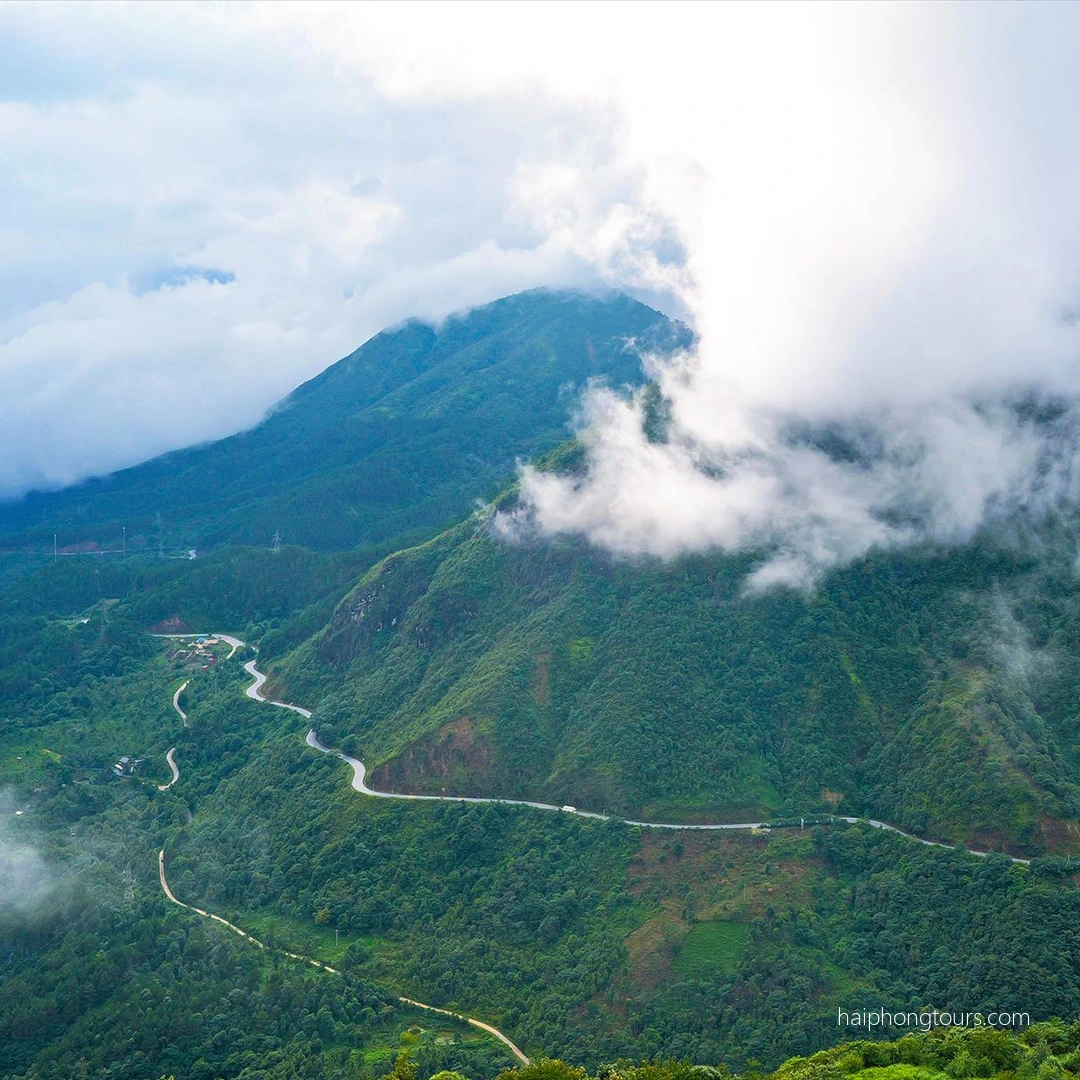
On the Lai Chau side, choose one short stop around Binh Lu or Tam Duong, not a waterfall, a cave and a mountain village all together. The Binh Lu and Tam Duong route-choice guide explains the different branches. Continue to Lai Chau with daylight left for checking in, finding dinner and confirming the following day’s road conditions.
Day 2: Lai Chau to Sin Ho, if the plateau is a priority
Make this a change-of-base day rather than a city tour followed by a late departure. Carry snacks and a waterproof layer in the passenger cabin. Ask the driver which plateau approach is suitable that day and agree where a meal and toilet stop will be possible.
If the Sunday market is your reason for visiting, arrange this as a Saturday arrival. On another weekday, decide whether the plateau landscape and an arranged local outing justify the diversion. Read the Sin Ho overnight guide before reserving. Sin Ho and Sin Suoi Ho are different destinations; sending the wrong name to a driver can produce an entirely different trip.
Day 3: Sin Ho to Muong Lay
Leave room for the market or a short morning outing, then travel to Muong Lay. Do not make a particular descent road part of a non-refundable promise: the driver should select the usable route after local checks. A road that looks shorter on a map can be a poor choice after heavy rain or maintenance work.
Plan to arrive at the accommodation before any reservoir activity. A boat outing requires its own boarding place, operator and return time. It is not an automatic continuation of the road transfer. The Muong Lay guide covers village stays and locally arranged reservoir experiences.
Day 4: Muong Lay to Dien Bien Phu
Use the morning for whichever Muong Lay experience was not practical on arrival. A relaxed village breakfast may be a better choice than starting a boat trip that leaves the onward drive rushed. Confirm whether lunch will be before departure or on the road.
In Dien Bien Phu, check in and keep the first evening light. The historic sites deserve attention, not an exhausted sprint from the car to a closing ticket counter. Select a restaurant using the Dien Bien food guide and leave the main historical visit for the following morning.
Day 5: Give Dien Bien Phu a full day
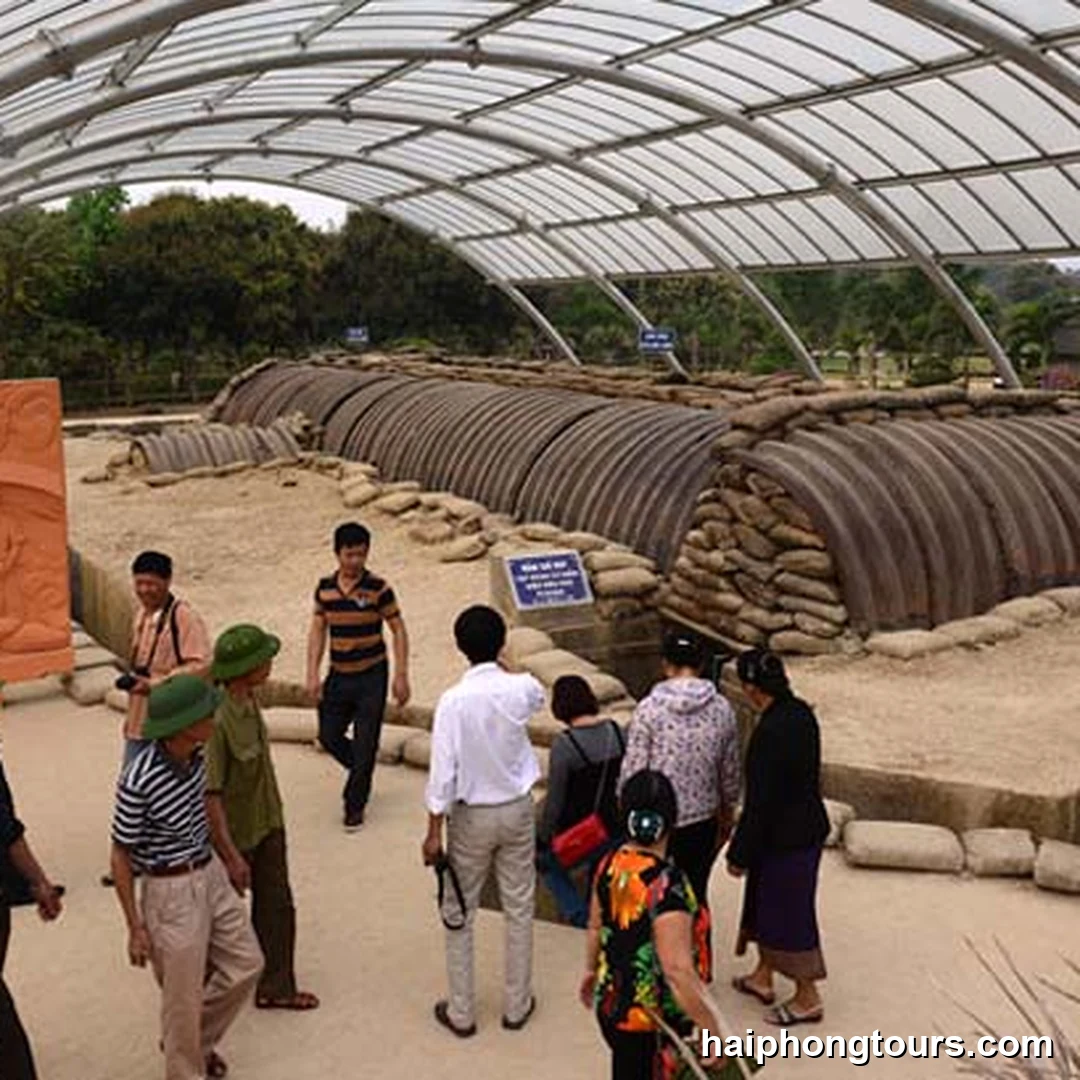
Build a focused historical day rather than counting monuments. The museum provides context; the battlefield sites then make more sense. Allow rest and food between them, especially in hot weather. Use the Dien Bien Phu travel guide to choose the combination that fits your interests.
Day 6: Depart, or add the seventh day
For a short version, depart after an unhurried breakfast. For seven days, add Muong Phang and Pa Khoang or another full city day before leaving. Keep the Muong Phang and Pa Khoang outing separate from a tightly timed airport transfer.
How to arrange the vehicle without buying the wrong service
A point-to-point car quote and a six-day touring quote are different products. Send a night-by-night list with the accommodation names, passenger count, luggage and requested side trips. Ask whether the quoted amount includes the driver’s overnight expenses, fuel, road charges, parking, waiting and the final drop-off.
For Sin Ho, request confirmation of the intended approach and onward route close to travel. For Muong Lay, keep boat arrangements on a separate line. An English-speaking guide is another explicit inclusion; a safe, experienced driver does not necessarily provide historical interpretation or translation at a family meal.
If traveling by bus, reserve accommodation that can explain the last-mile transfer. Do not assume a bus advertised between provincial capitals stops at a particular village or waits while you visit a market. Use the separate Lai Chau to Sin Ho and Lai Chau to Dien Bien Phu guides for leg-specific booking checks.
Keep the map from creating avoidable detours
Modern Lai Chau city is not the old Lai Chau town now associated with Muong Lay. They are separate overnight choices. Likewise, a Da River reservoir excursion in Muong Lay is not interchangeable with one departing from Muong Mo near Nam Nhun.
Add Nam Nhun only if its temple or lake experience is a real priority, with the receiving host and the extra night resolved. Farther frontier destinations such as Muong Nhe and Thu Lum need their own preparation; they are not casual afternoon additions to this route.
Budget by components, not a misleading daily average
Ask for three totals: intercity transport, accommodation, and optional experiences. Then add meals and a contingency. Solo travelers can find the transport portion disproportionately expensive because a vehicle is usually shared by the party, not charged like a bus seat.
A useful comparison is the cost of adding one extra night against the cost of compressing two sightseeing days into one long vehicle day. The extra night may give better value, particularly when it avoids a late mountain arrival. Agree cancellation terms for both transport and activities rather than assuming a canceled boat trip cancels the hotel too.
Rain, fatigue and the final connection
Leave at least one adjustable half-day in the itinerary. After sustained rain, request a route update from the next accommodation as well as the driver. If a road is restricted, change the stop sequence or stay put; do not ask for an unofficial bypass.
Keep the final overnight in Dien Bien Phu before a flight or a cross-border departure. Check the actual operating flight on your date before building the entire trip around the airport. Continuing to Laos is a separate document and transport decision, covered in the Tay Trang border guide.
For help turning these stops into a realistic route, send Hai Phong Tours your starting point, available nights and onward booking. Include whether a market, village stay or battlefield history matters most so the route can be shaped around your interests.