
Lai Chau is useful precisely because it does not demand a busy sightseeing schedule. After a winding drive from Sapa, it offers a place to sleep properly, eat locally and decide whether the next day belongs to a cave, a village or the road farther west.
Stay one night in modern Lai Chau city as a comfortable transit stop, or two nights if you want one substantial outing without moving your luggage. Treat the city as a base with a few easy urban stops, not as a compact old town where every attraction is within walking distance.
First, make sure you are booking the right Lai Chau
The present city area of Lai Chau and the historic settlement associated with today’s Muong Lay are different places. A description of an old riverside Lai Chau town may refer to the latter. For a hotel booking, send the property name and a map pin, not simply “Lai Chau.”
Names around the province can also mislead. Tam Duong Tea is a city-view café destination; it is not a promise of an all-day tea-factory tour. Sin Ho is a plateau destination, whereas Sin Suoi Ho is a separate village excursion. Binh Lu and the former Tam Duong town sit on another part of the Sapa approach.
These distinctions matter when comparing prices. A driver quoting a short city outing may not be including a mountain village several turns beyond the urban roads.
Arrival: settle the last few kilometres in advance
For an arrival from Sapa, check the Sapa to Lai Chau transport guide. Ask whether the service ends at a bus station, roadside office or your hotel. Those are not interchangeable, especially with suitcases or a late arrival.
If your ticket identifies the provincial central passenger bus station, show the hotel the Vietnamese name, Bến xe khách trung tâm tỉnh Lai Châu, and the operator’s drop-off pin. Arrange a hotel car or a clearly identified taxi if necessary. Do not plan on carrying heavy luggage along unfamiliar roads simply because the destination looks close on a small map.
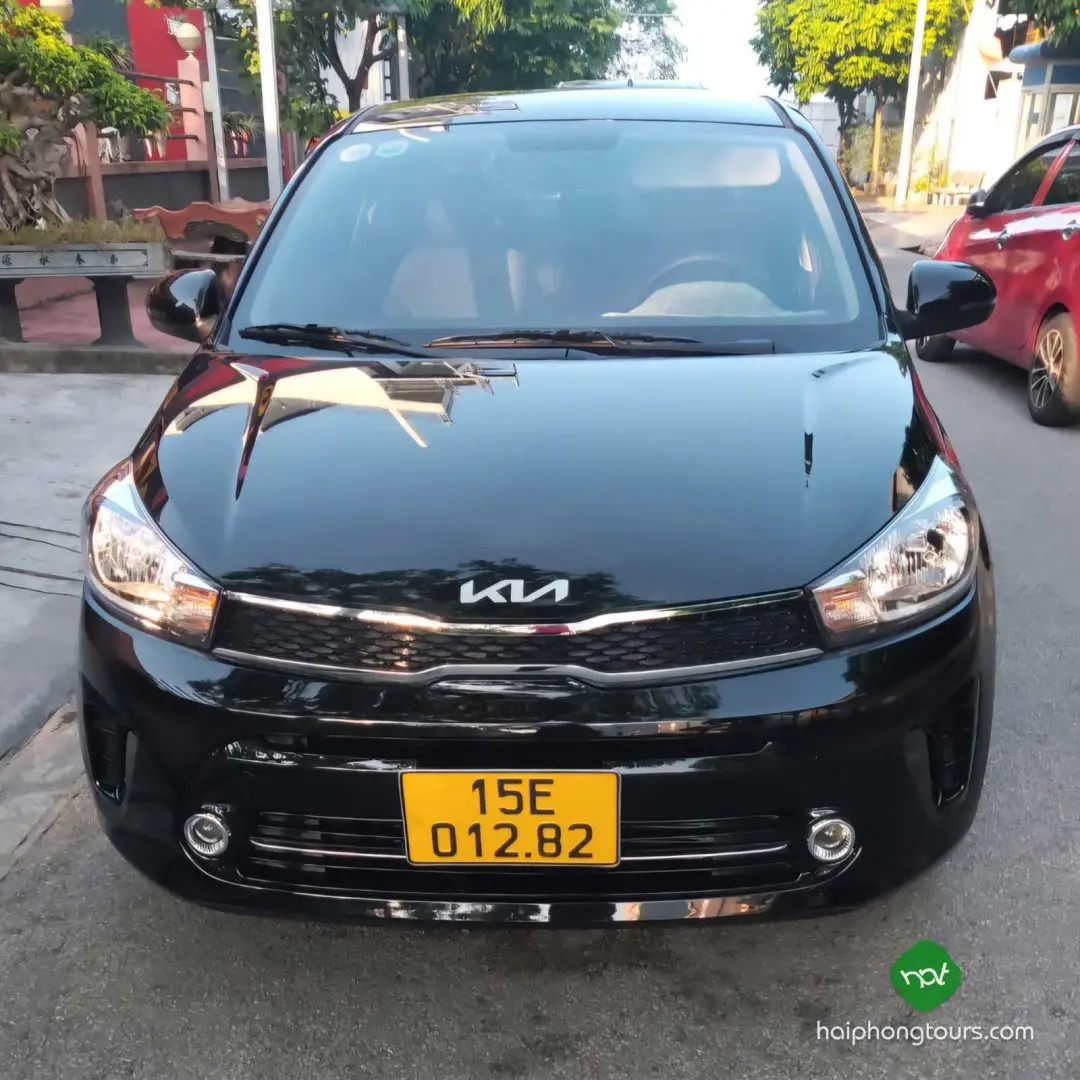
For a pre-dawn arrival, reserve the room from the previous night if immediate access is essential. A booking for the arrival date alone usually needs a separate early-check-in agreement. Confirm reception will be staffed when you reach the property.
Where to stay for a practical base
Choose the hotel around the trip you are actually making. A central room with breakfast and a reliable pickup point is useful for two daytime excursions. A less central property can still work if meals and transport are arranged, but a low room price may be offset by extra taxi journeys.
Two useful address anchors are Muong Thanh Lai Chau, 113 Lê Duẩn, and Hoang Nham Luxury, 69 Điện Biên Phủ. The second address is a street in Lai Chau, not a hotel in Dien Bien Phu city. Compare the practical differences in the Lai Chau hotel guide, then verify room type and availability for your dates.

For families, request a photograph or written description of the actual beds. “Family room” does not necessarily mean two bedrooms. Travelers who need step-free access should ask about the path from vehicle to reception, lift access and the bathroom, not just whether the hotel has a lift.
What works within the city
The province’s published city-tour route groups the central square and monument, Ho Thuong and Ho Ha park areas, local-product shopping and a city-view tea stop. This is a useful outline for a light orientation, not a requirement to visit every location.
On arrival day, choose one park or square area and a meal. On a clear morning, a viewpoint café may be more rewarding. Avoid scheduling a sunset stop as a certainty: cloud, rain and the angle of light can change the experience completely.
For the tea stop, use the Tam Duong Tea city-view guide. If you are interested in agriculture rather than a café, say so explicitly when arranging an outing. A plantation visit requires a different destination and a host willing to receive visitors.
Give one day to one main excursion
| What you want | Choose | Check before leaving |
|---|---|---|
| A shorter nature outing | Pu Sam Cap caves | Open visitor section, steps and return pickup |
| Village life and a locally hosted meal | Sin Suoi Ho | Host, guide language and meal arrangement |
| A slower cultural stay | Lao Chai 1 in Khun Ha | Whether an overnight is better than a return day trip |
| Tea landscapes farther along the road | Tan Uyen tea hills | Receiving farm, road routing and onward plan |
Resist combining a cave with two distant villages merely because a seller can list them in one message. A useful day has time for the activity, lunch and a conversation. Ask for the expected driving blocks separately from the visit durations.
The provincial tourism portal lists Pu Lai Chau Travel for city outings, with an office at 46, Khu Trung tâm thương mại, Tân Phong, Lai Châu. This is a starting point for requesting a dated local quote, not evidence that an English-speaking shared departure runs every day. Ask who will guide, where pickup occurs and which entrance fees are included.
San Thang: choose the market session you actually want
San Thang is on the QL4D side of the city in the Tan Phong area. Its Saturday-evening night market offers a food-focused visit; the provincial listing describes the liveliest period around 20:00–22:00. Check that week’s session rather than assuming an event is unaffected by weather or holidays.
A night-food outing and a daytime working market are different experiences. Use the San Thang market guide to match the visit to the correct session. Arrange a return ride if the market is not comfortably walkable from your hotel.
Carry small notes, ask the price before ordering and clarify whether a dish is a single portion or a shared plate. If you avoid an ingredient, have the hotel write that request in Vietnamese. A photograph of the ingredient with a clear “no” can help, but it does not replace checking with the cook.
A useful two-night plan
Arrival afternoon and first evening
Check in, eat and settle the next day’s transport. Walk near one chosen urban landmark rather than trying to cover the whole city. If it is Saturday and you have energy, leave the evening for San Thang; otherwise choose a normal restaurant near the hotel.
The full day
Take one of the excursions above with a pre-agreed lunch and return time. Keep the latter part of the afternoon flexible for a café, laundry or a rest. This is also the moment to reconfirm the onward driver or bus, while hotel staff can still help resolve a change.
Departure morning
Have breakfast before leaving if the next stage enters the mountains. Fill water bottles, obtain cash and download the accommodation pin. For a village overnight, ask whether your bag should remain at the city hotel and whether storage is available after checkout.
Practical limits worth planning around
Carry enough cash for small restaurants, village meals and incidental transport, even if the city hotel accepts cards. Do not assume every village has an ATM or that a bank transfer available to a Vietnamese customer will work for a foreign visitor.
For a car outing, agree waiting time and whether the driver will remain with the vehicle. For a guide, specify English if that is what you need. For dinner after a late return, ask the hotel to check a kitchen’s actual closing time rather than relying on an online listing.

A wet day is a good reason to reduce the excursion, not automatically to replace it with a cave. Slippery approaches, steps or access restrictions can affect caves too. Ask the receiving site what is open and choose a city day if conditions are poor.
Continue west, return to Sapa or change direction
Continue to Sin Ho if the plateau is part of your plan, or use Lai Chau as the starting point for the slower road journey toward Muong Lay and Dien Bien Phu. For a return east, check the Lai Chau to Sapa transport options.
If you want help deciding whether Lai Chau needs one night or two, contact Hai Phong Tours with your previous stop, next destination and preferred outing. That makes it possible to discuss the whole journey rather than sell an extra hotel night without a purpose.