
If a Hanoi Metro card, paper ticket, or QR is rejected at the gate, stop after the failed attempt and move aside without blocking other passengers. Keep the ticket or card, note whether the failure happened at entry or exit, and ask uniformed station staff or the ticket counter to diagnose it. Do not keep tapping, force the barrier, or follow another person through.

A rejection can have several causes, and the gate display alone may not explain which one applies. Hanoi Metro’s passenger guidance directs travelers to station help when a ticket is rejected. Staff need the actual ticket and journey state before you buy a duplicate or assume that the payment failed.
Preserve the evidence at the gate
Keep the rejected item in your hand and take a quick note of the station, gate area, time, and message or light shown. If it is safe and does not obstruct the queue, a photograph of the error display can help you remember it. Do not photograph other passengers or restricted equipment.
State whether you are trying to enter or exit. That distinction matters because the system may be checking a new journey at entry or trying to close an existing journey at exit. Also tell staff whether the item is a paper ticket, metro card, QR, or eligible bank card.
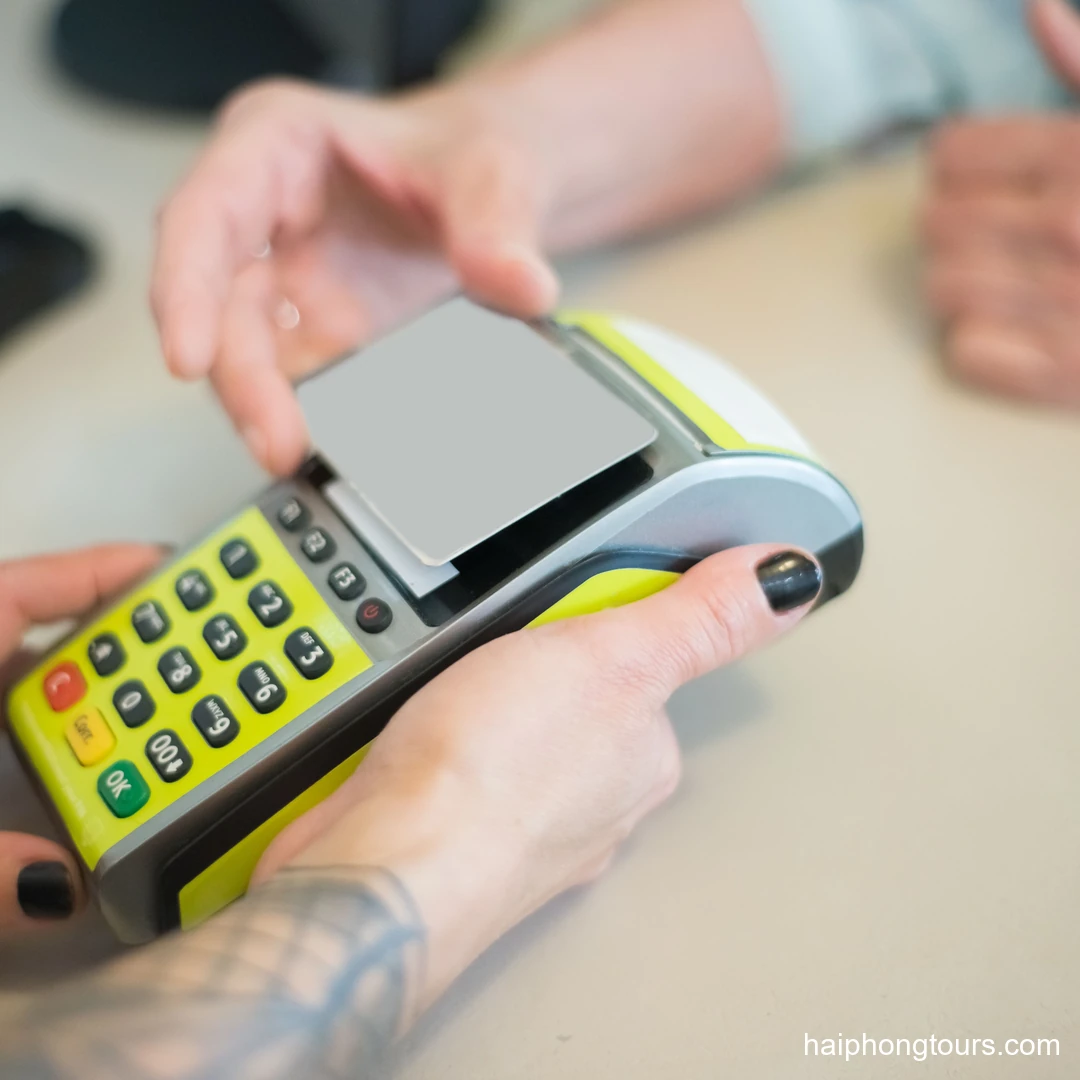
Move to the staffed solution
Step away from the active gate and look for uniformed staff or the ticket counter. Keep children, companions, and luggage together. Do not pass the ticket back through the gate or give it to a stranger offering to test it.

Use a short explanation: “This was rejected at entry/exit at this station.” Show the ticket and the error. Add the origin or intended destination when asked. If you entered through a different medium, say so; mixing a bank card at entry with a QR at exit can create an incomplete journey record.
Let staff identify the failure state
Ticket or QR problem
A paper ticket can be damaged, used for a different destination, or hold a journey state that requires counter help. A QR may be unreadable because the screen is dim, cracked, enlarged incorrectly, or displaying the wrong code. Clean or brighten the screen only if staff asks; repeated scanning will not correct the underlying ticket state.
Card journey-state problem
A reusable card may have an incomplete previous journey, insufficient value, or another status that the counter must inspect. Do not discard it or immediately buy a new card. Preserve the original medium so staff can see the relevant record.
Bank-card problem
A bank card can involve activation, verification, collection, or account restrictions outside the normal metro ticket workflow. Station staff can identify whether the gate has accepted the transport transaction, but they may not be able to unlock a bank account. Use the bank’s verified channel for banking status after the station identifies the issue.
Avoid duplicate purchases
Do not buy another ticket before staff decides whether the original can be corrected or adjusted. A duplicate may create two separate journeys and make a refund or explanation harder. If staff instructs you to obtain a replacement, ask what to do with the rejected item and keep any receipt.
If you are traveling in a group, each traveler should keep the ticket or card used for that person’s entry. Swapping media between people can make it difficult to match entry and exit records.
Protect your schedule without bypassing the gate
Tell staff if a fixed connection is approaching, but do not use urgency as a reason to force access. Recalculate the journey after the issue is diagnosed. Include the time required to correct the ticket, reach the platform, wait, ride, and walk at the destination.
If the delay makes the metro unsuitable, complete any required correction before leaving the paid area and ask for the proper exit procedure. Then use a safe alternative from a normal pickup point. Never climb a barrier or enter a restricted staff passage.
Hai Phong Tours recommends keeping a ticket fault separate from any later booking. Notify the other provider only with a realistic arrival update; it cannot validate a municipal metro card or QR on behalf of Hanoi Metro.
Keep payment information private
Show only what verified station staff or the bank needs. No stranger requires your PIN, online-banking password, full card photograph, or one-time code. When using a banking app, keep the screen under your control and contact the bank through its official app, website, or number.
If the rejected item is on your phone, avoid handing over the unlocked device. Display the ticket screen and follow staff instruction while retaining possession whenever possible.
Use the correct recovery for entry and exit
Rejected at entry
Do not enter through another gate until staff has checked whether the journey started. A second attempt with a different payment medium may create uncertainty. After the issue is resolved, use the gate and ticket staff identifies.
Rejected at exit
Remain inside the paid area near the staffed assistance point. Explain the origin, ticket medium, and intended destination. If the journey exceeded the selected station or available value, follow the counter’s current fare-adjustment process rather than treating the rejection as a penalty.
Final gate-recovery checklist
- Stop repeated taps or scans.
- Keep the original ticket, card, QR, or bank card.
- Record entry or exit, station, time, and visible error.
- Move to uniformed staff without blocking the gate.
- Wait for diagnosis before buying a duplicate.
- Protect banking and identity data.
- Use only the instructed gate or alternative.
A rejected gate is a ticket-state problem, not an invitation to improvise. Preserve the evidence and let station staff identify the correction. That is safer and usually clearer than repeated tapping, tailgating, or replacing the ticket before anyone has inspected it.
Useful guides for your trip
Would you like help fitting this experience into your trip? Contact us with your travel dates, starting point, available time and group size. Tell us about walking limits or special interests so we can suggest a practical itinerary.