
Do not judge Capella Cruise accessibility by the elevator alone. Before booking, ask for an accessible cabin, obtain written doorway and bathroom dimensions, and have Capella explain the boarding method, every launch or anchorage step and the companion rule for moving around the vessel. The published terms say facilities for disabled guests are limited, accessible cabins depend on availability, and wheelchair users cannot be carried on launches at anchorage.
That makes this a cabin-and-boarding decision, not a general question about whether the ship is “accessible.” Capella’s facilities page describes an elevator across a five-floor layout, but an elevator does not prove that every cabin, deck, launch, tender, shore activity or bathroom is step-free. A wheelchair user should match the complete trip sequence to their own chair, transfer ability and need for assistance before money is committed.

Start with the cabin, not the brochure
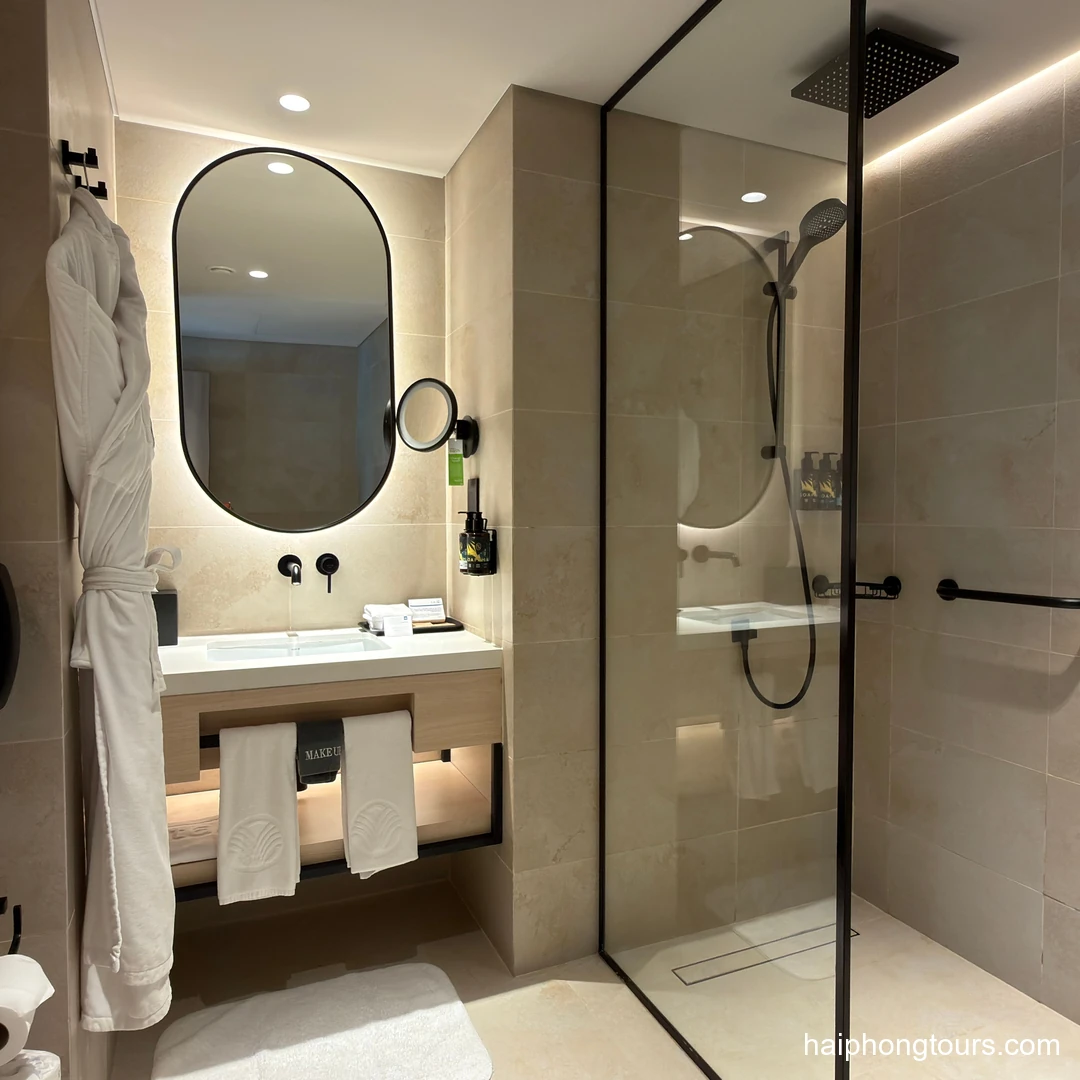
Tell reservations about the mobility need before booking and request an accessible cabin specifically. The terms say accessible cabins are subject to availability and should be requested at booking. Do not assume that a cabin described as spacious, a suite or a family room has the dimensions you need. Ask Capella to provide the doorway width, bathroom entrance, turning space and any threshold information in writing for the exact cabin being considered.
Describe the equipment accurately. Give the chair’s width, length and weight when relevant, and explain whether the guest can transfer independently or needs another person. If the chair folds, say so, but do not assume that folding solves a narrow doorway, bathroom threshold or storage problem. Ask where the chair can remain without blocking passageways and whether the cabin’s layout changes between the booking page and the sailing assignment.
A written dimension is more useful than a verbal “yes.” Keep the reply with the reservation and compare each number with the chair and the guest’s movement needs. If Capella cannot provide a measurement or says the answer depends on a cabin assignment, treat that as an unresolved booking condition rather than filling the gap with a brochure photograph.
Understand what the elevator does and does not solve
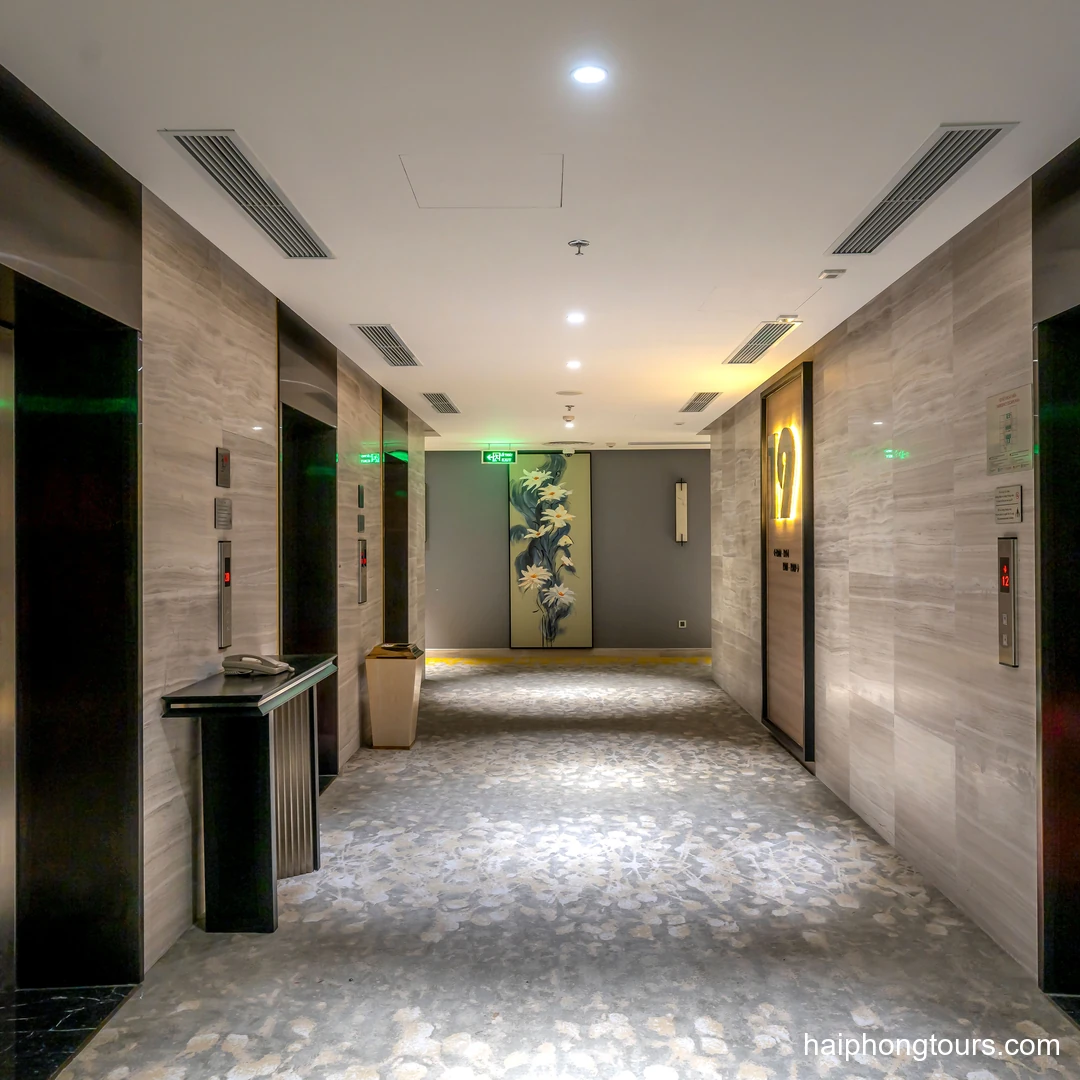
Capella publishes an onboard elevator serving a five-floor layout. That can reduce the number of stairs between some decks, but it is only one part of the route. Ask which decks and public facilities are reached by the elevator, whether the selected cabin is on the same accessible path, and whether the restaurant, pool, sun deck or activity area has a step or narrow passage outside the elevator.
Do not convert the elevator into a promise that the whole cruise is step-free. The official facilities information describes onboard features such as restaurant and leisure spaces, while the terms warn that disability facilities are limited. A guest may be able to reach a public room but not use its furniture, bathroom or activity equipment comfortably. The decision should be based on the guest’s complete route and not on the presence of one lift symbol.
Make launches and anchorage the central question
The most important restriction is explicit: wheelchair users cannot be carried on launches at anchorage. If a planned day includes an anchorage, launch transfer or shore activity reached by launch, ask Capella whether the guest can remain onboard and what access is available without that transfer. Do not plan to board by lifting a chair, improvising a transfer or relying on another passenger. The terms do not authorize those solutions, and a writer should never turn them into instructions.
Ask for the launch and anchorage sequence for the exact sailing, because a general itinerary description may not show every physical step. Clarify where the guest boards, whether the ship is alongside or at anchor, and which advertised activities require leaving the vessel. Get the answer in writing, then mark each activity as usable, usable only with a companion or not suitable. If the operator cannot answer the sequence, the excursion decision is not ready.
Check the companion rule
Capella’s terms state that a wheelchair user must have another guest accompany access to other areas. Treat this as a planning requirement, not as optional customer service. Name the companion before sailing, decide which tasks that person can realistically handle and make sure the arrangement does not depend on a stranger or crew member being available at a particular moment.
The companion rule does not prove that the companion can lift, push or provide medical care. Ask only what the terms and reservations team can confirm: which areas require accompaniment, whether the companion needs to be present for boarding or activities and whether the cabin can accommodate both guests’ normal movement. If the guest travels alone, ask Capella whether the booking can proceed with the available facilities; do not assume the operator will assign a personal aide.
Use a written access worksheet
Before paying the balance, record the exact cabin, doorway and bathroom measurements, elevator reach, boarding method, anchorage limitation and companion requirement. Add the guest’s chair dimensions and the activities that matter. A simple “yes/no” sheet can expose a mismatch earlier than a long exchange:
- Cabin: accessible cabin requested and availability confirmed.
- Route: doorway, bathroom and threshold dimensions received in writing.
- Onboard: elevator route reaches the cabin and required public areas.
- Launch: anchorage restriction understood; no wheelchair launch boarding planned.
- People: named companion understands the accompaniment requirement.
Hai Phong Tours treats cruise accessibility and ground-transfer accessibility as separate checks. A vehicle that reaches a port cannot make a launch or cabin step-free, while an elevator onboard does not confirm an accessible route from a hotel to the pier. Keep the cruise’s written answers with the booking and ask the land-transport provider separate vehicle and pickup questions.
When the answer is not suitable
If an accessible cabin is unavailable, dimensions do not fit, the elevator does not reach the needed route or the sailing relies on a launch the guest cannot use, pause before final payment or before changing a flexible booking. Ask Capella whether a different cabin, sailing or onboard-only plan is possible. If the operator cannot provide a workable answer, choose a trip whose physical sequence matches the guest rather than relying on optimism at the pier.
Capella may still be a good choice for a guest whose needs fit the available cabin, elevator path and companion arrangement. It is not a sound choice merely because the vessel has an elevator. Verify the exact cabin, boarding method and launch plan in writing, then decide from the whole journey.
Useful guides for your trip
Need help choosing the cruise or coordinating the shore transfer? Contact us with your date, preferred route, group size and starting point. Tell us about any dietary, mobility or onward-connection needs before booking.