
If your Hanoi bus is temporarily diverted, do not begin by guessing where it will rejoin the normal route. Confirm the current notice, your travel direction, the stop you planned to use, and the stop where you need to leave the bus. Then rebuild the journey around stops that the current operator information still shows as served.
Check before leaving your hotel or attraction, and check again at the street if the stop display or traffic conditions disagree with the plan. Transerco’s official Tìm Buýt information can show routes, stops, timetables, frequency, and arrival information, while current operator notices may explain temporary route or stop adjustments. Treat each of those as planning evidence, not a promise that traffic will run normally.
Recognize a diversion before it becomes a missed stop
A diversion may first appear as a current operator notice, a route line that no longer reaches the expected street, a stop temporarily missing from the route view, or a physical stop notice. On the vehicle, the bus may turn away from the familiar path while still displaying the correct route number. None of these signs alone tells you where to board or leave; you need the direction and the effective notice.
Separate a diversion from a wrong-direction mistake. A bus traveling toward the opposite terminus can look like a detour for several stops. Compare the destination or terminus displayed for the vehicle with the direction saved in your plan. If that destination is wrong, use a safe wrong-direction recovery rather than trying to interpret the journey as a temporary diversion.
Run a four-part check before departure
1. Identify the exact service
Record the full route designation, including any letter suffix. Add the direction or terminus, intended boarding stop, and intended alighting stop. A route number without a direction is incomplete because the two sides may use different streets, stops, or temporary arrangements.
Use the current official route view and look for a dated Transerco notice. Read the effective date and determine whether the change concerns the whole route, one direction, a single stop, or a limited street section. Do not rely on an old screenshot merely because it shows the route clearly.
2. Confirm both ends of your bus leg
Check that the current information still lists a valid boarding stop you can reach safely. Then confirm the last reliably served stop before your destination and the first served stop after the affected section, if shown. Never invent a temporary stop between them.
For a connection, verify the second leg independently. A diverted first bus may leave you on another street, changing the walking path to the next stop. Similar stop names do not prove that the platforms are together or on the same side of a divided road.
3. Compare timing with the consequence of delay
Frequency and arrival information help estimate the journey, but they are not guaranteed departure appointments. Add time for walking to the confirmed stop, waiting, slower traffic around the diversion, and finding the revised interchange. A plan that only works if every listed arrival is exact is unsuitable for a fixed train, flight, tour, or timed entry.
Set a cutoff before you leave. If the route status remains unclear or the bus has not arrived by that time, switch to a verified alternative instead of repeatedly extending the wait.
4. Save enough information for the street
Keep the route number, direction, Vietnamese stop names, current notice, and destination address available offline. Transerco describes offline route lookup as an available feature, which can be useful when mobile service is weak, but refresh current information before going offline. A saved result can become stale after a later notice.
Verify the physical stop safely
Stand on the pedestrian waiting area, not in a traffic lane. Match the route number and direction on the stop information with the arriving vehicle. If a notice says the stop has moved, use only the replacement location identified through the operator’s current information or a uniformed transport worker.
Ask a precise question if the street evidence conflicts with the app: route, direction, current stop, and intended destination. Show the Vietnamese place name rather than asking whether the bus goes vaguely toward the center. Use the official support channel when staff are unavailable or the notice is unclear.
Hai Phong Tours recommends preserving the dated notice or current route view until the bus leg is complete, particularly when a later booking has a fixed reporting time. That record helps you explain which plan you followed without implying that a separate tour or transfer provider controls the municipal bus.
Rebuild the boarding and alighting plan
- Choose a confirmed boarding stop on the currently served route.
- Choose a confirmed alighting stop before or after the affected section.
- Check the walking path from that stop to the destination or interchange.
- Confirm that the path does not require an unsafe road crossing or access through a restricted area.
- Recalculate the arrival time with a disruption margin.
If the revised walking leg is long, poorly lit, difficult with luggage, or unsuitable for someone with limited mobility, reject it even if the bus route technically works. A safe taxi pickup point, a different verified bus stop, or another mode may be a better recovery.
Use a fallback that matches the risk
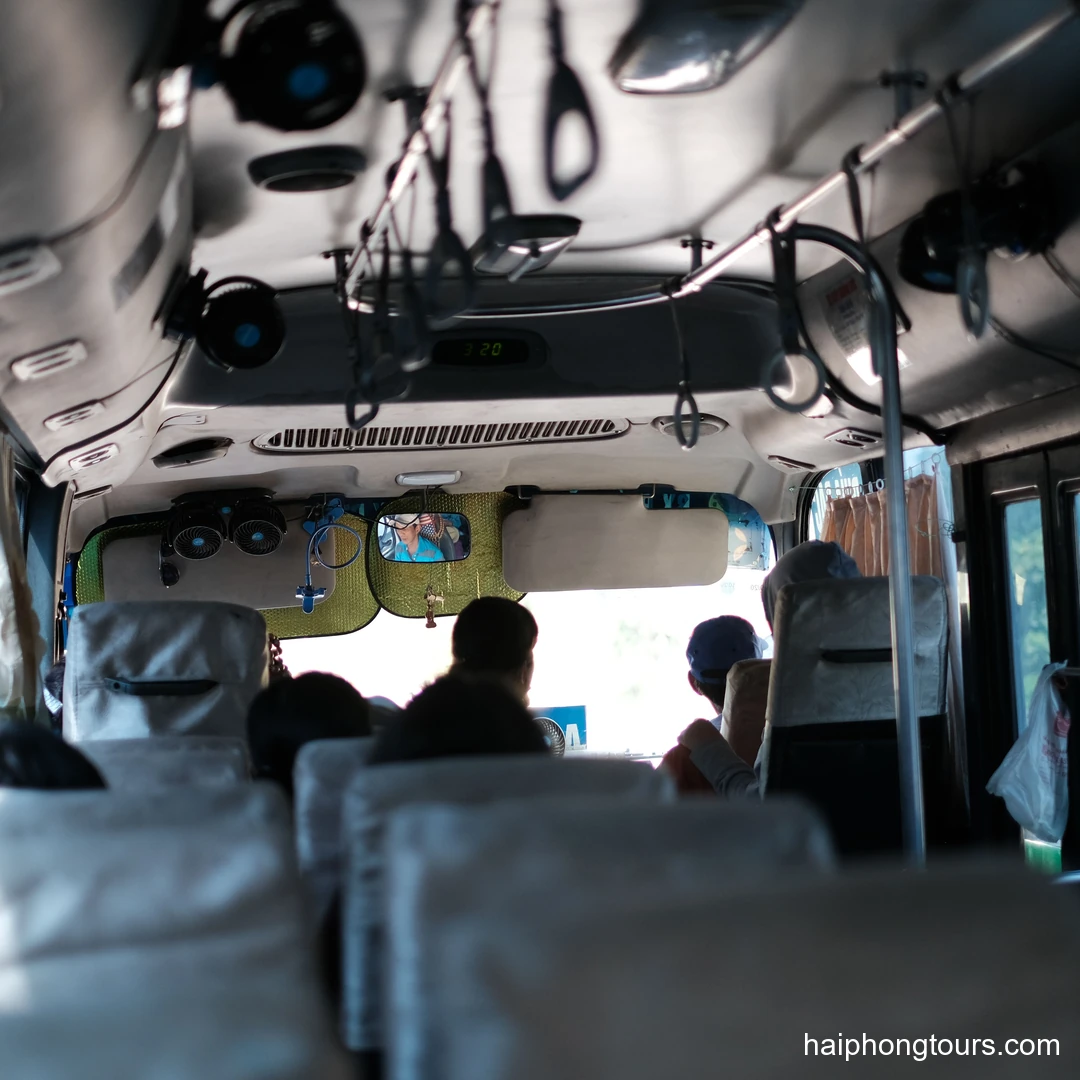
For a flexible visit, another verified bus route may be reasonable. Check its direction, boarding stop, operating window, and interchange rather than assuming it avoids the same disruption. For a fixed departure, decide early whether a licensed taxi or app-booked car gives a safer time margin.
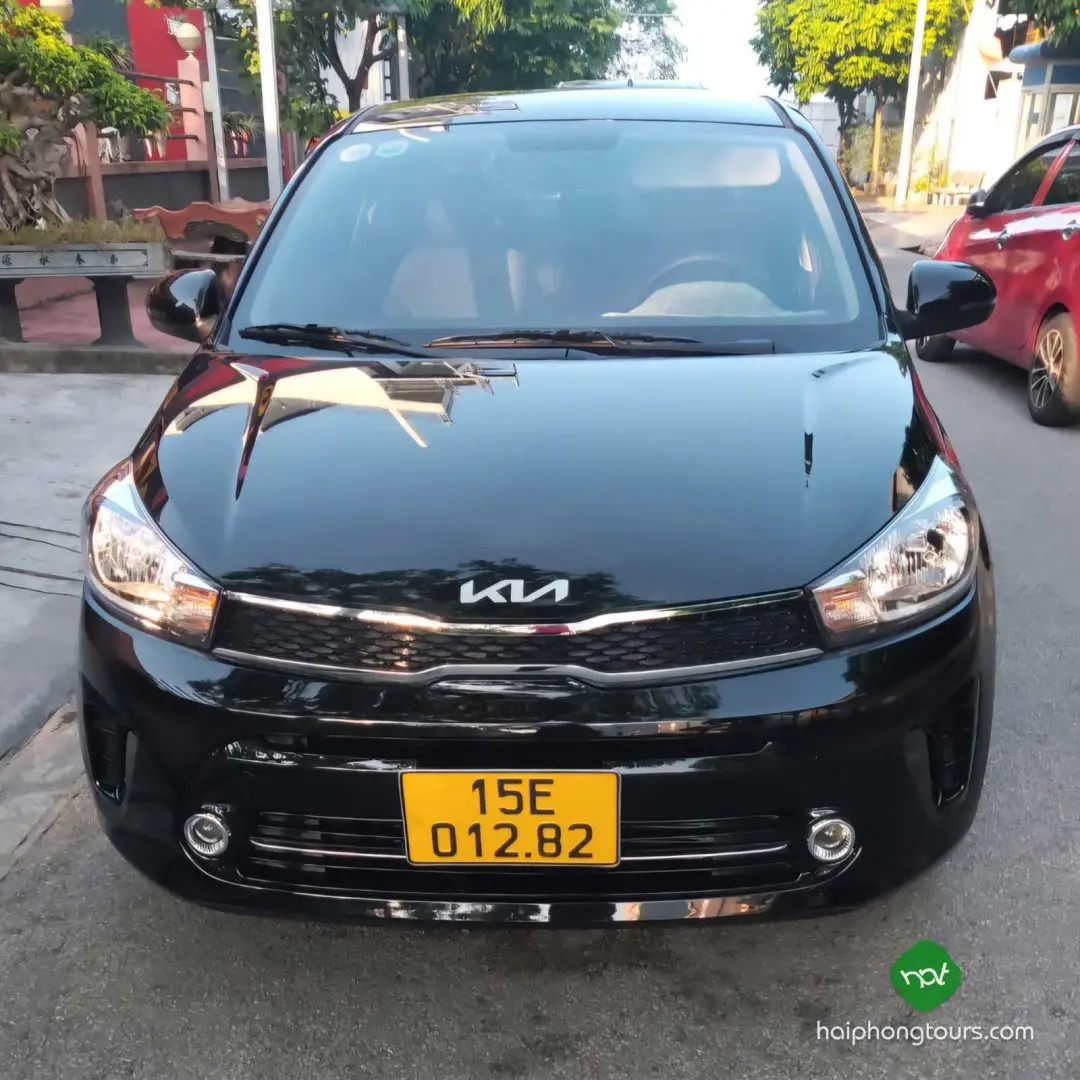
Keep luggage and children with you while changing plans. Do not cross a median, wait on the road, flag a bus outside a valid stop, or follow an unofficial person to an unmarked vehicle. If the area feels unsafe or the instructions conflict, move to a normal pedestrian space and contact the official operator channel.
Make the final decision
Continue by bus only when you can confirm the current direction, a valid boarding point, a served alighting point, and a safe onward path with enough time. Use the fallback when any of those elements remains uncertain or when the consequence of a missed connection is high.
A temporary diversion should remain temporary in your planning notes. Recheck it for every travel day, remove stale screenshots, and never describe an unsourced stop as part of the permanent route. The useful plan is the one supported by the current notice and the street conditions you can safely observe.
Useful guides for your trip
- How to pay for Hanoi buses: Cash, QR tickets and passes
- Hanoi Bus Stations: My Dinh, Giap Bat, Nuoc Ngam and More
Would a private transfer make this journey easier? Contact us with your travel date, exact pickup and drop-off, number of travelers and bags. Include any flight, train or cruise deadline so we can assess a suitable plan and quotation.
