
Replace the brochure time with a live shore estimate and keep the driver on an explicit update schedule. That is the central response to a delayed cruise tender. Do not solve the problem by guessing, walking between terminals or asking a driver to chase a moving group.
Cruise Tender Delay Driver Update planning begins when the vessel is ready to return but tender loading, navigation, port control or passenger movement delays the actual shore arrival. The cruise operator controls the vessel and shore process, while the booked transport provider controls the vehicle. A safe recovery joins those two verified instructions without pretending that either party can guarantee the other’s operation.
Immediate decision for a delayed cruise tender
- Stop the moving parts: for a delayed cruise tender, keep travelers and vehicles at identifiable, permitted positions.
- Collect current evidence: for a delayed cruise tender, use the onboard announcement, cruise manager estimate, tender sequence, shore terminal and time of the next promised update.
- Name one coordinator: for a delayed cruise tender, let one traveler speak for the group and one dispatch contact speak for the vehicle.
- Set an update time: for a delayed cruise tender, state when the next message will be sent even if there is no new answer.
- Protect the fallback: for a delayed cruise tender, act before waiting, change or cancellation deadlines expire.
Establish the facts before moving
In a delayed cruise tender, the operating vessel matters more than a familiar brand logo or an old map result. Compare the booking reference with the operator’s latest message, then ask staff to name the shore facility in plain language. “Ha Long” or “Tuan Chau” alone may be too broad for a driver instruction.
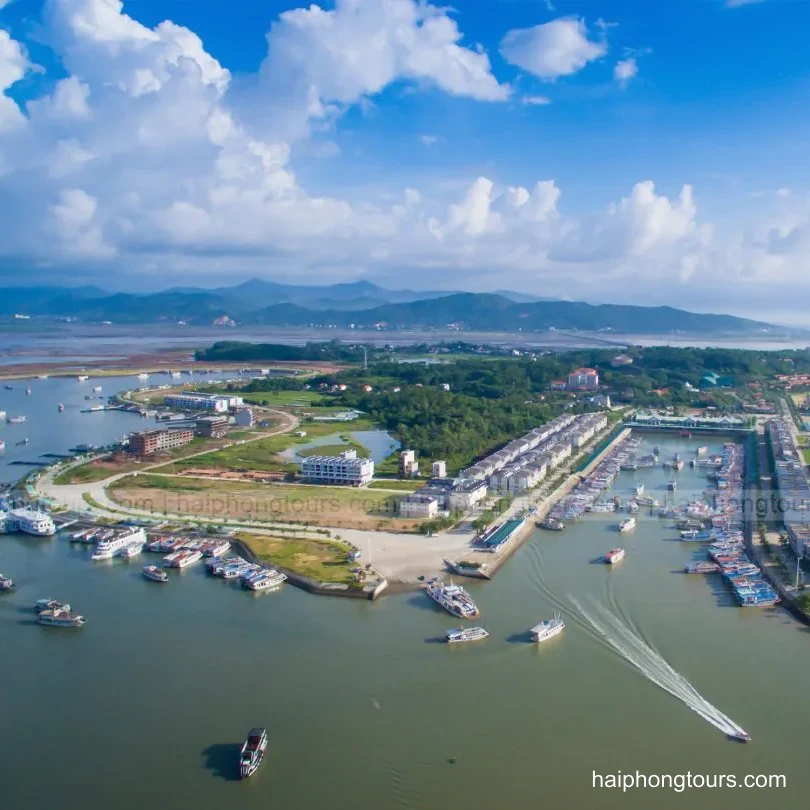
The evidence set for a delayed cruise tender should be small and usable: the onboard announcement, cruise manager estimate, tender sequence, shore terminal and time of the next promised update. Keep timestamps visible. Mark superseded messages so another group member does not revive an old instruction. Avoid sharing passport numbers, payment details or private medical information in a broad chat.
Step-by-step recovery procedure
- Step 1: Tell the driver that the published itinerary time is no longer valid.
- Step 2: Send the latest operator estimate and identify whether it is tender departure or shore arrival.
- Step 3: Confirm which tender carries the traveler or group.
- Step 4: Add time for landing, walking and luggage release.
- Step 5: Set a specific next-update time even when there is no new estimate.
- Step 6: Recalculate any fixed onward reservation from road readiness, not tender departure.
Keep shore arrival separate from road readiness
For a delayed cruise tender, a published checkout, brunch, tender or disembarkation time is not automatically the vehicle departure time. Road readiness comes after the correct shore point is reached, required bags or equipment are released, the full traveling party is present and the vehicle can legally collect them.
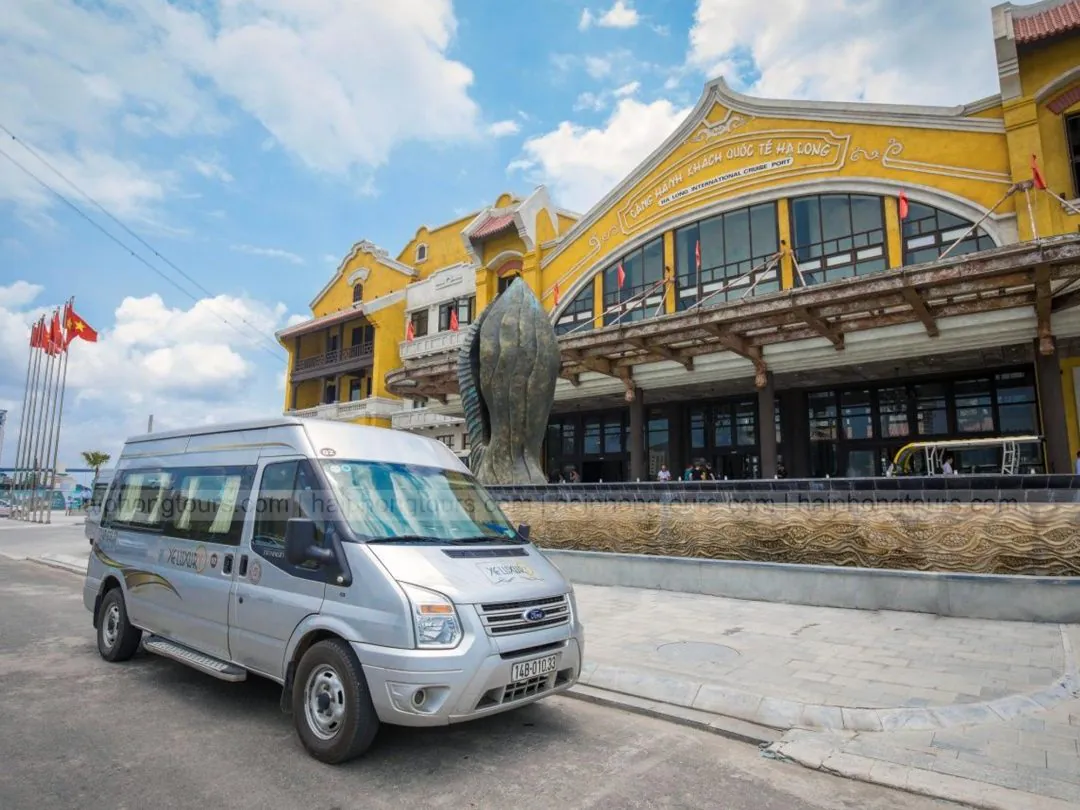
Official cruise itineraries illustrate why the distinction matters. Ambassador Cruise I, for example, publishes checkout before disembarkation at Halong International Cruise Port; Heritage Binh Chuan describes checkout and brunch before the return to Tuan Chau. In a delayed cruise tender, use the live operator update instead of converting an itinerary stage into a pickup promise.
Communication that prevents a second failure
A useful message about a delayed cruise tender states the booking reference, vessel, current fixed location, passenger and luggage status, problem, requested decision and next update time. Send the same essential message to the group leader and dispatch so that parallel conversations do not produce two different plans.
Hai Phong Tours treats a delayed cruise tender as a controlled handoff problem: verify the operator side, verify the vehicle side, and document the point where responsibility changes. This practical approach does not guarantee port access, a held vehicle, recovery of property or protection of an onward reservation.
What not to do
The main danger in a delayed cruise tender is treating an uncertain tender estimate as a guaranteed vehicle pickup time. Do not enter restricted areas, stand in traffic lanes, accept an unidentified vehicle, leave vulnerable passengers alone or pressure a driver to break access and road rules. Time pressure does not make an unsafe shortcut reasonable.
Do not assume that cruise staff can change a transport booking or that a driver can change the vessel’s shore process. In a delayed cruise tender, ask the cruise operator for vessel, tender, terminal and luggage facts; ask the transport provider for vehicle, access, waiting and replacement decisions.
Luggage, documents and group control
Before releasing the vehicle during a delayed cruise tender, count passengers and bags against the revised plan. Keep passports, medication, phones, mobility equipment and child essentials with the responsible traveler. If the group splits, write down who holds each critical document and item.
Escalation and fallback
If the provider cannot hold the original vehicle, request a later dispatch or replacement. If a fixed reservation becomes unsafe, notify that provider before its change deadline and use the prepared alternative. That is the practical failure branch for a delayed cruise tender. The fallback should name who remains, who travels, where property is held, what deadline applies and which provider has accepted the revised responsibility.

Prepare before disembarkation
To reduce the chance of a delayed cruise tender, give the driver the cruise operator contact, terminal, group leader and a rule that only road-ready status releases the vehicle. A printed or offline record remains useful when roaming, battery power or port signal fails. Give each subgroup enough information to return to the same staffed point.
- Cruise Tender Delay Driver Update booking check: confirm the vessel, terminal wording, date and provider reference.
- Cruise Tender Delay Driver Update people check: confirm the traveler list, group leader and assistance needs.
- Cruise Tender Delay Driver Update property check: confirm luggage, documents and special equipment.
- Cruise Tender Delay Driver Update vehicle check: confirm dispatch contact, vehicle identity and permitted meeting point.
- Fallback check: confirm waiting limits, escalation contacts and the next safe option.
Cruise Tender Delay Driver Update recovery works best when nobody improvises in isolation. Keep travelers in a safe known place, obtain the operator’s current shore facts, obtain the provider’s current vehicle decision and move only when both sides refer to the same handoff.
Useful guides for your trip
Need help choosing the cruise or coordinating the shore transfer? Contact us with your date, preferred route, group size and starting point. Tell us about any dietary, mobility or onward-connection needs before booking.