
When an official storm notice affects Cat Ba, stop using the normal timetable. Sea tourism, passenger boats, ferries or the cable car may be suspended separately, while flooding or landslides can also interrupt island roads.
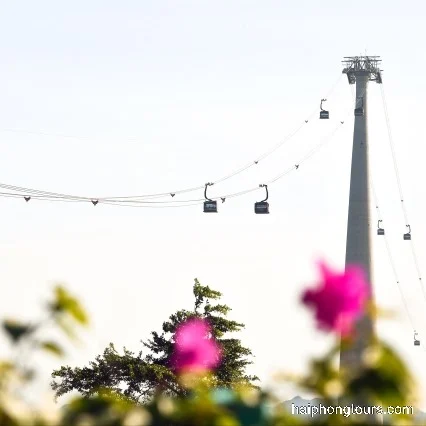
Secure accommodation first. Move the next fixed flight or train only after authorities and operators confirm a safe exit route; there is no reliable universal order in which services close or reopen.
Use the right source hierarchy
- Cat Hai and Hai Phong authority notices
- National weather warnings
- The exact ferry, boat or cable-car operator
- Your hotel and confirmed road provider
A social post or normal timetable does not override a current suspension.
Separate the closure categories
- Sea-tourism suspension: bay trips and recreation may stop.
- Passenger-vessel suspension: boats may not depart even when a road remains open.
- Ferry or cable-car suspension: the usual island exit may be unavailable.
- Island-road interruption: flooding, debris or a landslide can block access to the operating terminal.
Wait safely
Stay in a verified building away from the waterfront, steep slopes and floodwater. Extend the room in writing and ask whether the property has backup power, drinking water and a safe interior area. Do not approach a closed pier or seek an unofficial boat.
Prepare for a longer stay
Keep essential medicine, drinking water, some cash, phone power and travel documents with you. Ask a clinician or pharmacist about medication supply when delay may exceed the amount carried. Do not store every payment method in one bag.
Protect the onward booking
Tell the airline, railway or next hotel that an official disruption is affecting the island. Record the notice and every written reply. Do not promise a new departure time until the exit service, road to the terminal and mainland connection are all confirmed.
Check reopening as a chain
- Has the authority lifted the relevant restriction?
- Is the exact ferry, boat or cable car accepting passengers?
- Is the island road to that terminal passable?
- Can the mainland vehicle still meet you?
- Is there enough margin for the next fixed departure?
What to do in the first hour
Move indoors and confirm which restriction applies to your location. A sea-tourism suspension, ferry suspension and flooded road are different problems, so record the exact notice instead of repeating “Cat Ba is closed.” Tell the hotel how many people are in the group and whether anyone needs medicine, mobility help or child supplies.
Pause all nonessential travel. Do not ask a driver to approach a pier, flooded section or steep road merely to inspect conditions. Charge phones and power banks while electricity is available, download the official notice and place passports and tickets in waterproof protection.
Extend the hotel before rooms disappear
Ask the current property whether the same room can be extended and until what time the decision must be made. Obtain the new rate, payment method and cancellation terms in writing. If the hotel cannot extend, move only when the property confirms another safe building and a permitted road route.

Avoid waterfront rooms, exposed balconies and areas affected by floodwater. Follow hotel and local authority instructions about windows, lifts, interior shelter and evacuation. Do not relocate during the worst conditions just to be closer to a terminal that is not operating.
Protect medicine, cash and communication
Count prescription medicine by dose and day. If the delay may exceed the supply, ask the hotel to help contact a pharmacy or clinician; do not substitute an unfamiliar product without professional advice. Keep drinking water, simple food and necessary child items available.
Carry some cash because card terminals and mobile networks may fail, but keep payment methods in separate secure places. Write down the hotel, carrier and emergency contacts in case a phone loses power.
Rebuild flights and trains in the correct order
Notify the airline or railway while the disruption is active, but do not promise a new departure you cannot reach. First confirm the island exit, then the road to the terminal, then the mainland vehicle, and only then commit to the fixed ticket.
Keep copies of the official notice, hotel extension, canceled transport and every carrier reply. These documents may help with insurance or supplier discussions, but coverage depends on the actual policy and booking terms.
Do not treat reopening as an immediate departure
When a restriction is lifted, demand may create queues and vehicles may be out of position. Confirm that your specific crossing is accepting passengers, the road to it is open and the mainland driver has a realistic meeting time. Travelers with an inflexible connection should keep a larger recovery margin than the normal timetable suggests.

Check the park, roads and utilities separately
A sea reopening does not prove Cat Ba National Park routes, Ben Beo boats, the National Park–Gia Luan road or a remote hotel approach is ready. Power and mobile service may also recover at different times. Ask the hotel which services actually work at the property.
Rebuild one dependency at a time: safe room, usable island road, authorized crossing, mainland pickup and the next ticket. Skip optional sightseeing until the exit is stable.
Use one group contact
One traveler should hold the official notices and communicate with the hotel, carrier and driver. This prevents conflicting departure times. Other members can manage medicine, bags and power without separately booking unconfirmed vehicles.
Hai Phong Tours recommends rebuilding the itinerary in that order. Recheck official Cat Hai/Hai Phong notices, the national warning, the hotel and the next carrier before leaving shelter.
Useful guides for your trip
Would you like help fitting this experience into your trip? Contact us with your travel dates, starting point, available time and group size. Tell us about walking limits or special interests so we can suggest a practical itinerary.