
Dense fog in Ha Giang is a road-visibility problem even without rain. Shorten the day to the nearest safe town instead of crossing another pass to chase a clear viewpoint.
Do not stop on the carriageway for photographs or pressure a driver to keep the original pace. Protect the confirmed overnight stop and recheck official warnings before continuing.
Use a visibility trigger
Slow or stop when the driver cannot reliably see lane edges, sharp bends, stopped vehicles or people ahead. Highland roads around Quan Ba, Yen Minh, Dong Van and Meo Vac can combine fog with steep terrain and tight curves.
Let the road decision control the itinerary
- Ask which pass and town are ahead.
- Confirm the closest safe accommodation.
- Remove optional viewpoints before removing rest time.
- Do not use an unverified minor road as a visibility shortcut.
No roadside-photo rule
Fog hides you from approaching traffic. Use only an established, legal stopping area that the driver considers safe. Never stand around a blind bend, beside a cliff edge or in the travel lane.
Use a town-level alternative
Replace the exposed road block with a meal, market or cultural stop in the nearest town after checking that it is open. The alternative should reduce driving, not add another mountain section.
Protect the hotel booking
Contact the intended hotel before the late-arrival deadline. If the road margin weakens, book the closest verified room and send the new plan to both properties. Keep medicine and a warm layer in the day bag.
Escalate when fog combines with other hazards
Rain, ice, falling rock, water across the road or an official landslide warning changes the decision from slow/replan to delay or stop. Follow road and police controls; a driver cannot override a closure.
Use a route checkpoint before each pass
Before leaving Quan Ba, Yen Minh, Dong Van, Meo Vac or another staffed stop, ask the driver which pass comes next, where the next safe town is and whether local road controls have changed. Check the national warning and current local notice while there is mobile signal.
Do not make the decision from a clear view at the hotel. Fog can be local to a pass and can thicken quickly with elevation. A route is only as usable as its least visible section.
Protect the driver from itinerary pressure
Agree before departure that the driver may slow, turn back or stop in the nearest safe town. Do not link a tip, hotel refund or sightseeing goal to completing the original loop. A professional decision to shorten the route is part of the safety plan.
Motorbike travelers should avoid following another vehicle’s lights as a substitute for visibility. Keep a safe gap, use appropriate lighting and pull off only at a place that is clearly outside the traffic lane. If the safe stopping point is behind you, continue slowly to the next established area rather than stopping on a blind bend.
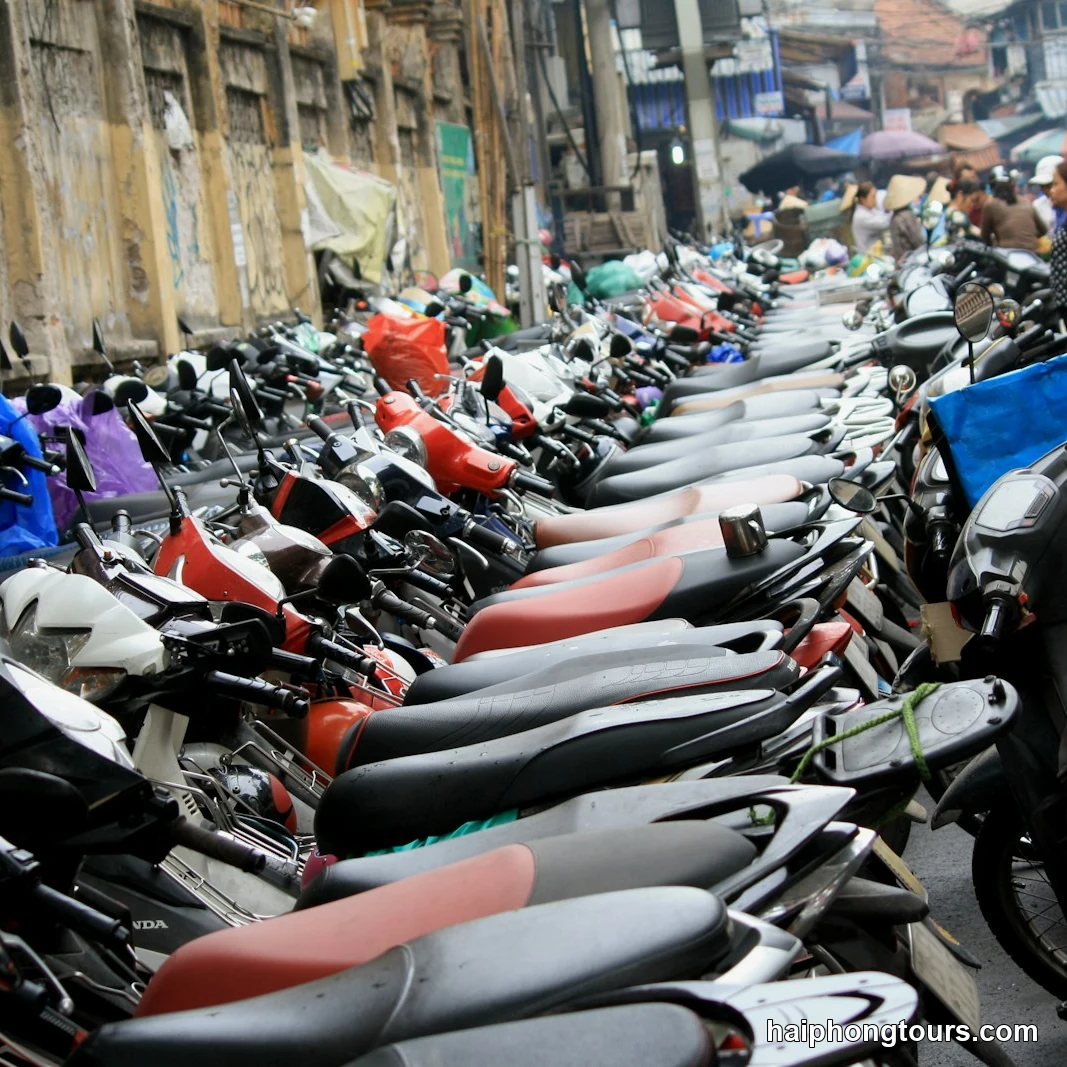
Choose a town-level day that genuinely reduces road exposure
A useful fallback keeps the group near accommodation: a confirmed local meal, market visit, cafe, museum or rest block. Check opening first. Do not replace one foggy pass with a different “scenic” road that adds the same visibility risk.
Keep one warm and dry layer, water, medication and phone power with the traveler. Fog and cold can make a roadside delay uncomfortable even when there is no rain.
Handle the next hotel before reception closes
Tell the booked property the current town, route and revised ETA. Ask for the latest reception time and cancellation or date-change terms. If the driver recommends stopping earlier, secure the new room before releasing the current vehicle.
Send the original property a written change rather than simply failing to arrive. Independent hotel and transport bookings will not automatically adjust because road visibility deteriorates.
Restart only after a fresh segment check
Fog lifting in one valley does not prove the next pass is clear. Recheck each segment, daylight remaining, fuel, the driver’s rest and the next reception deadline. Remove optional viewpoints first and keep the overnight arrival in daylight whenever possible.
Use named decision points on the loop
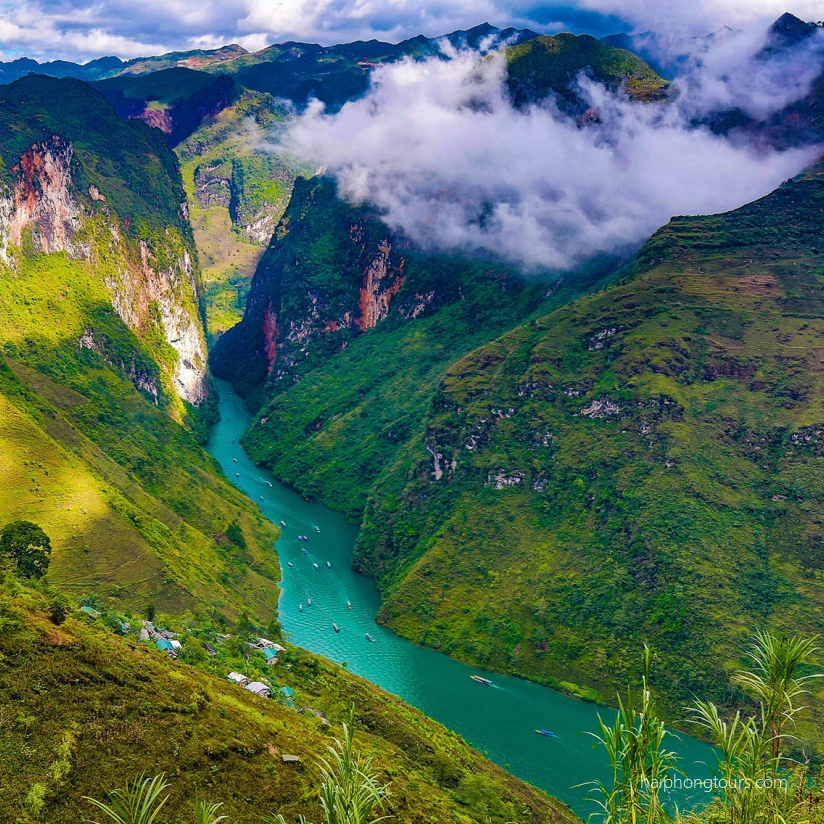
Quan Ba Heaven Gate, Yen Minh, Tham Ma Pass, Dong Van, Ma Pi Leng and Meo Vac sit on different road and elevation sections. Do not assume a clear view in one town predicts the next pass. Ask which staffed base can receive the group before entering each exposed segment.
Do not turn fog into a self-drive lesson
Legal licence, insurance and mountain experience remain necessary for any self-drive. Fog makes an already unsuitable plan worse; it does not create a reason to learn on the route. Travelers using an easy-rider or driver should allow that professional to stop the day.
Keep the overnight more important than the loop shape
If the next hotel is no longer reachable before dark, stay in the current town and inform both properties. Reverse or shorten the following day instead of creating a late arrival over another pass.
Hai Phong Tours recommends checking the national warning portal and local road notices before each highland segment. A missed viewpoint is easier to recover than a rushed arrival after dark.
Give the receiving property an ETA range, not a promise. If progress slows between Quan Ba, Yen Minh, Dong Van or Meo Vac, choose the nearest confirmed staffed town before the next pass. Keep documents, medicine, water and a warm layer in the cabin so the group does not unload large cases on a foggy shoulder.
Useful guides for your trip
Would you like help fitting this experience into your trip? Contact us with your travel dates, starting point, available time and group size. Tell us about walking limits or special interests so we can suggest a practical itinerary.