
On an extreme-heat day in Ha Long Bay, confirm the exact vessel and activity sequence, carry water, use shaded or air-conditioned periods deliberately and skip optional exposed activities when the warning or a traveler’s condition requires it. A cruise ticket does not guarantee a cooled terminal, shaded tender or comfortable midday cave visit.
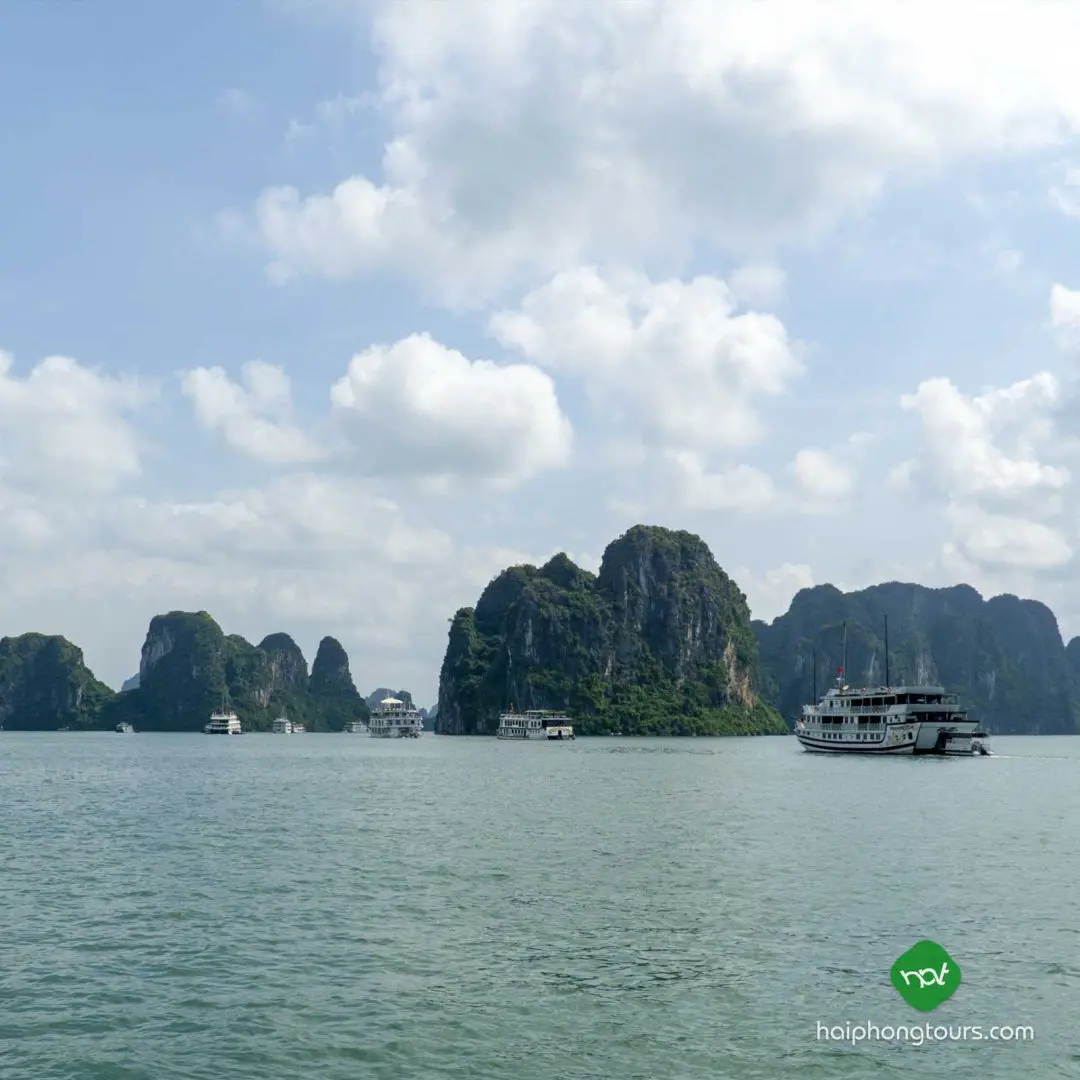
Hai Phong Tours recommends reviewing the whole exposure chain: terminal wait, boarding, open deck, tender, cave steps, kayak or swim, then the return to the city or hotel. Several manageable segments can become an excessive cumulative load.
Start with the terminal and vessel
Confirm the named terminal, check-in time, expected waiting area and whether shade or cooling is available. Ask the operator which spaces on the actual vessel are air-conditioned and when passengers may use them.
Map the exposed activities
- Deck: identify shade and limit optional viewing time during the warned peak.
- Tender: ask about cover, waiting and boarding assistance.
- Cave: count the approach, stairs and return, not just the cooler interior.
- Kayak or swim: treat these as exertion and sun exposure, not heat treatment.
Ask about opting out
Request written guidance on whether an optional activity may be skipped and where the traveler waits. Do not assume the operator will change the itinerary or keep a cabin available during every stop.
Plan for vulnerable travelers
Older travelers, children and people with relevant conditions need a lower exposure limit, ready water, medication according to their usual plan and a companion who knows the stop signals. Seek urgent local medical care for confusion, fainting or other emergency symptoms.
Keep a city fallback
After disembarkation, use a confirmed cooled hotel or indoor city base rather than adding another exposed waterfront stop. Recheck the current Quang Ninh or national warning and make the onward transfer the priority.
Name the port, lounge and vessel
Ha Long International Passenger Port and Tuan Chau International Passenger Port are different locations. Ask for the exact lounge or booking desk, the named vessel and the dated itinerary. “Ha Long port” is not enough for a heat-sensitive meeting plan.
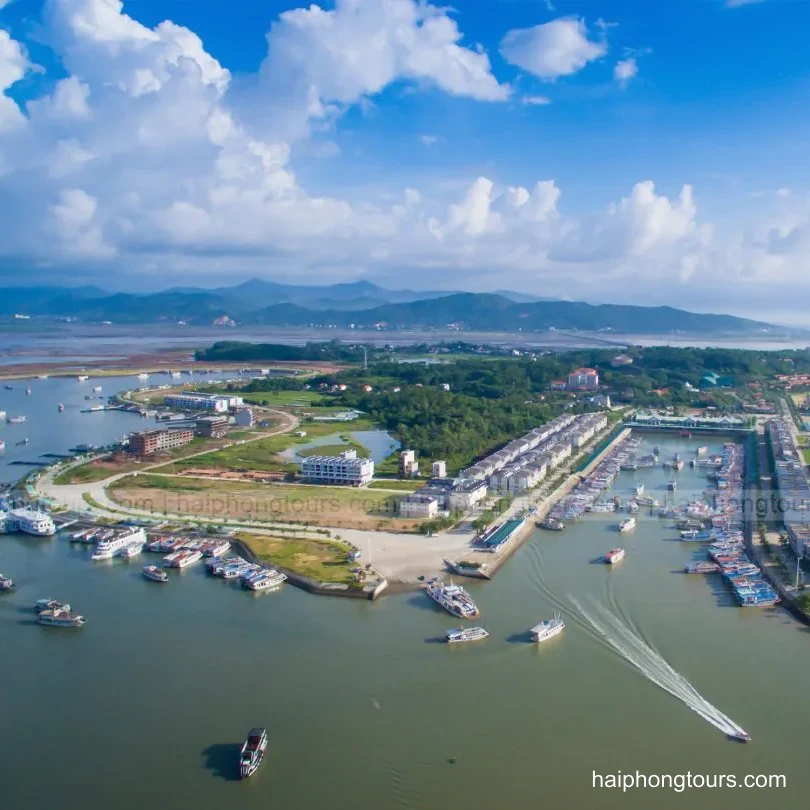
Confirm whether the terminal waiting area is shaded or cooled and how early check-in is actually required. Arriving unnecessarily early can add a long exposed wait.
Audit the entire heat chain
Write the sequence from hotel pickup to return: vehicle, terminal, gangway, deck, tender or sampan, cave steps, kayak or beach, disembarkation and road transfer. Mark where shade, water and air-conditioning are reliably available.
Several short exposed segments can create more load than one long activity. Remove optional stages before cutting water or the road buffer.
Keep essential items in the accessible bag
Carry water, sun protection, prescribed medicine, phone power and a dry change according to the vessel’s rules. Do not place essential medication in a large case that may be stored away from the cabin or passenger area.
Tell the operator about mobility or health-related planning needs before boarding. The vessel controls where luggage is stored and which spaces remain accessible during excursions.
Get the opt-out procedure in writing
Ask whether the traveler can remain aboard, skip the cave, avoid kayaking or use a shaded tender seat. Confirm who must be notified and whether the cabin or another cooled area remains available. Do not assume the vessel will alter meal or route times for one guest.
Protect the road journey after the cruise
Use a precise port meeting point and confirm the vehicle’s cooling. Count bags before departure and do not add another waterfront stop when the group already has a long road transfer.

For comparison, the current Ha Long Bay cruise category can help identify live itineraries, but Hai Phong Tours does not control weather, port or vessel decisions. Verify the exact heat-exposure chain with the selected operator.
Use a heat-load worksheet before payment
Mark the expected minutes or stages in the terminal, gangway, deck, tender, cave approach, cave stairs, kayak or beach and return walk. Add a recovery point after each exposed block. If the operator cannot identify shade or cabin access, treat that stage as exposed.
Ask who controls the activity change
The licensed operator and authority control the sailing and itinerary. The traveler can choose to opt out only within the vessel’s safety process. Obtain the notification deadline and waiting location; do not leave the group without telling crew.
Keep the hotel and road driver aligned
Send the driver the exact port, lounge and passenger-ready time. Heat may slow disembarkation and bag loading. Keep a cooled hotel fallback if the traveler cannot continue the planned road transfer immediately.
Separate symptoms from inconvenience
Fatigue may improve with shade and rest, but confusion, fainting or rapid worsening needs urgent local help. Follow personal medical advice for medication and hydration. Do not start an unfamiliar treatment onboard.
Use a land day when the chain is too exposed
A hotel recovery day with a short verified indoor block is more useful than replacing one cruise with another vessel under the same warning. Preserve the trip’s onward connection and choose a later sailing only after conditions and terms are clear.
At booking, ask whether the cabin remains available during excursions and whether a guest can skip the cave, tender, kayak or beach without being left in an unsafe area. Name the port and lounge, carry essential medicine in the day bag, and keep the road driver informed if heat or itinerary changes alter the passenger-ready return.
Useful guides for your trip
- Ha Long, Lan Ha and Bai Tu Long Cruise Itineraries
- Halong Attractions: Bay Cruises, Museum, Beaches and Parks
Would you like help fitting this experience into your trip? Contact us with your travel dates, starting point, available time and group size. Tell us about walking limits or special interests so we can suggest a practical itinerary.