
A late arrival in Hai Phong is usually safest when you stop at a confirmed city hotel and build the first night around tomorrow’s real departure point. Do not continue toward Cat Ba, Ha Long or a cruise check-in after the usable crossing or boarding window has closed; sleep in Hai Phong and restart with verified transport.
The important time is not the scheduled flight, train or bus arrival. It is the moment when you have collected your bags, left the terminal or station, found the correct vehicle and are ready to move. Choose the hotel only after that realistic arrival time and the next morning’s pickup location are both clear.
Start with the way you actually reach Hai Phong
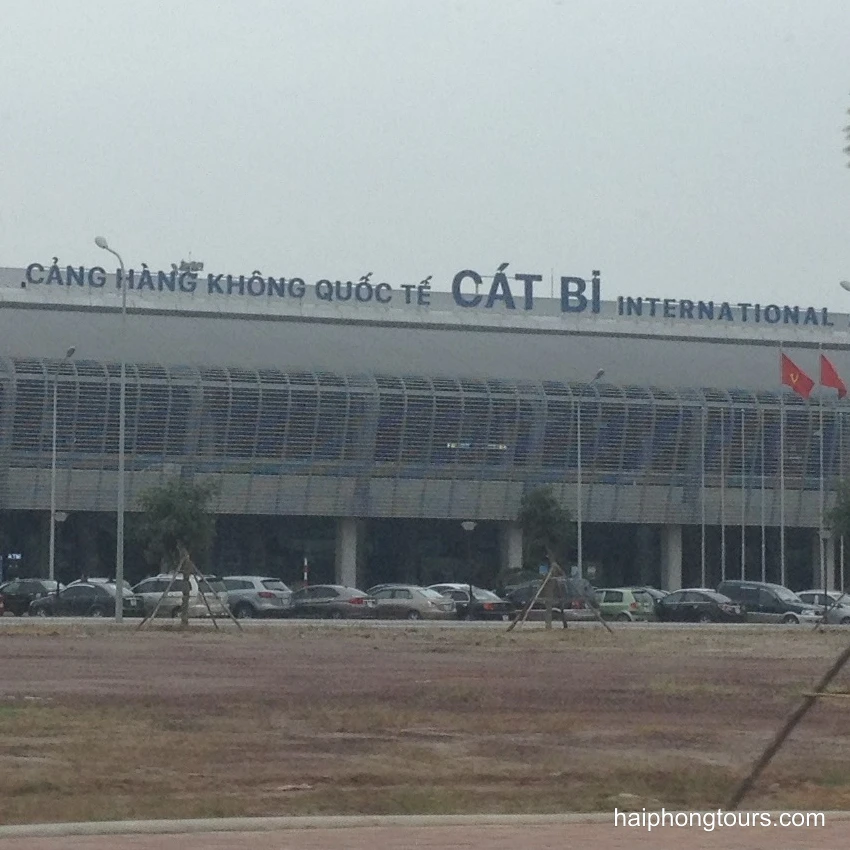
Arriving at Cat Bi Airport
Cat Bi Airport is close to central Hai Phong, but a short road distance does not remove the late-arrival steps. Allow time for the aircraft to park, baggage delivery, terminal exit, contacting the driver and loading luggage. If a flight is delayed, use the airline and airport’s current information rather than the time shown in an old itinerary screenshot.

Send the hotel the flight number, revised landing time and a conservative hotel ETA. Ask whether reception will still be staffed, how you should enter if the front door is locked and which payment methods remain available late at night.
Arriving by train
Use the station printed on the issued ticket and tell the hotel or driver exactly where you will exit. A late train can leave you with fewer taxis, limited food and no useful time to continue to another destination. Keep the hotel phone number accessible before leaving the platform.
Arriving by intercity vehicle
Ask for the actual drop-off pin, not only the name of Hai Phong. Some vehicles finish at a bus station, company office or roadside point rather than your hotel. Do not accept a late curbside drop unless the next vehicle or hotel has confirmed who will meet you there.
Choose the hotel around tomorrow, not tonight
The best first-night base is the one that reduces the fragile part of the next morning. A central hotel may suit a city appointment or ordinary rail departure. A hotel closer to Cat Bi can reduce the first road leg before an early flight. A Cat Ba transfer or Ha Long connection should be based on the operator’s exact pickup point, not on a vague promise that the hotel is “near the port.”
If tomorrow begins with a cruise or island crossing, confirm the named port, terminal or meeting lounge before selecting the hotel. Hai Phong, Dong Bai, Tuan Chau and Ha Long are not interchangeable endpoints. A cheaper room on the wrong side of the morning journey can create an expensive and stressful transfer.

Do not chase Cat Ba or a bay cruise after the window closes
Ferry, cable-car and cruise operations can change with the date, weather and official instructions. A driver saying that a crossing “may still run” is not a protected connection. Continue only when the responsible operator confirms the service, an island or port-side vehicle is arranged and the receiving hotel or vessel has accepted your revised ETA.
If any part is uncertain, stay in Hai Phong. This is not lost travel time; it is a controlled reset that avoids reaching a closed terminal, missing a hotel reception or paying for an unofficial workaround. Recheck the full chain in the morning before leaving the hotel.
Confirm late reception in writing
A valid booking does not automatically guarantee an unattended late entry. Send the property:
- your full name and reservation number;
- the revised arrival time and transport type;
- the exact entrance pin or a request for one;
- the number and size of bags;
- a phone number or messaging account that works in Vietnam;
- a request for the name or number of the person handling the late arrival.
Keep the confirmation on your phone and take a screenshot in case mobile data is unreliable. Do not release the driver until you can enter the property and the booking is recognized.
Plan food, water and essential items before the desk closes
Late-night food options vary by neighborhood and day. Ask the hotel whether a simple meal, bottled water or nearby shop will still be available. Keep medication, documents, chargers and one change of clothes in a day bag rather than at the bottom of a large suitcase.
If you are traveling with children, an older traveler or someone who needs regular medication, reduce the first night to check-in, hydration and rest. Do not add a city walk simply because the original schedule included one.
Protect the morning pickup
Before sleeping, put the same pickup information in messages with the hotel and transport operator: property name, entrance pin, pickup time, passenger count, bag count and destination. Ask whether the vehicle can stop at the entrance or whether you must walk to a wider road.
For a flight or train, recheck the issued ticket, terminal or station. For Cat Ba or a cruise, recheck the current crossing or check-in instructions. Independent hotel, transfer, ferry, cruise, rail and air bookings do not automatically protect one another if the first service is late.
Use one concise delay message
A useful message is: “Our arrival is now expected at [time]. We have [number] passengers and [number] bags. Please confirm that late reception remains available, send the exact entrance pin and tell us who to contact when the vehicle arrives.”
Send a separate version to the morning operator if the delay reduces your rest or changes the pickup. Hai Phong Tours recommends keeping these confirmations in one message thread so the traveler, hotel and driver are working from the same times and locations.
The practical decision
Stop in Hai Phong when the next crossing, check-in or receiving contact is not fully confirmed. Choose the first-night hotel by tomorrow’s departure corridor, obtain written late-entry instructions and rebuild the morning chain from the actual pickup point. That simple reset is more reliable than trying to recover lost time after midnight.
Useful guides for your trip
Would you like help fitting this experience into your trip? Contact us with your travel dates, starting point, available time and group size. Tell us about walking limits or special interests so we can suggest a practical itinerary.