
Before your train reaches Hanoi, send the train number, ticketed station and named entrance to your hotel or driver. After arrival, collect every bag and follow official signs into the public area; meet only at the agreed Lê Duẩn entrance or Trần Quý Cáp side, and never cross the tracks to fix a pickup mismatch.
“Hanoi station” is not precise enough for a handoff. Hanoi Railway Station, Long Biên Station and Gia Lâm Station are separate facilities, while the two sides of Hanoi Railway Station can put a driver and passenger on different streets. Hai Phong Tours recommends settling the exact station and side before the train departs.
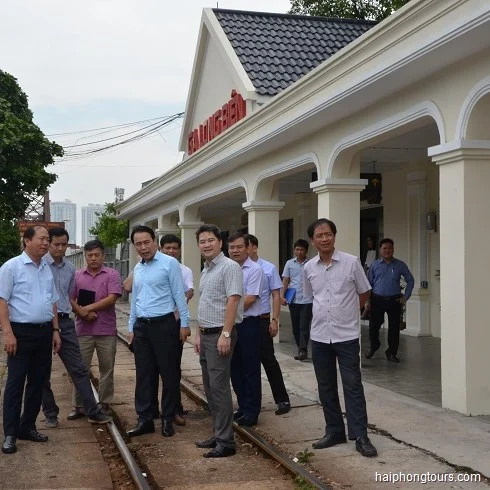
Read the issued ticket before the map
Use the station printed on the current ticket and the operator’s boarding or arrival instruction. A saved map pin cannot override a changed train, platform or station. Check the official railway search close to travel and keep the train number, travel date and booking code available offline.
If the ticket says Hanoi Railway Station, ask the receiving hotel or driver to name the meeting side. The main Lê Duẩn frontage and the Trần Quý Cáp or Gate B side are not interchangeable when a vehicle is waiting. Do not promise yourself that a particular train always uses one side; the issued instruction and uniformed railway staff control on the day.
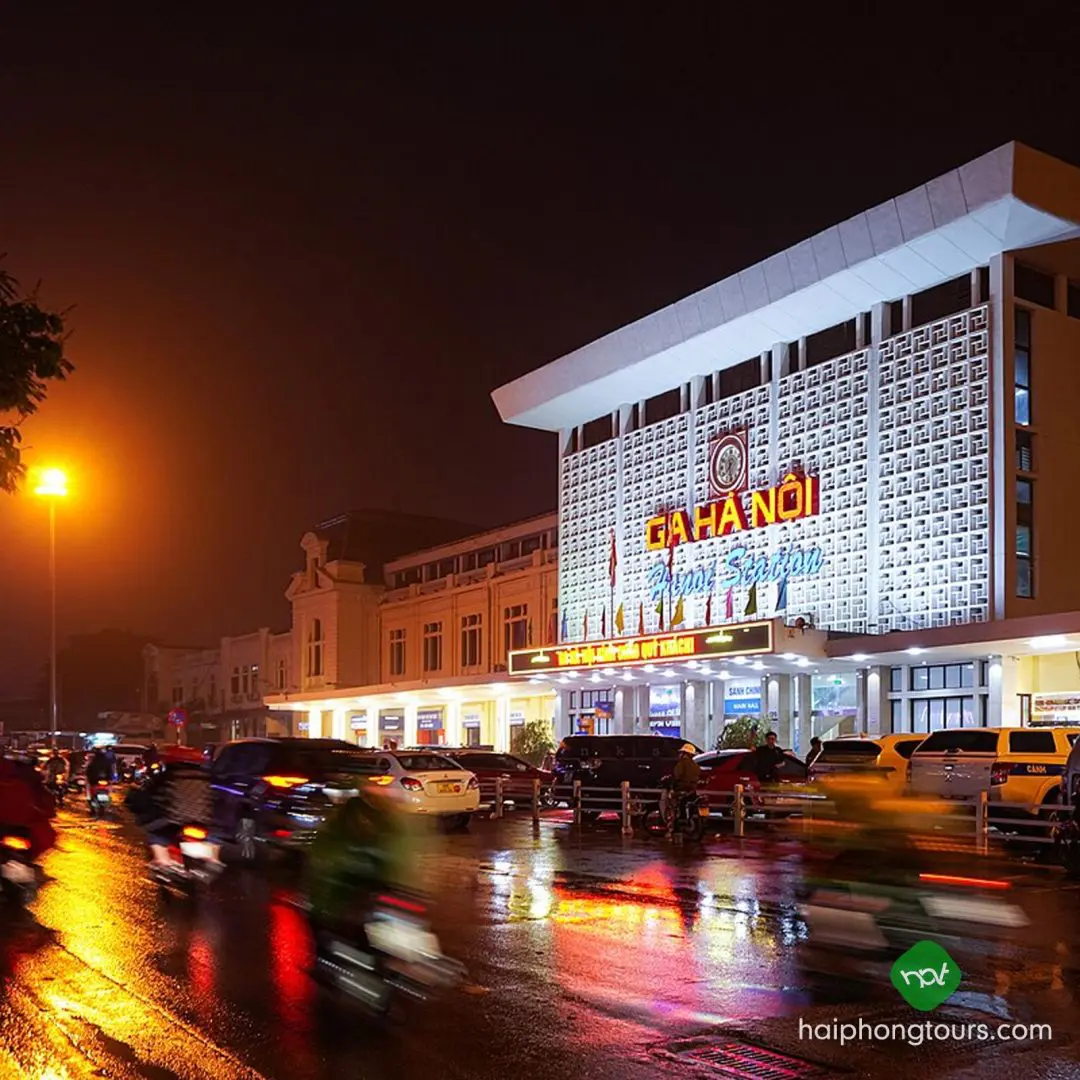
Use the first 30 minutes in this order
- Leave the train only when it is safe and follow station signs or staff directions.
- Count checked cases, cabin bags, a stroller, wheelchair and every loose item.
- Move to the public hall or exit without accepting an unsolicited detour.
- Restore phone or data service and open the agreed entrance photo or pin.
- Match the booking name, driver phone and vehicle plate before loading.
- Confirm the exact hotel, airport, bus terminal or next station with the driver.
The arrival time on the timetable is not the vehicle departure time. Add time for the platform walk, assistance, luggage, toilets and locating the correct side. A group with several large cases needs more loading time than a solo traveler with one cabin bag.
Send one complete meeting message
Include the passenger name, train number, expected arrival, ticketed station, named side or entrance, passenger count, bag count and onward address. Add the largest case, folding wheelchair, stroller or other item that changes vehicle capacity. Ask the driver to repeat the side, plate and meeting point instead of replying only “station.”
Use a visible public landmark or entrance photograph. If reception arranged the car, keep both reception and the driver in the same message thread. When the train is delayed, send the live update before arrival and ask how waiting is handled. Do not leave the staffed area to chase a driver circulating on another street.
Plan assistance for the exact platform and side
Ask the railway or booking provider in advance about assistance for the specific train, platform and exit. Do not describe the whole station route as step-free without current confirmation. A wheelchair, stroller, heavy case or limited walking tolerance may require a closer legal pickup, help with a platform change or additional time.
Keep the passport, ticket, medicine, phone power and valuables in a bag that stays with the traveler. If a case is missing, stop at the staffed help or ticket area before leaving the station. Record the bag description and retain the ticket and any luggage evidence.
Handle the common wrong-place failures
The driver is at the other side
Stay at the named public entrance, send a current photo and ask the driver to reposition legally. Do not cross tracks or walk through an unverified shortcut with luggage. If the driver cannot reach you, use an official or verified app-based alternative from the public frontage.
The ticket names another Hanoi station
Do not continue to the familiar central-station pin. Confirm Long Biên or Gia Lâm with railway staff and redirect the vehicle. A connection departing another station requires a separate road leg and enough time to enter that facility; the shared city name does not protect the ticket.
The train is late or the next connection is lost
Recalculate from the time the group is public-side with every bag. Independent road, rail, air and boat bookings do not wait for one another. Use a confirmed Hanoi hotel when the next leg no longer has normal margin instead of starting an unprotected night journey to an island or mountain destination.
Phone data fails
Use the saved entrance image, booking reference and phone numbers. Remain in the staffed public area and ask official station personnel for orientation. Do not accept an unsolicited porter or roadside vehicle solely because it recognizes the destination name.
Choose the onward mode only after the handoff works
A prearranged car can suit a group, large luggage or a precise hotel entrance, but vehicle fit and the plate still need confirmation. A licensed taxi or verified app can be a recovery option from the public side. Public transport requires a current stop, direction and luggage plan; it should not be improvised while a fixed onward ticket is already at risk.

This page is deliberately neutral and carries no commercial transfer link. The practical decision is to verify the ticketed facility, move every bag to the public side, meet at one named entrance and stop safely when the next independent connection has lost its buffer.
Keep that sequence saved offline before the train enters Hanoi.
Useful guides for your trip
Would a private transfer make this journey easier? Contact us with your travel date, exact pickup and drop-off, number of travelers and bags. Include any flight, train or cruise deadline so we can assess a suitable plan and quotation.