
Gia Binh Airport remains in construction and operational-readiness preparation, so do not replace a ticketed HAN, HPH or VDO itinerary with it. Aviation systems still require installation, integration, test operation, flight calibration, ORAT and legal acceptance. APEC 2027 is a project milestone, not a confirmed passenger launch; commercial routes, participating airlines and transfers from other airports are not yet specified. Use the airport, terminal and date on the airline-issued ticket. Reconsider Gia Binh only when a carrier sells a dated flight in its own channel and publishes the public terminal, check-in and baggage instructions.
Read the Gia Binh milestones correctly
The project is still completing airport and air-navigation works. Operational preparation includes connecting and testing systems, flight calibration, safety and legal acceptance, staff and service planning, and Operational Readiness and Airport Transfer, usually shortened to ORAT. These steps are necessary before normal airport use, but none sells a seat to a traveler.
Authorities distinguish the preparation plan from the official airport operating plan. Technical and event-readiness work can proceed without establishing a public launch date, airline schedule or transfer arrangement. A proposed rail connection through Gia Lam and a 30 to 45 minute central Hanoi travel goal remain studies, not a current airport journey.
Require an airline-issued passenger itinerary
For an ordinary trip, open the booking in the operating airline’s website or app. Match the traveler name, flight number, date, origin and destination airport, operating carrier, terminal instruction and ticket status. Check the baggage allowance and check-in or bag-drop closing time before arranging a driver.
If a seller provides a booking reference, reopen it through the airline rather than relying on a screenshot, travel-agent message, future airport label or map pin. Do not build hotels, drivers or onward tickets around the claim unless the carrier’s channel confirms the booking.
Keep APEC and special flights separate from public service
An authority can prepare Gia Binh for event movements, state operations, calibration or other special flights before ordinary travelers can buy scheduled service. An airport-authority representative or a published airport code would still not establish a saleable flight on your date. Do not guess a code or replace the airport printed on a valid ticket.
Use the operating airport on the ticket
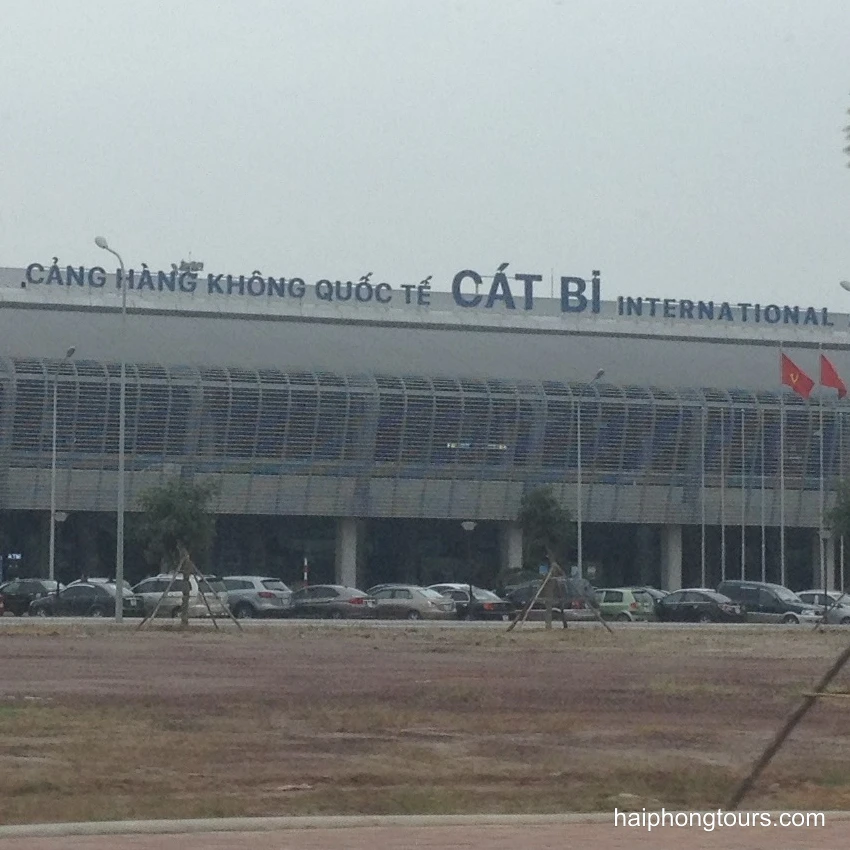
For HPH, use Cat Bi Airport in Hai Phong. Cat Bi has current passenger operations. Follow the airline’s terminal and check-in instructions, not the future Terminal 2 project. The Cat Bi Terminal 2 status guide explains the difference between the operating terminal, level 2 and the separate construction project.
For HAN, use Noi Bai International Airport near Hanoi. The airport identifies HAN as its IATA code and operates T1 and T2. Follow the terminal shown by the airline for the exact flight and allow for a terminal change when the itinerary requires one.

For VDO, use Van Don Airport only when a current airline booking names it. Van Don’s official flight display contains dated services, but routes can change. Confirm the flight in the carrier’s own channel and plan the road, hotel, harbor or ferry connection from the ticketed arrival time.
The North Vietnam airports guide compares HAN, HPH and VDO by destination and onward connection. A geographically closer airport is useful only when its flight and ground route fit the whole trip.
Plan ground transport from the ticketed airport
Plan a Gia Binh vehicle only after the carrier publishes the public terminal and passenger pickup instructions. A future road drawing or construction gate is not a meeting point. Hai Phong Tours recommends choosing the airline itinerary first, then sending the driver the exact airport, terminal, flight number, date, passenger count and every bag. Do not redirect a booked HAN, HPH or VDO vehicle because a future map makes Gia Binh look convenient.

Protect separate flights and fixed connections
Do not create a self-transfer between Gia Binh and HAN, HPH or VDO until ordinary passenger operations, public terminal access and measured road times are available. Separate tickets do not protect each other if the first movement is late or the passenger reaches the wrong airport.
For any current connection, include baggage collection, public exit, road travel, terminal entry, new check-in and security. A flight arrival time is not a driver meeting time, and a road estimate is not a check-in deadline. When the margin is narrow, change the flight, travel earlier or keep an overnight near the airport used by the next ticket.