
The practical road endpoint from Hai Phong Railway Station is the official Cao Quy conservation-site entrance. It is not the wider Cao Quy village, Bach Dang Giang or a generic Bach Dang heritage pin. A licensed taxi can suit a flexible daytime visit, while a prearranged car is more useful for a fixed arrival, group, substantial luggage or retained return.
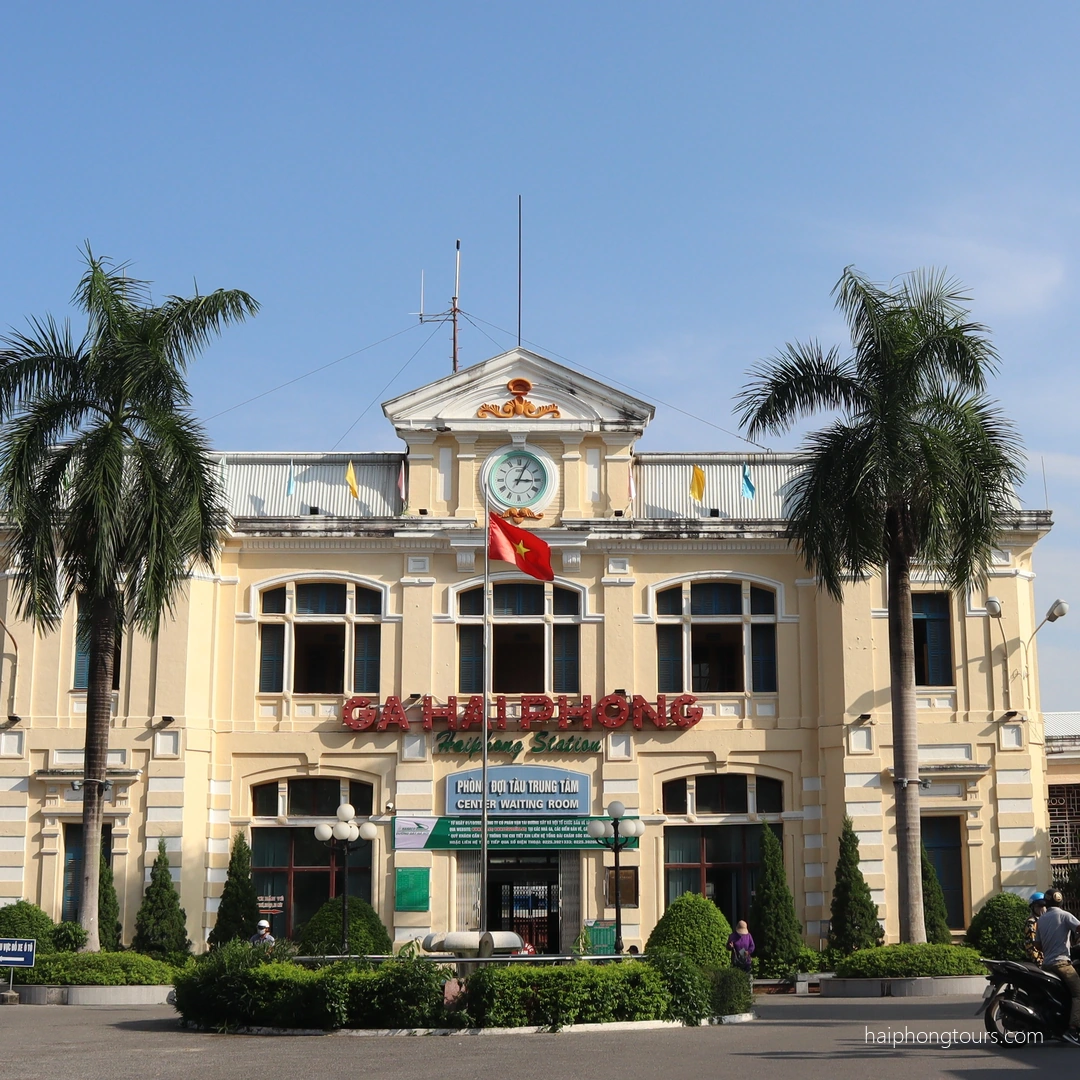
Cao Quy is a managed archaeological site. Arrival by car does not guarantee that every display or conserved area is open, and the vehicle cannot replace the public walking route. Confirm the entrance and current visitor access before leaving the station.
Use the conservation entrance as the destination
Ask the site or responsible local contact for the official entrance name, current pin and a staffed landmark. Save the Vietnamese wording and a screenshot. The road from National Highway 10 toward the entrance helps establish the correct approach, but it does not turn every village or service lane into a visitor route.

Show the driver the complete site identity before loading luggage. “Bach Dang” can point toward several historical places in the wider area. If the driver proposes another attraction, compare the saved entrance rather than assuming that all stake-yard sites are interchangeable.
The road booking should end at a lawful public vehicle stop. Access to reconstructed displays, conserved remains or an event area is controlled separately by site staff.
Plan the station pickup around the issued ticket
Current corridor reporting supports regular passenger operation, but only the issued 2027 ticket proves the train, date, direction and station. Recheck the ticket and official journey record close to travel, including carriage, luggage allowance, change terms and reporting requirement.
Set a passenger-ready time after scheduled arrival. Leaving the platform, using the toilet, carrying bags through the station and locating the lawful pickup side take time. Send the train number and station entrance to the driver, but agree on a delay procedure instead of promising an exact curb minute.
Match the plate and provider record before loading. Keep an app booking inside the app and retain a receipt. An unsolicited street replacement may know the city but still lack the correct rural endpoint.

Choose between taxi and prearranged car
Licensed taxi
This option is efficient for a flexible visitor with light luggage and a confirmed entrance. Agree whether parking, waiting and a return empty leg are included. If the driver will not wait, establish how site staff can help call a licensed return vehicle.
Prearranged or retained car
A booked car is useful for a group, reduced mobility, a heritage appointment, early or late timing, or a return tied to another train. Put the station side, official Cao Quy entrance, passenger and luggage count, vehicle class, waiting location and return deadline in writing.
A public route should be used only after its operator confirms the current stop, operating day, luggage rule and final walk. Reaching a nearby highway junction does not complete the trip to the conservation entrance.
Access, luggage and the heritage visit
Ask site staff about public opening, the permitted route, walking surfaces, steps, shade, toilets and any ceremony or conservation control. A road vehicle can reduce the outside journey but cannot make an archaeological visit step-free.
Full-size cases should remain in confirmed staffed storage or an attended retained vehicle. The provider must accept custody in writing. Never leave luggage beside a display, excavation area or unstaffed gate.
Keep passport, medicine, phone, cash and valuables in a small bag. A wheelchair, walker or stroller must be included in the cargo calculation, and its suitability for the public path should be checked with the site rather than inferred from road access.
Weather and site control can change the final approach
Rain can affect rural road comfort and walking surfaces. Confirm the entrance is receiving visitors before dispatch, especially when local authorities are managing a ceremony or conservation work. Follow signs and staff instructions at the last lawful point.
If the public route is closed, waiting at the gate does not create admission. Move the visit or choose another confirmed public heritage site, then arrange the return without entering a restricted lane.
Two failure points and the safer alternative
Plan B: If the driver follows a generic Bach Dang or Cao Quy village pin, remain at the staffed station exit. Send the official conservation-site name and entrance, contact site staff, and leave only after the destination is repeated correctly.
Plan B: If a ceremony, conservation measure or maintenance closure blocks the public route, stay at the staffed entrance or reschedule. Do not enter an archaeological area through a village or service lane.
Decide whether to retain the car
A retained car is worth considering when the return must meet a train, rural taxi supply is uncertain or the group needs luggage custody. It is usually not worth retaining one for a flexible daytime visitor with light bags when site staff confirm a reliable licensed return taxi.
Hai Phong Tours treats the correct heritage entrance as the key planning decision and does not present this station route as an HPT product. The useful next step is to verify the conservation-site access, then choose a vehicle that documents that exact endpoint.
- Issued ticket naming Hai Phong station, train, date and direction.
- Passenger-ready time and lawful station pickup side.
- Official Cao Quy conservation entrance and current public opening.
- Driver, plate, payment evidence, waiting rule and luggage space.
- Walking surface, steps, bag custody and visitor-route restrictions.
- Weather, ceremony or conservation notice and a return plan.
Useful guides for your trip
Would a private transfer make this journey easier? Contact us with your travel date, exact pickup and drop-off, number of travelers and bags. Include any flight, train or cruise deadline so we can assess a suitable plan and quotation.