
Use one large vehicle only to the last legal and practical Cat Ba point, then prearrange the smaller island vehicles and bag roster needed for the hotel. Since April 1, 2026, vehicles with 16 or more seats may not park on several streets in the central tourism area. Do not wait until the group reaches Cat Ba to discover that the assigned bus cannot stop at the property.
The handoff must name the crossing, legal large-vehicle endpoint, smaller vehicles, hotel entrance, every traveler and every bag. “Cat Ba center” is not a complete drop-off for a group.
Identify the registered vehicle before applying the parking rule
Ask for the registered seating category, plate when assigned and usable luggage layout. “Van” or “bus” does not show whether the 16-seat threshold applies. A vehicle that technically has enough seats can lose much of its suitcase space when every row is occupied.
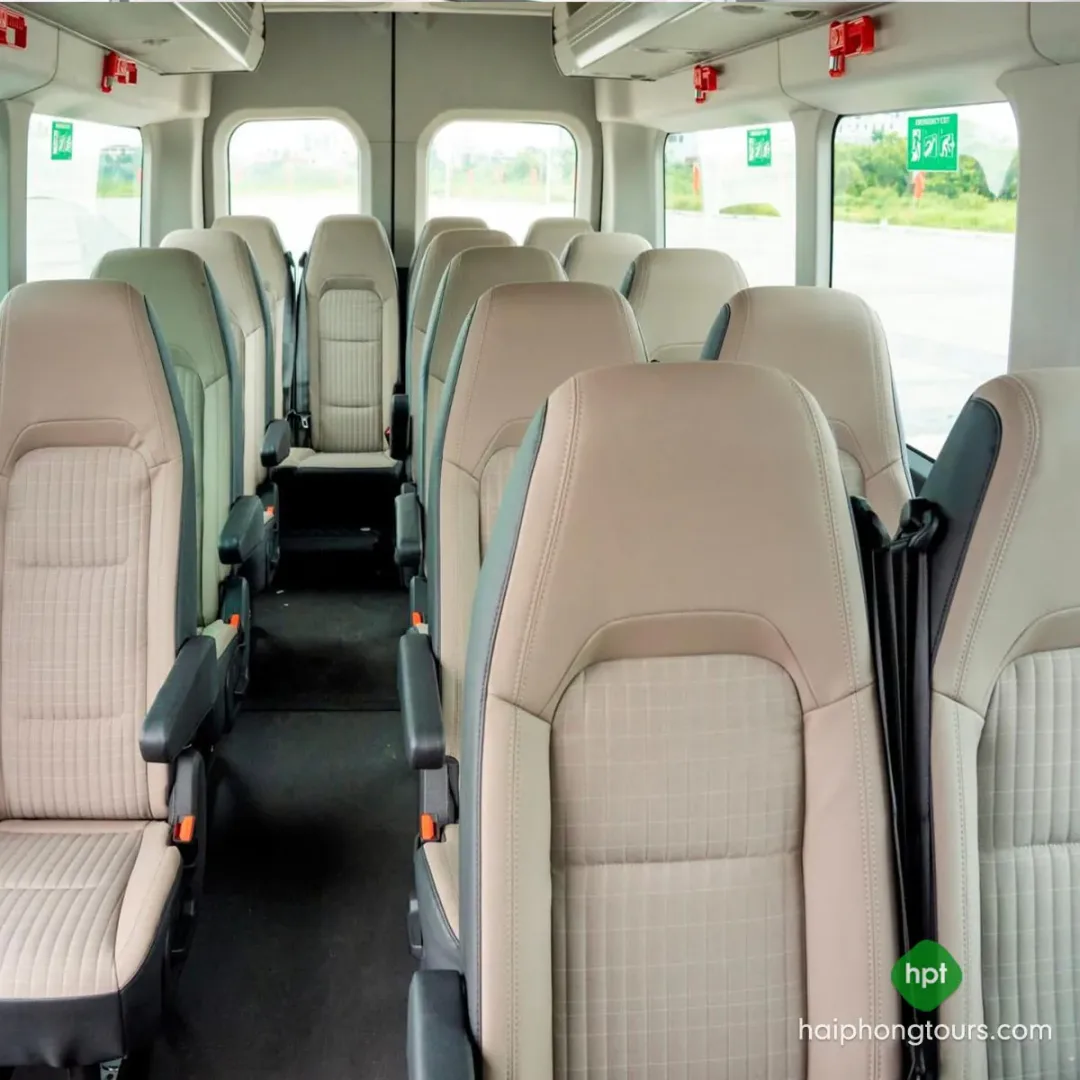
The 2026 restriction covers parking by vehicles with 16 or more seats on named central streets, including 1/4, Tung Dinh, Nui Ngoc, Cat Tien and Nui Xe. Current signs and local direction still control the travel date.
Name Ang Soi, Ben Beo or another authorized handoff point
Official planning identifies designated points such as the Ang Soi passenger hub and Ben Beo parking area. The correct point depends on the hotel, crossing and current traffic control. Ask for the exact pin, safe waiting area, toilet, staff contact and distance to the smaller vehicles.
Do not unload children, older travelers or cases on an active road because the hotel appears nearby. The lead traveler should confirm that all smaller drivers are present before the bus opens its luggage hold.
Choose the crossing before the island vehicle
A Hai Phong to Cat Ba private transfer can use a first vehicle to Dong Bai Ferry Terminal, a foot-passenger crossing and a second vehicle on Cat Ba Island. The Cat Ba large-luggage guide covers case dimensions and custody in more detail. A through shared service or a permitted vehicle movement creates a different handoff. Confirm which chain applies on the booked date.

Record the mainland driver, ferry stage, island driver and final hotel entrance separately. A delay at Dong Bai or the island arrival changes the small-vehicle meeting time, so one lead traveler must update the island dispatch.
Test the hotel door with the actual vehicle type
Send reception the assigned vehicle size and ask where it can legally stop. Request the walking distance, slope, steps and surface from that point to reception. A map pin in the center of a building is not a curb or parking plan.
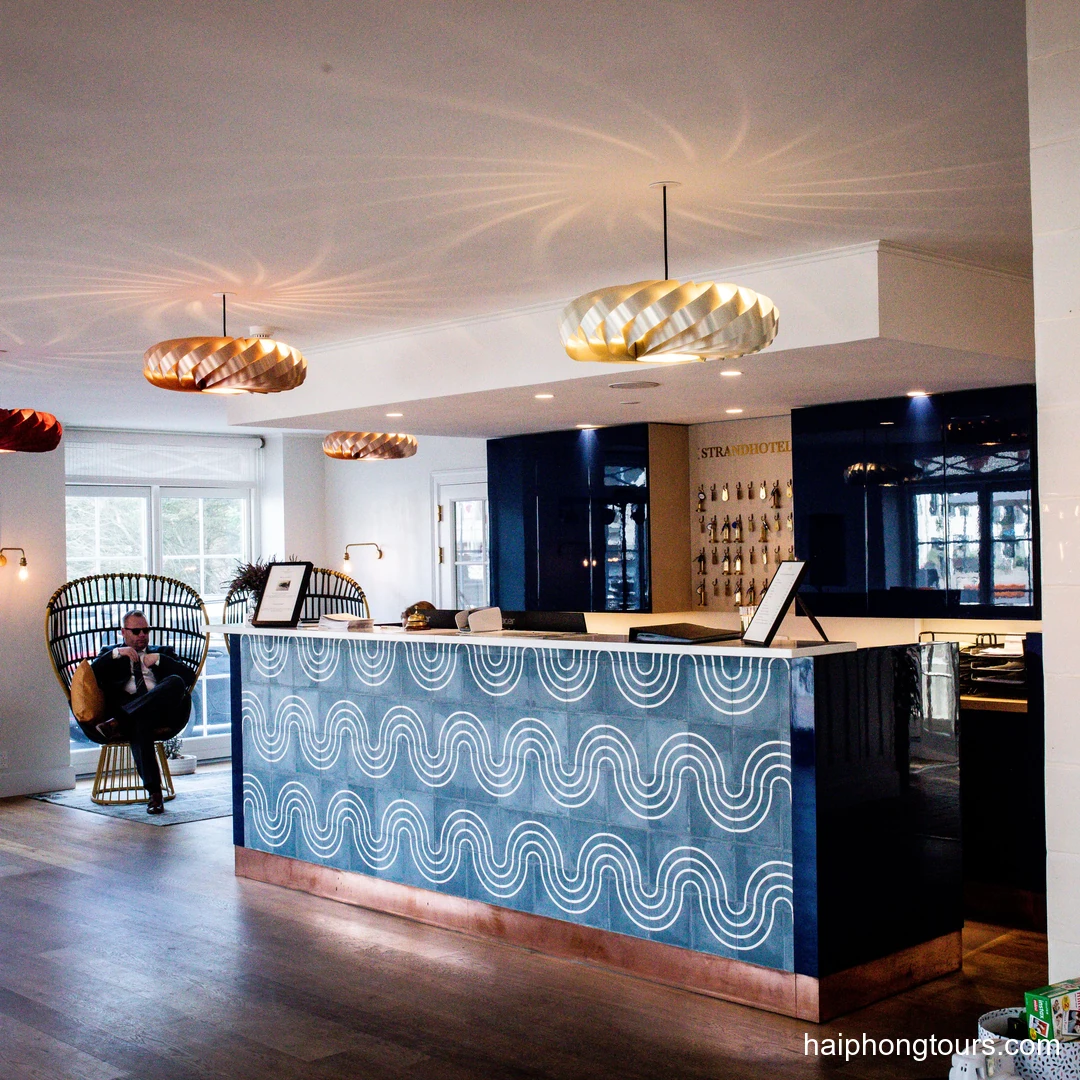
The hotel should also confirm rooming lead, check-in location, porter availability if any and what happens when rooms are not ready. The transport provider is not automatically responsible for keys, bag storage or moving luggage inside the property.
Assign each traveler to a smaller island vehicle
Write a passenger roster before the crossing. Keep each child with the responsible adult and place a lead contact in every vehicle. Record older travelers, mobility needs and anyone who should not be separated from medication or a companion.
Confirm how many smaller vehicles arrive, their seats, bag capacity, driver contacts and whether they all use the same hotel entrance. Electric tourist vehicles operate on defined central routes and hours; they are not a guaranteed solution for every hotel, National Park road or rural property.
Price the split vehicles before the group crosses. A single large-bus quote can look cheaper until island shuttles, waiting and a second luggage move are added.
Use a separate bag roster
Label cases and assign a custodian for each subgroup. Count suitcases, strollers, sports gear and mobility devices before the first vehicle leaves Hai Phong, after the crossing and at the hotel. Keep passports, medicine, phones and valuables with the traveler rather than in another vehicle.
Ask who handles the luggage hold and where cases wait during the vehicle change. Do not let an unknown helper take a bag without the group lead recording the person and destination.
Plan for children, older travelers and limited mobility
Confirm step height, ability to transfer, final walking distance, shade, seating and device stowage. A smaller vehicle is not necessarily easier to enter. Do not ask informal helpers to lift a person or heavy device; obtain an appropriate written arrangement or choose another hotel and vehicle chain.
Families should carry water, simple food, sun or rain protection and one child emergency contact in both lead vehicles. A delayed ferry can move the handoff into heat, rain or darkness.
Stop and rebuild the roster when the plan changes
If the assigned vehicle, parking point or hotel access changes, stop before unloading. Confirm the new legal point, smaller vehicles and passenger allocation, then recount the bags. Do not pressure a driver to park illegally because the original quote implied central delivery.
If rain or congestion makes the transfer point unsuitable, use the hotel or local authority’s lawful covered alternative. Keep the group at a staffed location rather than splitting into unrecorded taxis.
Use the HPT transfer only for the matching direction
The Hai Phong to Cat Ba transfer is a one-way product. Its current description uses the two-vehicle foot-passenger ferry chain, but the selected date, group size and luggage still require confirmation.
The Hai Phong Tours listing does not guarantee one large vehicle reaches the hotel, a parking exemption, porter service or a group coordinator. Pay only after the legal endpoint, smaller vehicles, hotel door and ownership of every bag are written.
Useful guides for your trip
Would you like help fitting this experience into your trip? Contact us with your travel dates, starting point, available time and group size. Tell us about walking limits or special interests so we can suggest a practical itinerary.