
Use February to August as a general starting window for a cave-focused Phong Nha trip, but make the final decision from the forecast and the attraction’s operating status. September to December needs more flexibility because of the region’s rainy and flood-prone conditions. A dry-looking morning in Dong Hoi does not prove that an inland river activity is safe or open.
The important distinction is between a passing shower, a seasonal tendency and an actual closure. They call for different decisions. You do not need to abandon a trip because a weather app shows a rain symbol, but you should never treat a paid booking as a reason to ignore a flood warning.
A seasonal guide, not a weather guarantee
| Period | Planning emphasis | Practical approach |
|---|---|---|
| February to April | A useful starting period for a cave-focused itinerary | Bring a layer and rain protection; check the selected tour rather than assuming every activity runs daily. |
| May to August | Heat management as well as activity planning | Start outdoor sections earlier, keep a midday break and carry what you need for sun and rain. |
| September to November | Greater flexibility around heavy rain, river levels and access | Avoid a chain of inflexible activities and tight onward connections. |
| December and January | Cooler conditions and trip-specific operating calendars | Do not assume tropical beach weather; check whether your particular water activity or expedition is offered. |
Season boundaries are not switches. Rain can occur outside the wettest months, and there can be usable days within them. The table is for choosing booking flexibility and packing priorities, not predicting conditions on a particular date.
Why different attractions can have different answers
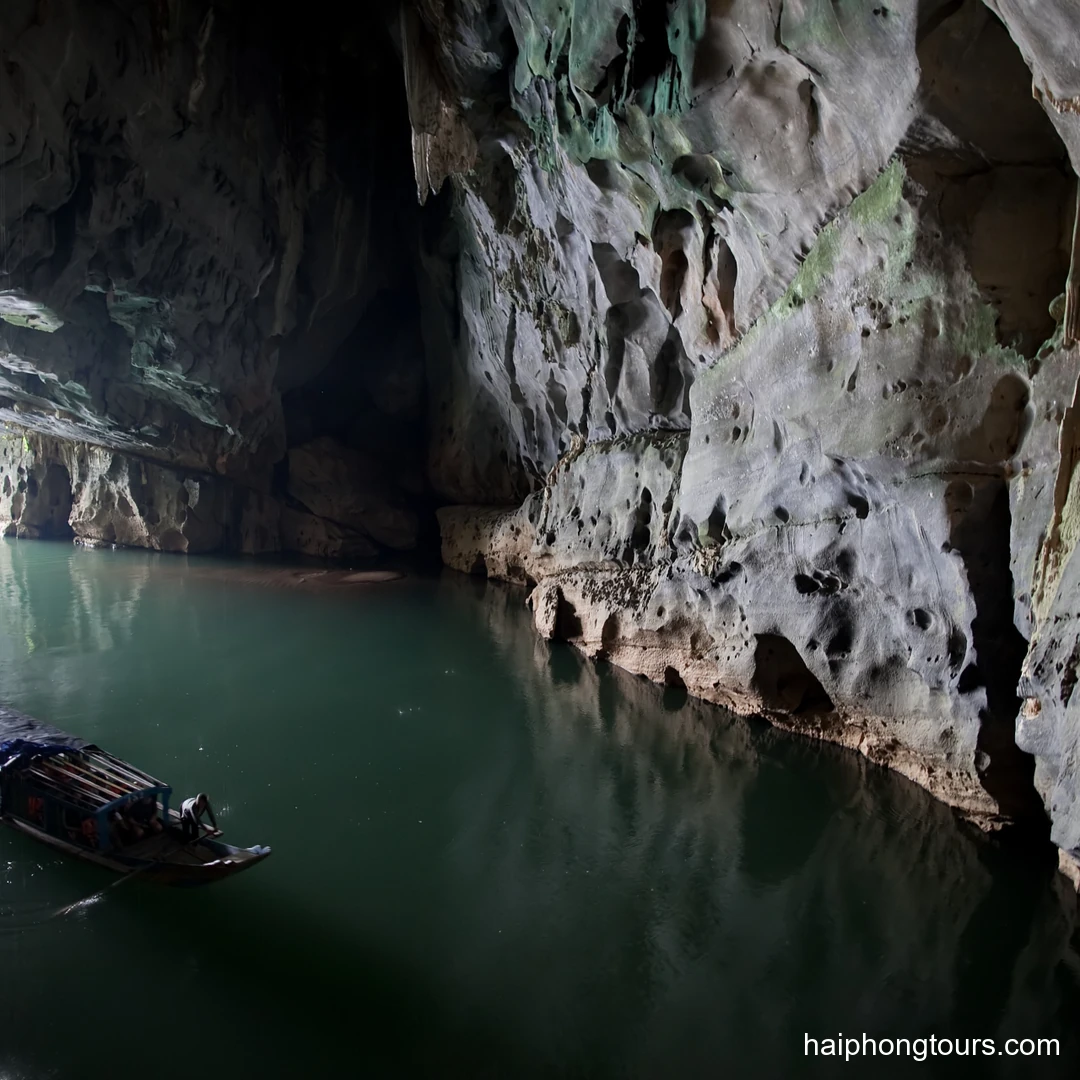
Phong Nha Cave involves a river journey. Dark Cave and Mooc Spring include water-based activities with their own operating decisions. Paradise Cave has a different visitor route, but that does not make its roads, paths and access immune to bad weather.
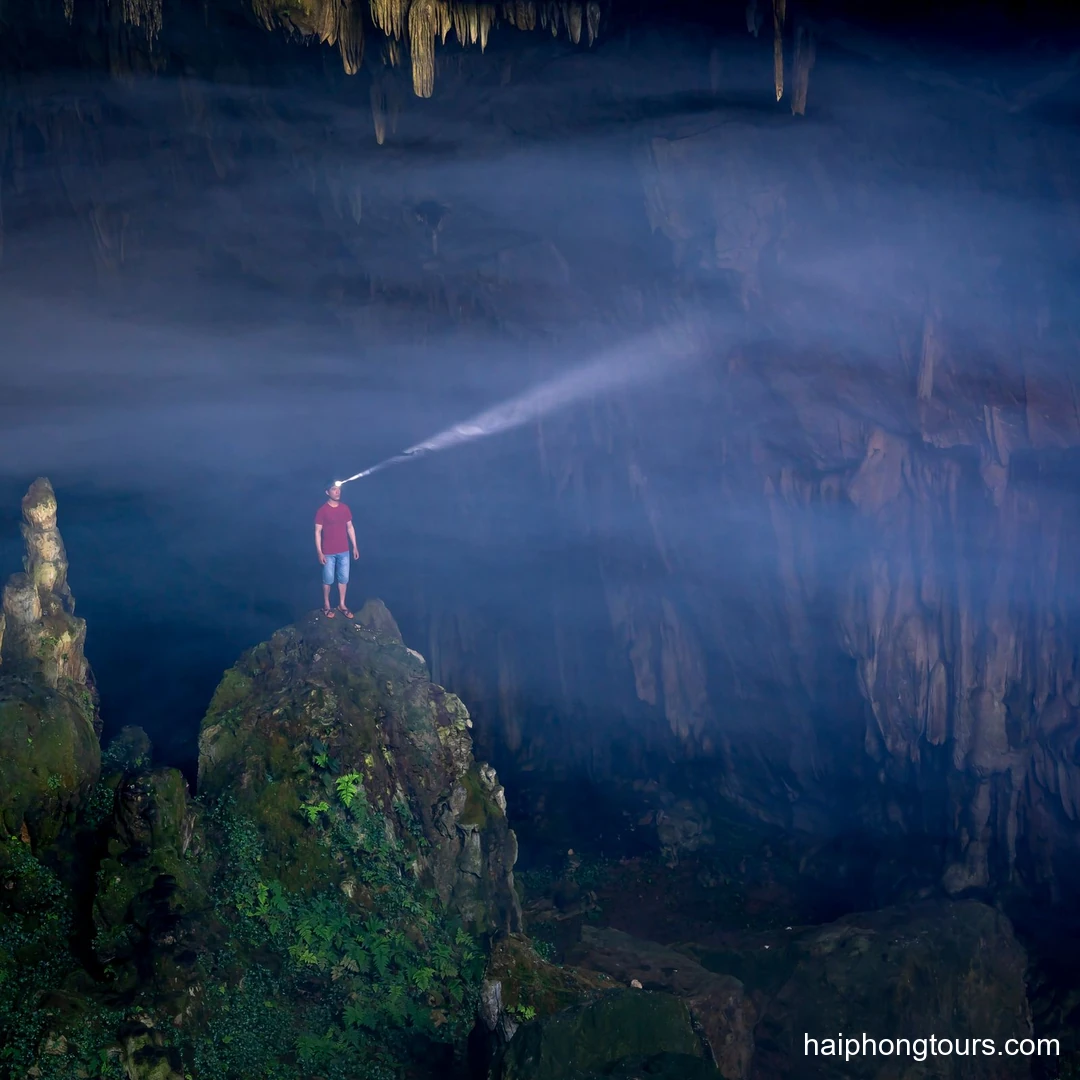
The national park has reported suspending some water attractions at particular times because prolonged rain raised water levels, while other attractions continued receiving visitors. Therefore “Phong Nha is closed” and “Phong Nha is open” are both too broad unless the speaker names the exact site and service.
Ask about the activity you intend to buy. An attraction may be receiving visitors while a specific component is unavailable. A sightseeing visit, a swimming activity and a guided expedition are different products, even if they share a destination name.
The operator’s instructions take priority over an old itinerary, an app icon or somebody else’s visit the previous day. A river activity is not a sheltered indoor alternative simply because part of it takes place in a cave.
Make three separate checks
- The weather warning: look at official forecasts and alerts for the relevant area, including heavy rain, flooding and landslide risk. Vietnam’s National Center for Hydro-Meteorological Forecasting publishes these warnings.
- The attraction: ask its operator whether the exact route or activity is operating and whether the admission window has changed.
- The journey: ask your accommodation and transport provider whether the route from your actual pickup point is usable.
These checks answer different questions. An open ticket counter does not guarantee that every hotel access road is usable. A running train does not guarantee that a local transfer can reach the station on the same schedule as usual.
Official alerts may use current administrative names, while older hotel and booking information still says Quang Binh. Search using the place names Dong Hoi and Phong Nha as well, and have your accommodation help identify whether a notice covers your route.
What to do with the answer
| Situation | Reasonable response | What not to assume |
|---|---|---|
| Ordinary showers, no relevant warning, operator running the activity | Follow the operator’s preparation advice and allow more time for movement and drying. | A rain icon alone means the whole day is canceled. |
| One attraction or activity is suspended | Ask about postponement, an agreed alternative or the applicable cancellation terms. | Another water activity is automatically a safe substitute. |
| Heavy-rain warnings, flooding, blocked roads or an instruction to stay put | Follow local authorities and your accommodation’s safety arrangements. | A private driver can safely bypass a closure. |
If an activity is canceled after you have paid
Keep the booking confirmation and the operator’s cancellation message. Ask whether the cancellation applies to the complete tour or one component, and request the offered choices in writing. Rescheduling, substitution and refunds depend on the terms of the actual booking; none should be assumed automatically.
Check the other parts of your day separately. Your hotel, train and transfer may have different conditions from the activity. If the replacement would finish later or start from another location, reassess the entire connection before accepting it.
Do not buy a second nonrefundable activity while the first decision is still unresolved. A useful alternative should fit your group, the weather and the onward route, not merely fill the empty hours.
How to keep the wider Vietnam itinerary flexible
Put the activity you most care about early enough in the stay that a later day remains available. If weather flexibility matters, two opportunities are more useful than booking every day with different prepaid commitments.
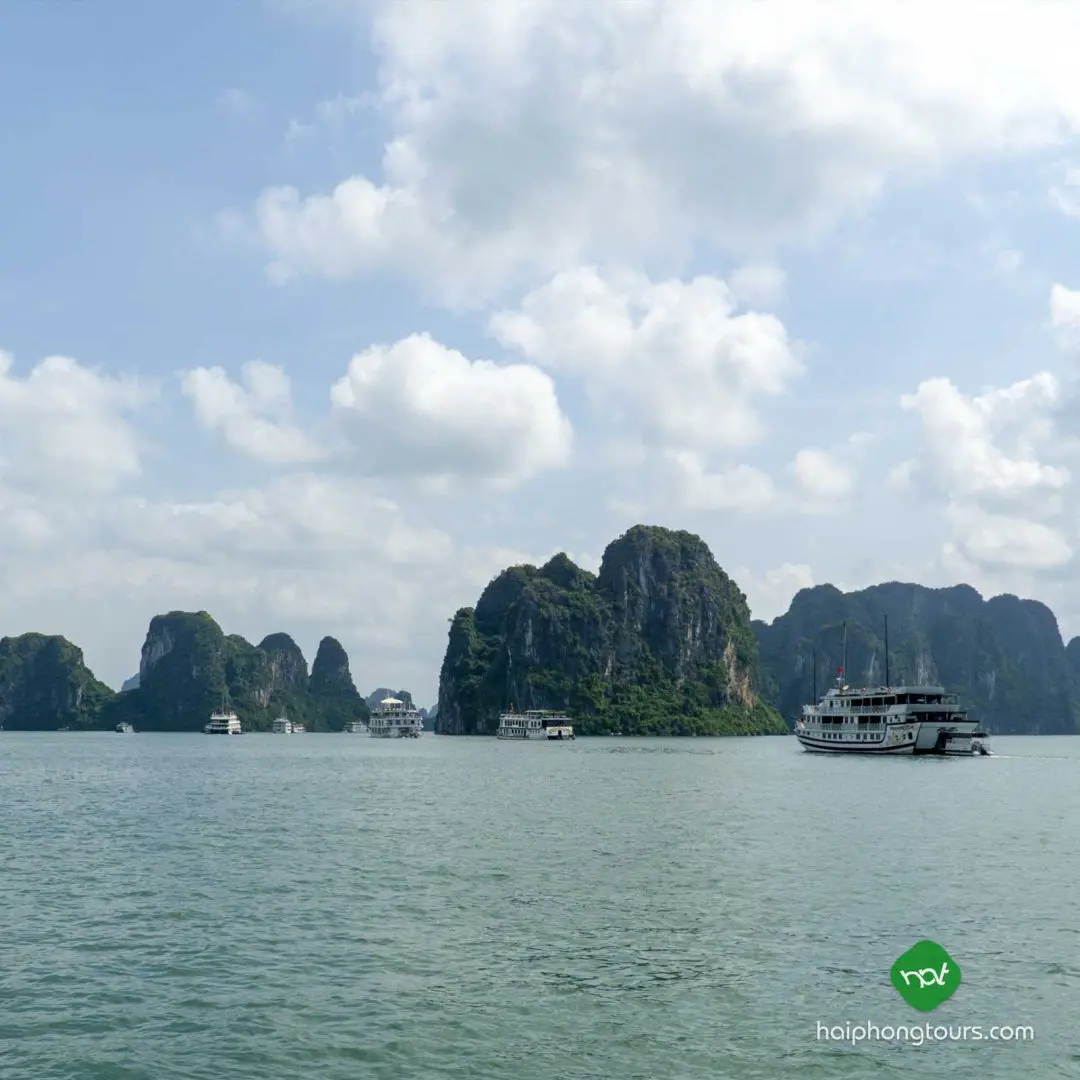
A spare day does not guarantee access, but it can make a short interruption easier to handle. It also gives you space for a normal rest day after arriving from Hanoi, Ninh Binh or Halong Bay. See the two- and three-day itinerary for a less compressed sequence.
Avoid using the last possible return from a remote activity to catch an important flight. For guided multi-day adventures, discuss weather delays and the recommended onward-travel margin with that operator before paying. A published expedition season does not mean every departure within it is guaranteed.
Before leaving for Hue or another destination, verify the next leg independently. Read the Dong Hoi to Hue guide for route choices, then use the actual service notice for your departure.
Rainy-day options when local travel is safe
In Dong Hoi, an open museum session, a seated local meal or time at your accommodation can be more satisfying than trying to force a full sightseeing route. The city-day guide can be shortened easily.
In Phong Nha, use the accommodation’s sheltered space, catch up on rest or plan your next leg. Ask about a nearby indoor option if available, but do not turn a flood situation into an excursion to look at rising water. Stay away from flooded crossings, river edges and restricted roads.
If conditions are severe, a “rainy-day itinerary” is the wrong objective. Stay with the local safety plan. Do not walk or drive through floodwater to save a booking, collect a photograph or follow a map shortcut.
Pack for the activity and the season
- Carry a light waterproof layer and protect documents, electronics and spare clothing from rain.
- Use footwear suited to the booked route. Slippery paths and stairs need more thought than a short urban walk.
- Keep a dry change of clothes accessible after a wet activity rather than buried in checked luggage.
- Bring layers for cooler periods and air-conditioned transport; do not pack only beach clothing.
- Charge your phone and save booking details offline before a long transfer.
- Follow the operator’s equipment list for an expedition instead of substituting a generic city packing list.
For the physical demands of particular attractions, use the cave-choice guide. Weather suitability and physical suitability both matter; an open attraction may still be the wrong choice for your group.
Need to adjust the route without creating a difficult connection? Contact us with your booked services, current location and the operator notice you have received. We can help you assess the itinerary implications; immediate safety instructions should come from local authorities and the people responsible for your accommodation or activity.