
Choose Du Gia when you want a valley overnight with a household meal and enough time to stay in one place. A second night can turn it from a late arrival and early departure into a full day with a short walk, a longer guided outing or simply time at the homestay. You do not need to ride a motorbike or swim at a waterfall to enjoy the stop.
Book the actual property, not just “Du Gia”. Accommodation is spread among settlements and working fields, and the room category determines privacy far more than a valley photograph. Coc Pang, written Cốc Pảng, is one useful village name to keep with an accommodation pin.
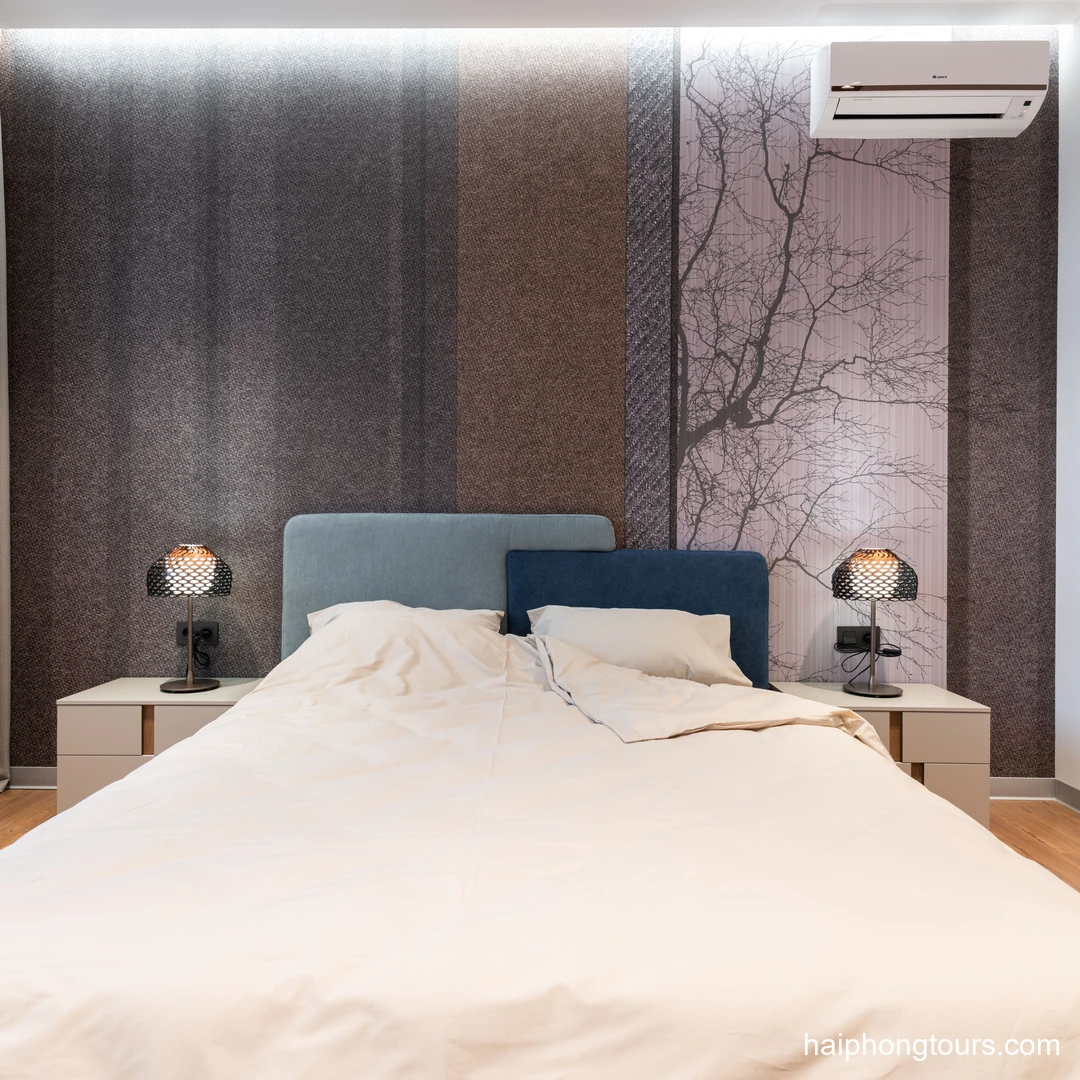
A concrete room example: Du Gia Cozy
Du Gia Cozy Homestay and Tours publishes its location as Cốc Pảng. Its own accommodation page distinguishes several arrangements:
| Category | Published arrangement | Practical implication |
|---|---|---|
| Dormitory | Single beds, curtains, fans and shared bathroom | Social sleeping arrangement rather than a private room |
| Private room | Double bed with a shared bathroom | Privacy while sleeping does not include a private shower |
| Private bungalow | Ensuite bathroom and a balcony | A different choice when bathroom privacy matters |
The displayed standard prices are 300,000 VND for a private room and 500,000 VND for a private bungalow; these are the property’s published figures, not a booking guarantee for every date. Confirm the category and complete price directly. The page also describes breakfast, hot showers, mosquito nets and laundry service.

This example illustrates why “private homestay room” needs a second question. If your requirement is a private bathroom, put that in the reservation. If you need two separate beds, a double-bed description is not enough. Other Du Gia properties may have different layouts, so do not transfer Cozy’s facilities to the whole village.
Choose the atmosphere as well as the bed
Cozy describes shared dinners and lively social evenings. That can suit someone who wants to meet other travellers. A family with an early bedtime may prefer a room farther from the dining space or a property whose evening arrangement better fits their routine.
A quiet-looking view does not establish a quiet room. Identify where meals and group gatherings happen relative to the sleeping area. A separate bungalow can give physical privacy without guaranteeing silence from every neighbouring business.
For a two-night stay, make sure you would be comfortable spending several hours at the property. Look for the actual place you can sit, read or eat, rather than choosing only a view intended for a short photo stop. A room used as a rest base has different needs from a bed occupied only overnight.
Build a slow day around one main activity
Start with breakfast and decide whether you want a local village walk or a substantial guided outing. Keep lunch and an afternoon rest as real parts of the day. A slow stay does not need to be filled with a new attraction every hour.
Du Gia Cozy advertises a half-day guided walk of about four hours through rice terraces and hamlets, with a waterfall in the itinerary. It also advertises a longer full-day option. Those are third-party programmes, and the exact walking route and waterfall should be identified in the accepted booking; the word “waterfall” alone does not establish Ba Tien access.
The half-day page lists a starting price of 1,000,000 VND per person with a minimum of two. Use that as a published product reference and obtain the exact route, inclusions and total. A four-hour trek is not a casual stroll for every traveller, so request an appropriately shorter activity if that is what you need.
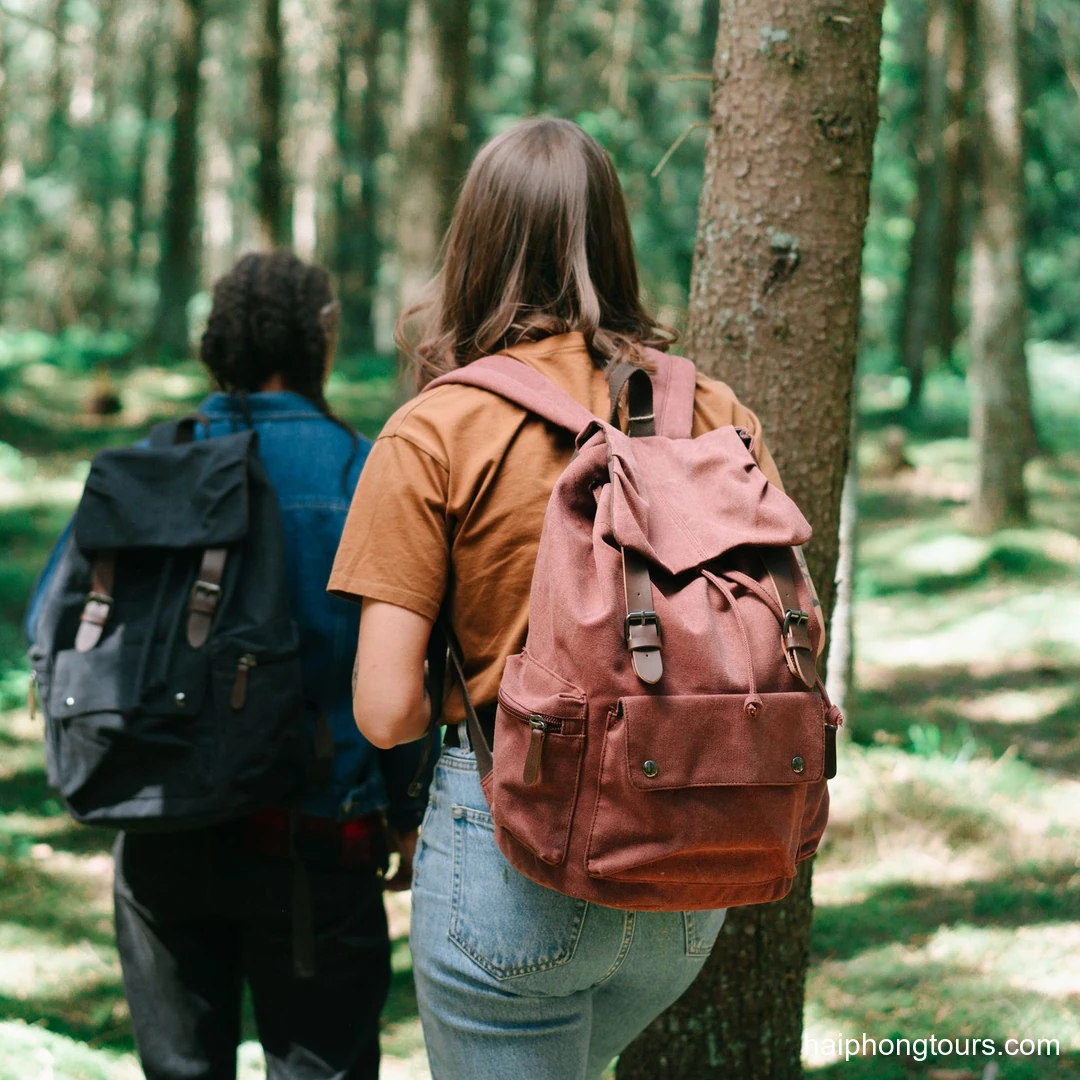
A waterfall is optional
Ba Tien is the locally documented waterfall attraction associated with Du Gia. Provincial authorities have identified infrastructure and safety conditions that need to be addressed before organised visitor use. A photograph of other travellers in the pool does not establish permission or suitable conditions for your visit.
If a permitted visit is available, enjoying the view without entering the water is a complete choice. If access is restricted or conditions are unsuitable, keep the valley day focused on the village and meal you have already arranged. Do not build an entire overnight around an assumed swimming session.
Du Gia village is not a national-park ticket
The Du Gia–Dong Van Karst Plateau National Park is a protected forest area with conservation responsibilities, including limestone-forest habitats and threatened wildlife. Its name overlaps the destination, but a homestay reservation in Du Gia does not grant access to every forest trail or a wildlife-watching programme.
The national conservation authority describes protection and environmental education as central purposes. Forestry authorities have also published plans for tourism development. A development plan is not the same as a staffed visitor route available on your date.
For a nature-focused enquiry, request the actual trail, the organisation responsible for permission and the guide who will receive you. Avoid any promise of seeing rare primates simply because they occur in the protected area. A village walk through cultivated land can be worthwhile without being advertised as a national-park expedition.
Make the meal part of the visit
Agree dinner before the household cooks, especially if your arrival is late or the group has dietary restrictions. The Ha Giang food guide explains local dishes and how to make an ingredient request clear. A family-style meal can mean sharing with other guests; tell the provider if you need a different arrangement.
You can decline alcohol while joining the meal and conversation. Drinking is not a requirement for a respectful cultural visit. If cooking interests you, reserve a specific supervised task rather than assuming a dinner booking gives access to the kitchen.
The Dong Van Karst Plateau guide helps place Du Gia within the broader journey. Arrange the homestay’s own activities directly with its team.
Would you like help fitting this experience into your trip? Contact us with your travel dates, starting point, available time and group size. Tell us about walking limits or special interests so we can suggest a practical itinerary.