
Start a first northern Vietnam bay-cruise decision with door-to-door time and whether the traveler wants a day boat or an overnight cabin. Choose the actual route and departure port next, then compare vessel facilities and total price.
Do not begin with Ha Long, Lan Ha or Bai Tu Long as marketing labels. Hai Phong Tours recommends ending the decision at one exact vessel, route, port and transport chain.
Step 1: Set the real time available
One day favors an authorized day cruise with a realistic road return. A 2D1N program gives one afternoon, one night and one morning. A 3D2N program is worthwhile when the middle-day route matters.
Count hotel pickup, port reporting, public exit and the next fixed booking. Package names do not represent full 24-hour sightseeing days.
Step 2: Decide whether to sleep onboard
Choose a day product when the traveler does not want a cabin or overnight. Choose an overnight only when sunset, sunrise, cabin time or the slower schedule adds value.
A night onboard is not required to see limestone scenery. The choice should reflect sleep comfort, cabin occupancy and the actual itinerary.
Step 3: Read the named route
List the cave, island, village, beach, kayak or sampan and anchorage. Official route and operator information should match the booking.
A category or bay name is only the first filter. Two cruises sold under the same label can have different stops and activity demands.
Step 4: Keep the three bay patterns distinct
Ha Long has a broad day and overnight market. Lan Ha can suit Cat Ba or specific day and overnight chains. The current Bai Tu Long catalogue is mainly overnight.
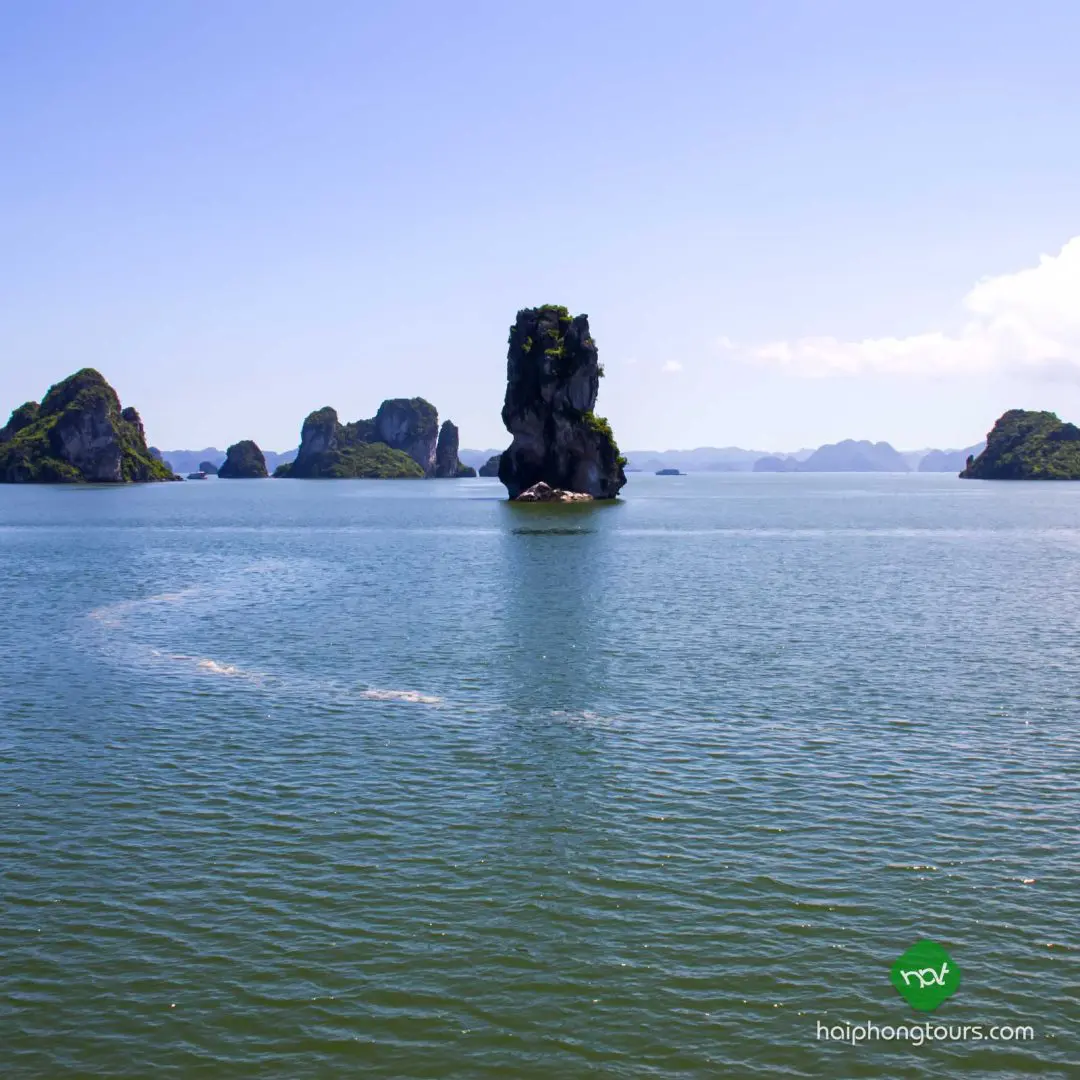
These are prompts, not rankings. Recheck current inventory and choose the route the traveler actually wants.
Step 5: End at the exact port
Record the passenger port, marina, desk or lounge and reporting time. “Ha Long Bay” is not a driver destination.
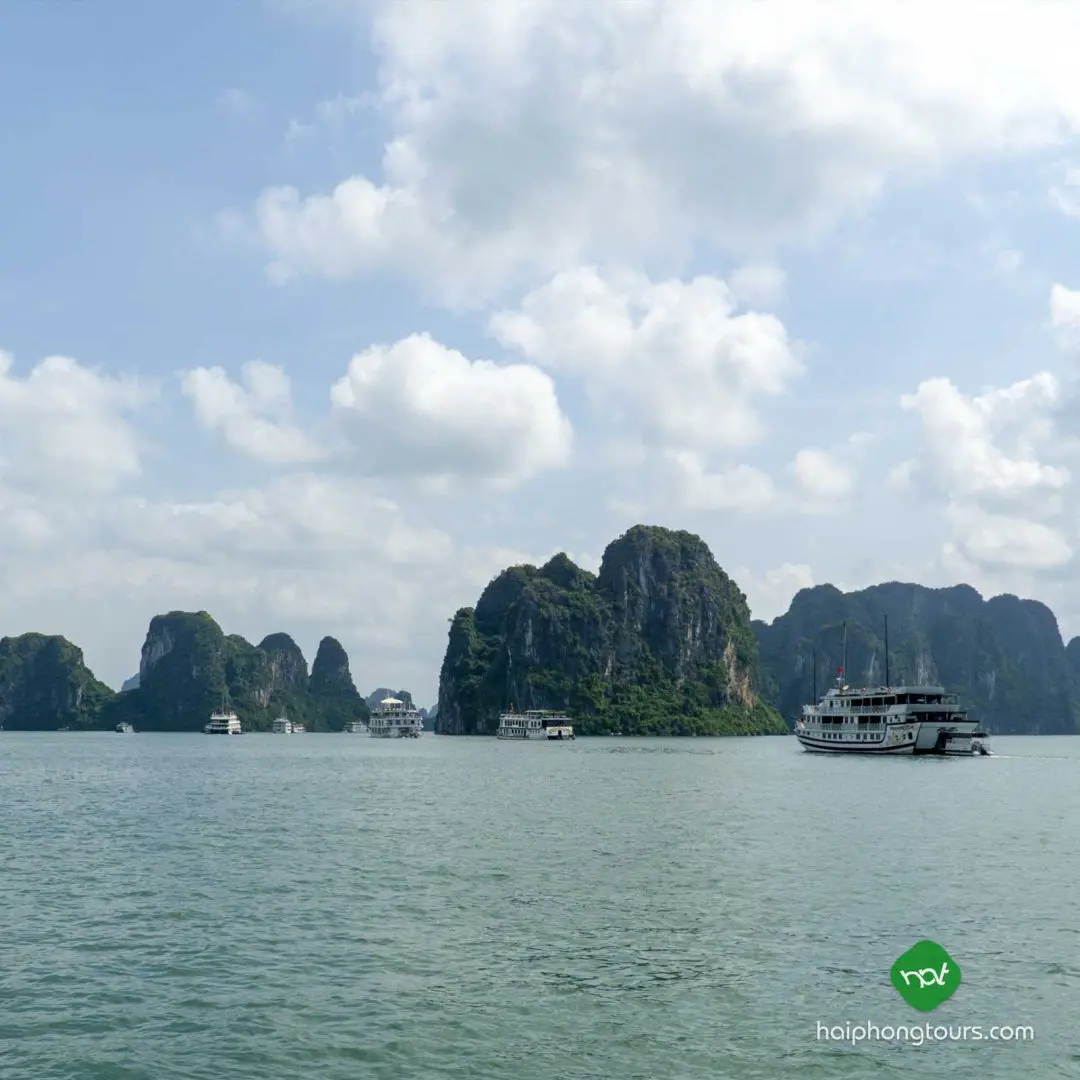
Match the origin, such as Hanoi, Ninh Binh, Hai Phong or Cat Ba, to the full road and boat chain and final return endpoint.
Step 6: Audit physical fit
Check road-vehicle step, terminal walk, gangway or tender, cabin deck, cave stairs, island climb and kayak or sampan. Luxury and elevator labels do not prove the whole route fits.
Ask for a safe onboard alternative when an activity is skipped. Do not rely on crew carrying a traveler across an unverified transfer.
Step 7: Choose the exact room or cabin
For a day cruise, compare public lounge and any private room. For an overnight, confirm sole or shared occupancy, bed, bathroom, deck, balcony, noise and emergency route.
Use the exact vessel and room, not a fleet photograph. Family or connecting arrangements must appear in the confirmation.
Step 8: Confirm food and medicine
Send dietary requests to the operating kitchen and obtain a written answer. A menu does not prove allergen control.
Temperature-sensitive medicine needs a plan approved by the healthcare professional and confirmed stage by stage. A minibar is not a medical guarantee.
Step 9: Build the all-in price
Separate cruise fare, cabin occupancy, transfers, port or sightseeing charges, drinks, optional activities, holiday surcharge and child policy. Avoid comparing an incomplete “from” price with an all-in quote.
Ask how vessel substitution, route change and cancellation affect each paid item.
Step 10: Keep a lawful weather fallback
Local authority decisions control departure, route and suspension. Read the operator’s substitute and cancellation terms and hold a land-based alternative.
An unofficial boat is never the answer to a cancellation. Move the road, hotel or onward booking instead.
Avoid the two-bay collection trap
Do not buy two similar cruises only to claim two bay names. A cross-bay itinerary is useful when its authorized route and transfer chain add distinct places or experiences.
Otherwise, one better-fitted cruise leaves more time and budget for the rest of northern Vietnam.
Use the comparison categories at the right branch
Begin with the Hai Phong Tours cruise category. Then move to day, Ha Long, Lan Ha or Bai Tu Long listings only after the time and route decision points there.
Save one complete booking record
Keep vessel, route, duration, port, reporting time, cabin, meals, activities, pickup, drop, luggage, special requests, passenger documents and weather terms in one confirmation.
If the port, vessel or route changes, compare the substitute with the original decision. Decline a verbal bay switch that removes the reason for booking.
Let the tree end at a real trip
Run three sample branches
A traveler with one day and classic cave or island priorities can compare current Ha Long day routes. A Cat Ba-based traveler interested in kayaking can compare exact Lan Ha departures. A traveler who accepts an overnight and specifically wants the available Bai Tu Long route can compare that current category.

These branches do not rank the bays. They show how time, origin and desired activity narrow the list before vessel marketing enters the decision.
Stop when one field remains unconfirmed
A wrong port, vague cabin, missing food response or uncertain transfer can invalidate an otherwise attractive cruise. Hold payment until the operating provider answers the field that matters to this traveler.
When no product fits, choose a land-based day or a different date rather than forcing the least-bad boat. The decision tree should be allowed to end with “not this trip.”
Recheck the final confirmation
Read the vessel, route, port, reporting time, room, meals, pickup and fallback aloud. Another traveler should be able to run the day from that record without guessing which bay or terminal the seller intended.
The final answer is not the “best bay.” It is one authorized cruise whose route, room, physical demands, food, transport and fallback fit the traveler’s actual time and priorities.
Useful guides for your trip
Need help choosing the cruise or coordinating the shore transfer? Contact us with your date, preferred route, group size and starting point. Tell us about any dietary, mobility or onward-connection needs before booking.