
At Gia Lam Railway Station, first ask whether the onward train can validly board there or whether the ticket can be changed. Use a road vehicle to Hanoi Railway Station only when the official seller confirms that the current ticket still requires Hanoi.
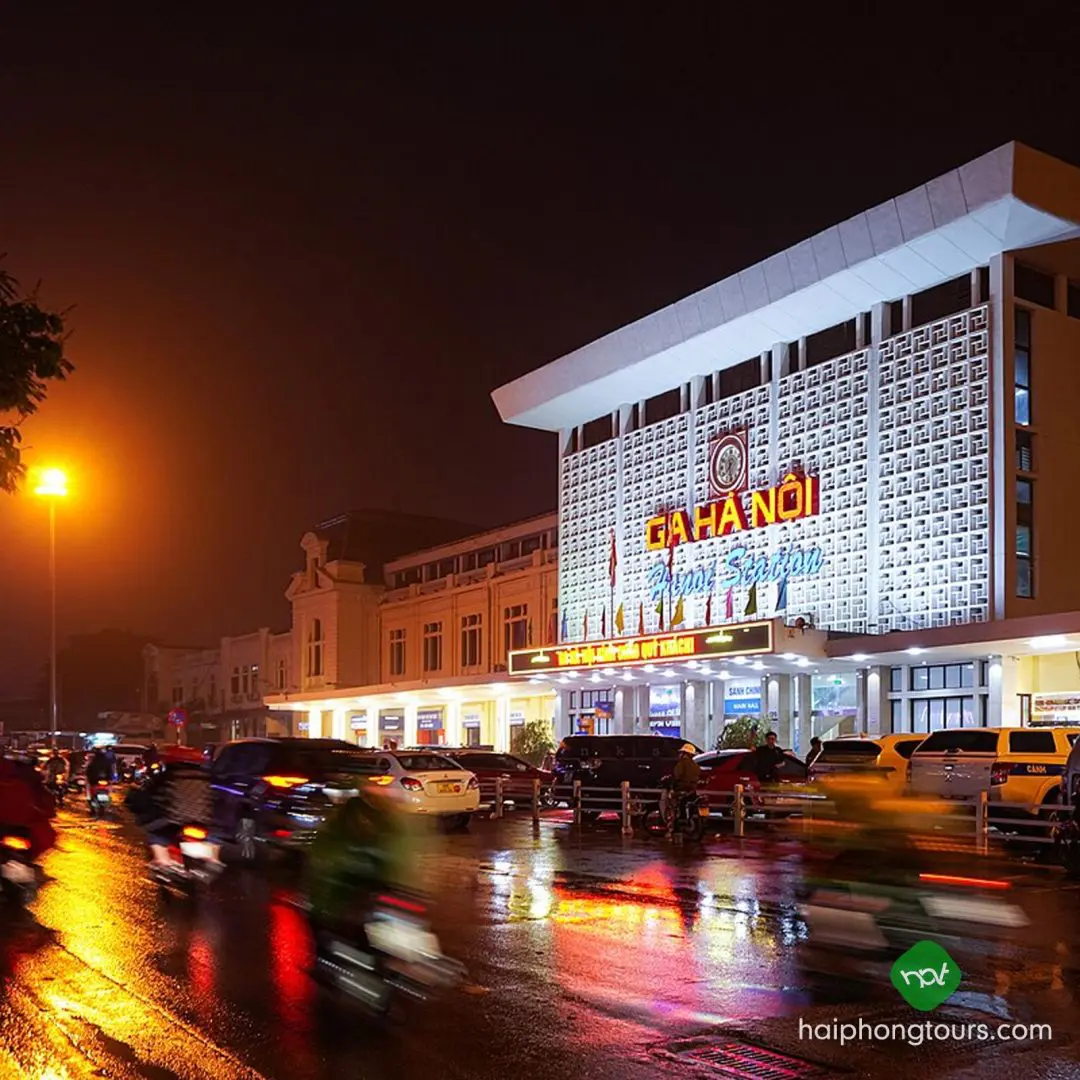
Do not confuse the pickup with Gia Lam Bus Station. Remain in the staffed railway passenger area, identify the licensed driver and send the ticketed Hanoi station side before loading.
Test a valid Gia Lam boarding
Show station staff or the official seller the onward ticket, train code, date and departure. Ask whether that exact train stops at Gia Lam and whether the passenger may board there under the current ticket. Selected trains naming both stations do not create universal permission.
If boarding at Gia Lam is authorized, obtain the corrected or validated ticket record and cancel the road move under its terms. If it is not authorized, ask for the Hanoi reporting requirement and the ticketed public side.
Current railway reporting shows Gia Lam as an active passenger facility, while the selected Hanoi to Lao Cai pattern names both Gia Lam and Hanoi. Neither fact substitutes for an issued ticket on the travel date.
The road transfer is independent of both rail journeys. A late inbound train or slow platform release does not oblige the onward train to wait. Use the official change or refund path when the margin disappears.
Separate Gia Lam railway from the bus station
Write Gia Lam Railway Station as the pickup. Add the passenger exit confirmed by uniformed staff. A Gia Lam district pin, bus terminal or roadside rail crossing is not the correct handoff.
Match the driver’s name, plate and vehicle before leaving the staffed area. If the assigned car is waiting at Gia Lam Bus Station, do not walk there with luggage. Make the provider correct the pickup or cancel safely.

The Hanoi Railway Station guide helps check the final ticket and station distinction. It does not determine whether this exact train can board at Gia Lam.
Choose the correct side of Hanoi Railway Station
Hanoi Railway Station uses public-side instructions around Le Duan and Tran Quy Cap. The ticket, train and current station staff must set the arrival side. Do not let the driver choose by traffic convenience alone.
Send the complete station side and train code in the booking. Ask where the car may unload lawfully and how far the passenger must move to the staffed entrance. Arrival beside the railway boundary is not station entry.
If staff revise the side, update the driver before the car enters central traffic. Stay at a safe public point until the driver repeats the replacement. Do not cross tracks or use an informal gate.
Build the road-ready time honestly
The clock starts after the inbound train arrives, passengers leave the platform, every bag is collected and the group reaches the road pickup. Give the driver that range and the inbound train code. Record included waiting.
Declare suitcases, stroller, wheelchair, child seat and bulky equipment. Confirm usable cargo after passengers are seated. Keep ticket, passport, medicine and valuables in a personal bag.
Ask Hanoi station separately about boarding assistance, platform changes and large-item handling. The taxi’s responsibility normally ends at the public drop. Include the internal station process in the deadline.
Choose taxi or prearranged car by risk
A licensed taxi can work for one lightly packed traveler with a flexible ticket and clear station side. A prearranged car is more useful for a group, several cases, low mobility or a departure that is hard to replace.
Keep app bookings in the app and match the plate. Do not accept an unmarked vehicle because the train is close. A later valid departure is safer than an undocumented ride between stations.
Hai Phong Tours does not sell this exact road move. Confirm the station authority test, vehicle and Hanoi passenger entrance with the organizations that control them.
Recover from a lost margin
If Gia Lam release is late, ask the official seller whether boarding there has become an authorized option or whether the onward ticket can move. Update the driver only after the rail decision is clear.
If the driver reaches the wrong Hanoi side, follow current station instruction and use a lawful public drop. If the safe reporting time is gone, stay with staff and change the ticket instead of rushing across the station.
Use a four-field station message
Send the driver the words Gia Lam Railway Station, the staffed passenger exit, Hanoi Railway Station and the ticketed public side. Add the train code. Ask for a written repeat so that bus-station and district results are rejected before dispatch.
Ask Gia Lam staff where a vehicle may stop without blocking station access. Ask Hanoi staff whether the named side remains correct for the train. These answers decide whether the car can leave or the ticket should be moved.
Keep enough cash or an accepted payment method for a recorded ride, but do not negotiate with an unmarked vehicle inside the connection window. The provider’s identity and receipt are part of the handoff when baggage or a complaint must be traced.
- Official answer on boarding at Gia Lam.
- Final ticket naming the boarding station.
- Gia Lam railway passenger exit.
- Hanoi Railway Station public side.
- Driver, plate, luggage and assistance.
- Later train or Hanoi overnight fallback.
Use the road connection only after the railway rejects or cannot validate Gia Lam boarding. The safe interchange is a verified ticket decision followed by a documented car to the exact Hanoi passenger side.
Useful guides for your trip
Would a private transfer make this journey easier? Contact us with your travel date, exact pickup and drop-off, number of travelers and bags. Include any flight, train or cruise deadline so we can assess a suitable plan and quotation.
