
Match the engine size to the actual entitlement
Vietnam’s current motorcycle categories distinguish A1, for motorcycles up to 125 cc or electric power up to 11 kW, from A, for motorcycles above those limits and the A1 vehicles. This is why a 150 cc rental cannot be treated as legally equivalent to a 110 cc or 125 cc machine.
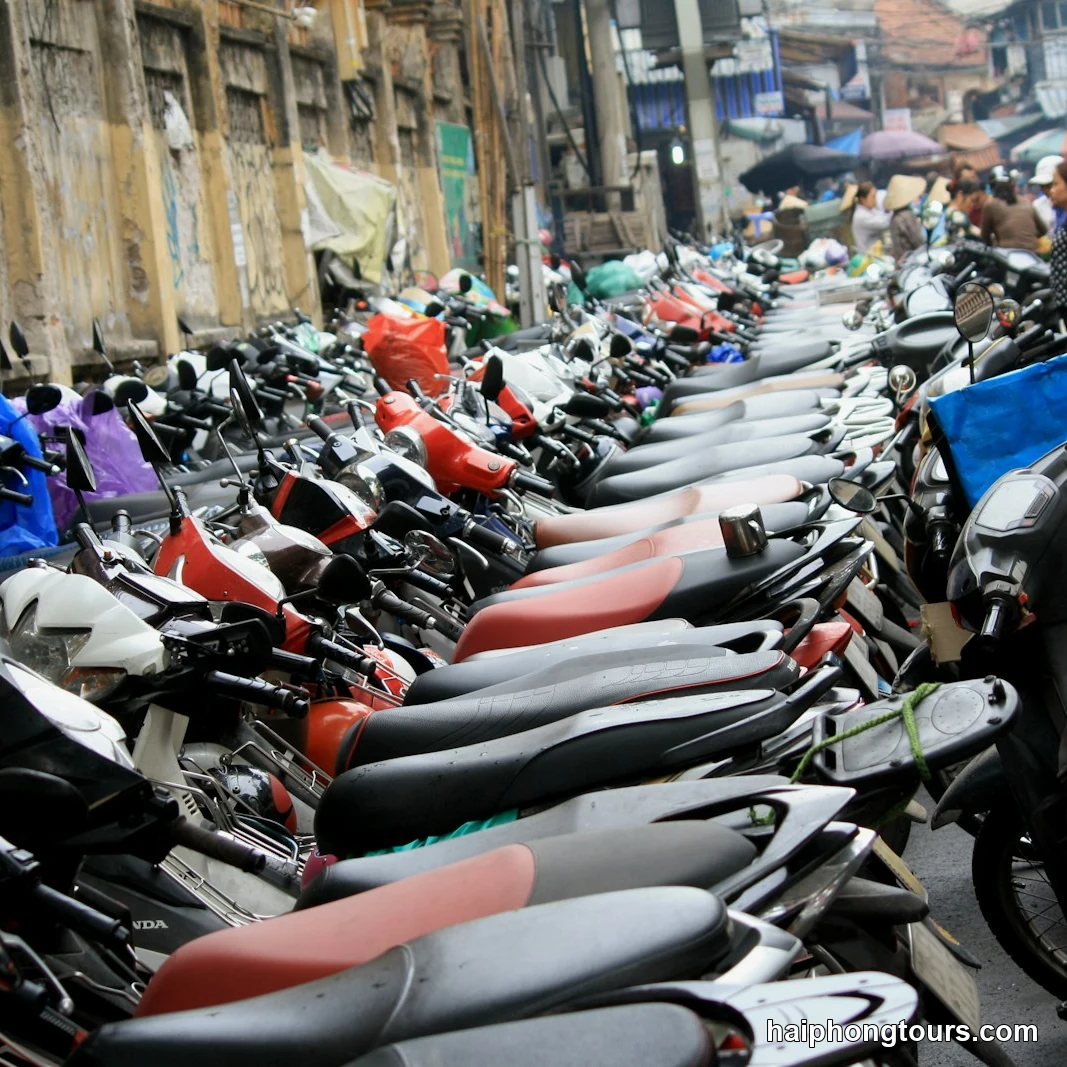
For a foreign visitor, the decisive question remains whether the recognised documents cover the actual motorcycle. Do not assume a category letter on a home licence has exactly the same meaning as a Vietnamese category. Older Vietnamese licences can also retain different entitlements under transitional rules, so inspect the document and applicable entitlement rather than using one simplified chart for every rider.
There is more than one recognition pathway
A valid Vienna Convention international driving permit used with the matching national licence is one recognition route. Vietnamese law also recognises qualifying licences under applicable treaties or mutual-recognition agreements. This does not make every foreign national licence valid by itself, and a Geneva-format permit should not be substituted for the Vienna-format route.
Before buying a non-refundable rental, identify the issuing country, the recognised pathway, the permitted vehicle class and any restrictions. An online translation card does not create a motorcycle entitlement. If the evidence is unresolved, select a passenger or driver-led car arrangement.
Three permissions answer three different questions
| Document or arrangement | Question it answers |
|---|---|
| Recognised driving entitlement | May you operate this vehicle? |
| Insurance wording | Which losses and activities does this particular policy cover? |
| Border-area permission | May this foreign visitor enter the relevant area for the planned activity? |
An easy-rider passenger does not need a driving licence merely to sit as a passenger, but that does not settle border-area permission or personal insurance. The same distinction applies to a visitor travelling in a car. Tuyen Quang police separately check immigration, accommodation registration and vehicle conditions in border areas.
Send the insurer the actual mode: self-rider, motorcycle passenger or car passenger. A reply about motorcycle damage is not an answer about your medical treatment or evacuation, and a border permit cannot repair a missing driving entitlement.
Choose self-riding on the Ha Giang Loop only after verifying that the actual licence, any international permit, motorcycle category, Vietnamese legal requirements, and travel insurance all cover the ride. If any link is unclear, use a qualified local driver or another non-self-drive plan rather than relying on a rental shop’s verbal assurance.
This is not a test of confidence or previous riding experience. A traveler can be skilled but not legally licensed for the vehicle, or licensed but uninsured for the route and engine category. Check law and insurance separately.
Identify the exact vehicle
Ask for the motorcycle make, model, engine or licence category, registration evidence, and rental terms before paying. A generic promise of a “small bike” is not enough. The legal and insurance position can depend on the actual category.
Do not accept a different motorcycle at pickup without repeating the check. Photograph the condition, documents, controls, tires, lights, and existing damage only after the vehicle is lawfully offered.
Verify the home licence
Check that the licence is current and includes the motorcycle category required for the actual vehicle. A car entitlement does not automatically prove motorcycle entitlement. Keep the original document and any required translation or supporting permit.
If the licence is provisional, restricted, expired, or excludes the category, do not treat an international permit as creating an entitlement that the home licence lacks.
Verify the international-permit framework
Use Vietnam’s current legal framework and confirm that the permit convention, issuing authority, validity, home licence, and vehicle category are recognized for the planned ride. Avoid slogans such as “an IDP is always enough” or “foreign licences never work.”
Carry the documents required by the current rule. A rental company accepting a photocopy does not decide whether the rider is legal on the road.
Check insurance separately
Read the travel insurance wording for motorcycle use, engine or vehicle category, licence requirements, helmet conditions, excluded activities, and territorial coverage. Ask the insurer in writing when the wording is unclear.
Do not assume the rental company’s vehicle cover pays the traveler’s medical, evacuation, liability, or trip costs. Also do not assume travel insurance remains valid when licence conditions are not met.
Compare self-ride with a local driver
Self-ride suits only travelers whose legal documents, insurance, vehicle category, experience, health, and risk tolerance align. The decision should remain acceptable in rain, poor visibility, fatigue, roadworks, and unfamiliar mountain conditions.
A local driver option removes the visitor’s self-riding task but still requires checks. Confirm the operator, driver arrangement, passenger helmet, vehicle, luggage, itinerary, accommodation, and what happens if weather or road conditions change.

Ask what “easy rider” means
The phrase can describe different products. Confirm whether the traveler rides as a passenger, whether one driver carries one passenger, who holds the relevant licence, and whether luggage is transported on the same vehicle.
Get the inclusions and responsibilities in writing. Do not assume the label guarantees a particular safety standard, insurance policy, or route.
Match luggage to the choice
Carry only what can be secured without affecting steering, suspension, lights, or passenger space. Keep passports, medicine, electronics, and rain protection accessible. Confirm where larger luggage remains and how it is retrieved.
As a passenger, ask how bags are secured and whether the weight leaves safe seating space. Do not wear a heavy loose backpack that changes balance throughout long riding days.
Set stop conditions
Decide before departure what conditions stop the ride: illness, fatigue, damaged equipment, poor visibility, weather, document concern, or a route change outside the confirmed plan. A paid rental is not a reason to continue unsafely.
Keep offline contacts, accommodation details, and a recovery plan. Avoid traveling alone when the route, communications, or weather makes assistance uncertain.
Assess riding ability separately from legality
Legal documents do not prove that a traveler can control the loaded motorcycle on steep, wet, narrow, or damaged roads. Evaluate recent motorcycle experience, braking, slow-speed balance, cornering, passenger weight, and fatigue honestly.
A short practice ride near the rental point cannot reproduce every mountain condition. Stop if the vehicle feels unfamiliar or the luggage changes handling. Choosing a local driver after testing the bike is a valid safety decision.
Check the passenger arrangement
For an easy-rider option, confirm who drives, who owns or supplies the motorcycle, and whether the traveler is strictly a passenger. Ask how daily distances, rest stops, weather changes, and accommodation are decided.
The passenger should have a properly fitting helmet and secure foot position. Confirm where the backpack goes and how rain protection is handled. Do not accept a seating arrangement that blocks controls or forces the passenger to hold unsecured luggage.
Document the vehicle handover
Record fuel level, visible damage, keys, documents, included equipment, and emergency contact at pickup. Read the deposit and damage terms before signing. Do not leave a passport as security unless the traveler has independently accepted the legal and practical risk.

If a fault appears, stop using the vehicle and contact the provider. Photograph the issue when safe. An itinerary deadline is not a reason to continue on unsafe brakes, tires, lights, or steering.
Red flags
- A seller says documents are never checked;
- the actual motorcycle category is withheld;
- insurance is described only as “included” without terms;
- the renter is told to present someone else’s documents;
- the vehicle changes without a new check;
- the itinerary requires riding beyond the traveler’s ability.
Decision checklist
- Actual motorcycle and category identified;
- home licence current and correctly endorsed;
- permit convention and Vietnamese recognition verified;
- travel and vehicle insurance checked separately;
- helmet, luggage, and passenger plan confirmed;
- local-driver responsibilities documented;
- weather and stop conditions set;
- self-ride rejected if any legal or insurance link remains unclear.
Hai Phong Tours does not license riders, issue permits, insure motorcycles, or operate Ha Giang Loop rides. Verify the actual documents, vehicle category, and insurance before choosing self-ride.
Useful guides for your trip
Would you like help fitting this experience into your trip? Contact us with your travel dates, starting point, available time and group size. Tell us about walking limits or special interests so we can suggest a practical itinerary.