
Pack for Ha Giang in three layers: what stays with you, what travels on the road, and what can remain in storage. This works for a motorcycle passenger, a car traveller or a western mountain stay. The aim is to reach rain gear, documents and personal essentials without unloading a strapped bag at every stop.
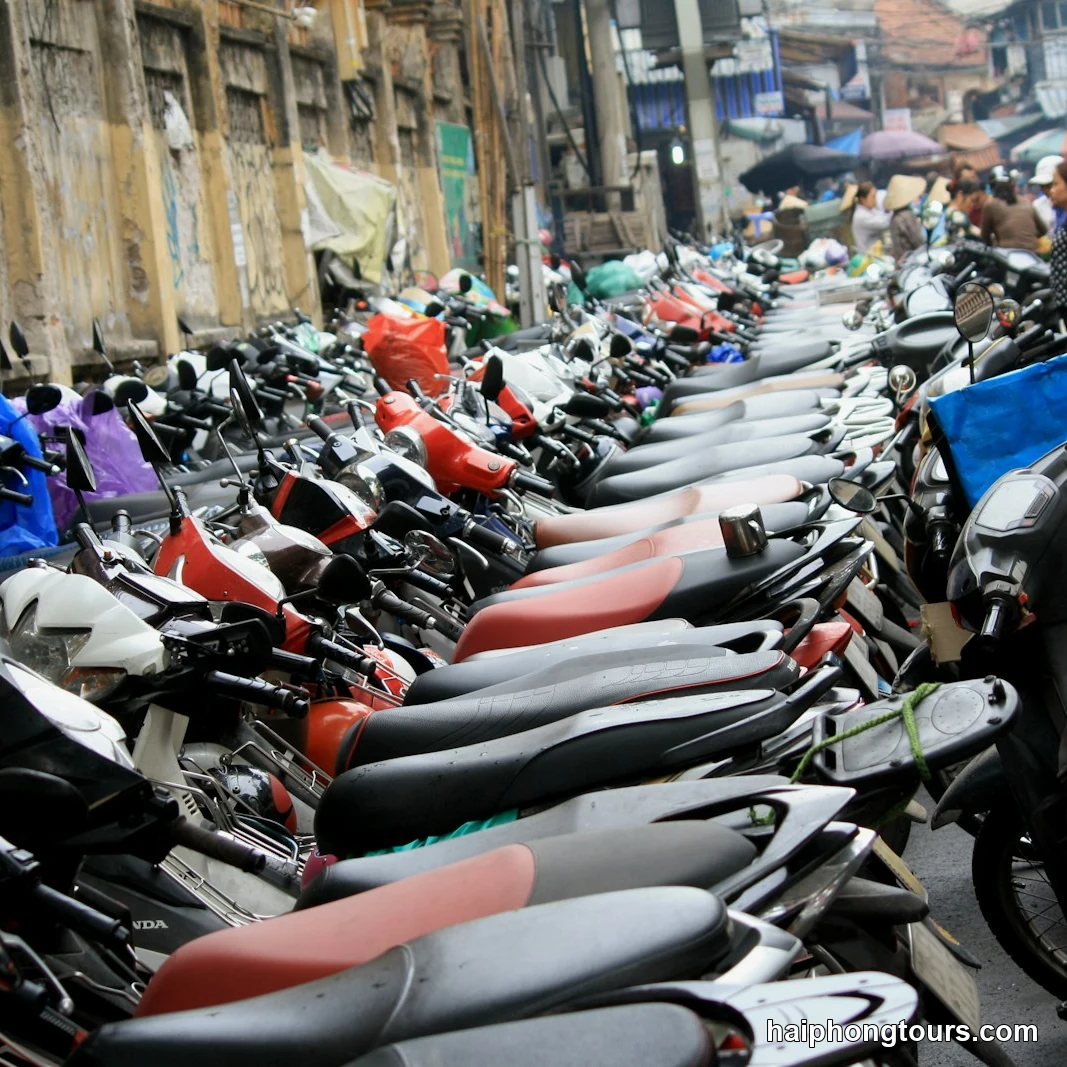
Choose the transport and the overnight arrangement before buying equipment. A small motorcycle bag, an en-suite room in Dong Van and a walking stay near Hoang Su Phi create different needs. The most useful packing list describes those differences instead of adding the same item to every traveller’s bag.
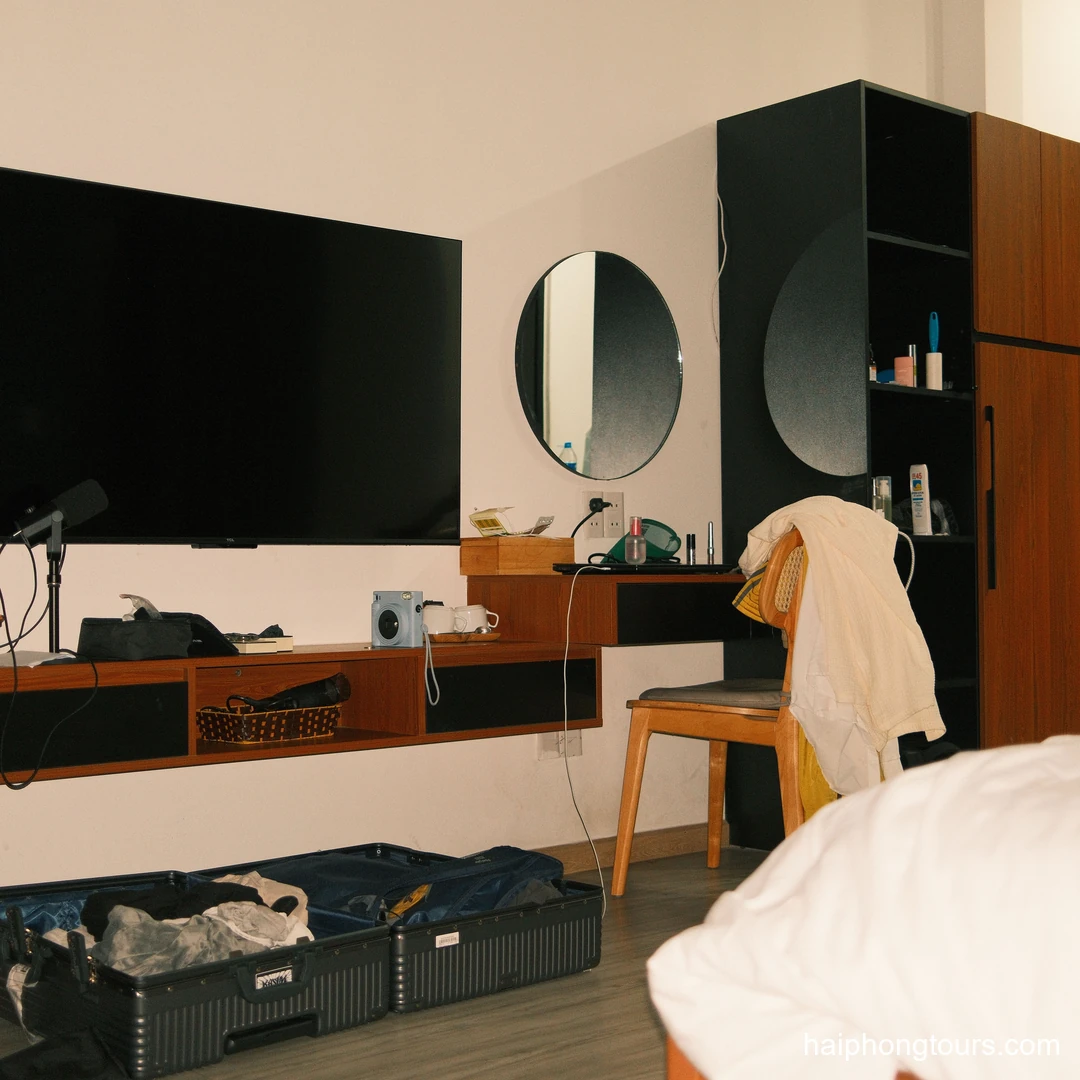
Keep a small essentials pouch with you
- Passport and required travel documents, protected from water.
- Original driving documents if you are driving, with secure copies kept separately.
- Phone, a working cable, charged power bank and offline contacts.
- Personal medication and information you may need during a delay.
- Enough accessible cash for the day’s agreed expenses.
- Water, a small snack and personal hygiene supplies.
- A dry layer or waterproof shell that can be reached quickly.
The pouch should be comfortable when seated and should not interfere with a motorcycle helmet, jacket or seat belt. Avoid hanging valuables where they swing against the rider or are easy to drop when getting on and off. Give essential medication its appropriate storage conditions rather than assuming any waterproof bag is suitable.
Match clothing to the vehicle
| Trip type | Priorities | Common unnecessary burden |
|---|---|---|
| Motorcycle passenger | Well-fitting helmet and protective equipment, secure rain layers, closed footwear, gloves and a dry change. | A heavy backpack worn throughout every riding stage. |
| Self-drive motorcycle | The same personal protection, plus documents and the equipment agreed with the rental provider. | Loose straps, hard cases or extra luggage attached without the provider checking clearance and balance. |
| Private car | Comfortable layers, a light rain shell, walking footwear and a small bag reachable from your seat. | A full suitcase needed at every viewpoint because the day’s items were not separated. |
| Guided terrace or village walk | Footwear with suitable grip, rain protection, water and the host’s stated requirements for the route. | Carrying the entire intercity suitcase on a walk that returns to the same lodge. |
Confirm what is supplied in your size before packing around a tour’s equipment list. “Raincoat provided” does not tell you how well it fits or whether it covers the bag. Try the helmet and fasten it before the departure morning becomes rushed. The Loop safety guide explains the equipment checks.
Build one dry set that stays dry
Put sleeping clothes, underwear and dry socks inside a separate waterproof inner bag. Even if the outer bag gets wet during a transfer, you then have something dry for the evening. Put wet garments in their own bag until they can be aired or washed; do not seal them with the next night’s clothes.
A practical layering system uses a comfortable base, a warmer middle layer and a wind- and rain-resistant outer layer. You can change it at a stop as the route climbs or warms. Bulky city fashion layers often work less well than clothing that still fits beneath the protective equipment you will actually wear.
For cold periods, include gloves and the warm layer you need after riding, not only during it. For warm periods, keep sun and rain protection even when the departure morning looks clear. The weather guide separates the broad seasons from the conditions of a particular road day.
Pack for the bathroom and room you booked
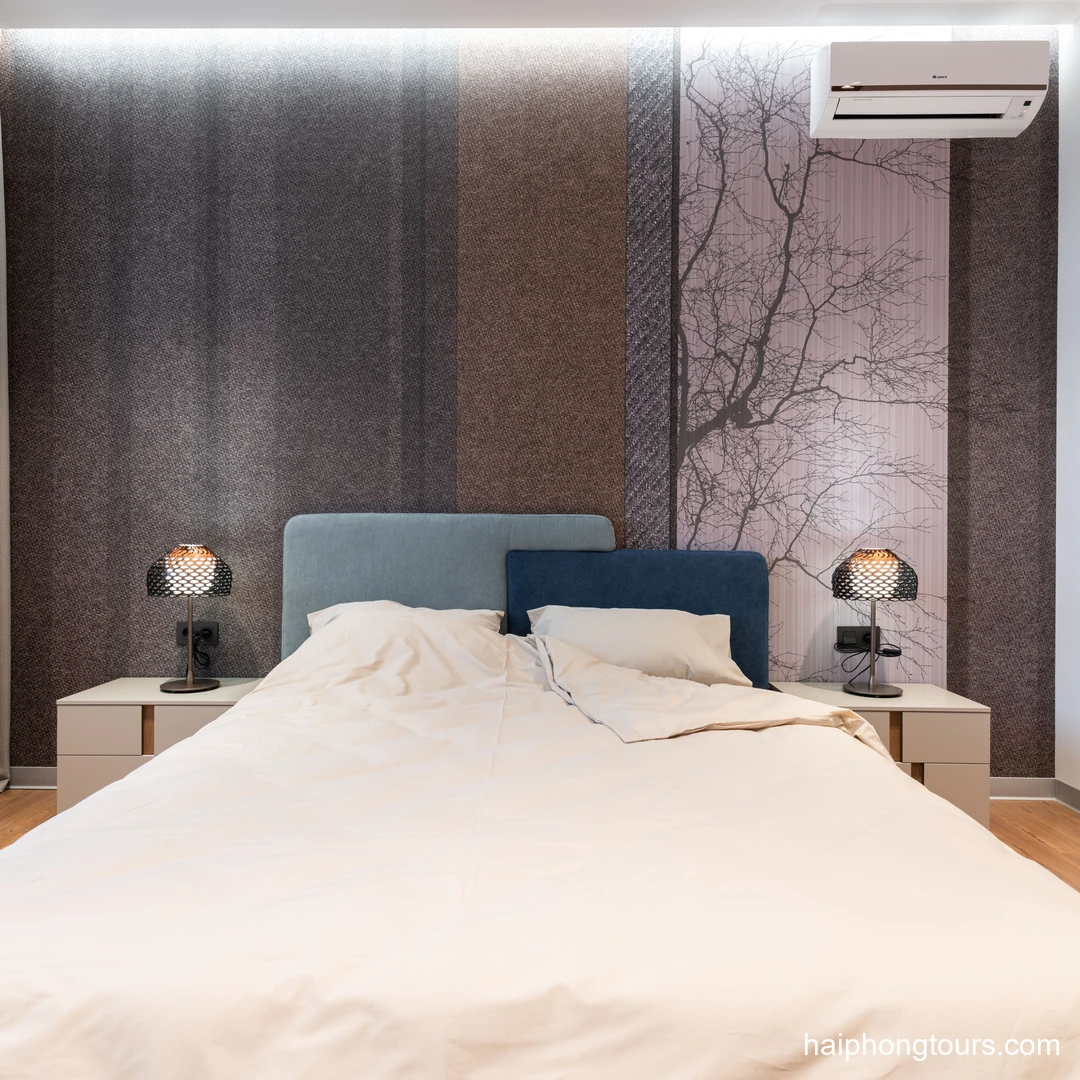
A shared homestay bathroom makes a small wash bag and easy-to-carry sleep kit useful. An en-suite room may reduce that need but does not guarantee the toiletries you prefer. Check towels, bedding and the room arrangement before bringing bulky duplicates.
Take personal menstrual products, contact-lens supplies and other items where the exact type matters. Keep tissue, hand-cleaning supplies and a small waste bag available during the day. They are easier to organise in the city than during a short roadside stop between towns.
If you use a medical device or need to charge several items overnight, confirm the power arrangement with the property. Carry the relevant adapter and inspect its condition. Do not assume a dormitory bed has several sockets or that a remote homestay can support a high-power appliance.
Separate equipment for optional activities
If a permitted river outing is in your plan, protect electronics from splashes and leave anything unnecessary in the agreed secure place. A camera bag should still allow you to board and hold a handrail. Keep footwear appropriate to the actual access rather than to the boat photograph.
Swimming clothes are optional, not a commitment to enter a waterfall pool. Conditions, local instructions and your own ability decide the activity when you arrive. A small towel can be useful, but you do not need to pack an entire beach bag for a stop that may be removed.
Decide what stays in Ha Giang
Leave clothing and bulky items for the rest of your Vietnam trip in storage only after confirming the provider, collection process and access after your return. Keep valuables and essential documents with you. If you continue one-way to Cao Bang or another region, solve the suitcase transport before packing a small Loop bag.
The motorcycle luggage and storage guide owns the detailed size and handover questions. Use it to agree the load with the actual provider rather than adopting a universal litre or kilogram limit from a packing list.
Do a final seated check
Try the packed arrangement in the real vehicle before leaving. Sit down, fasten the belt or helmet, reach your essentials and confirm that the luggage is secured by the responsible driver or rider. Identify where wet gear will go and what you will carry into the room first.
The bag that works on the Loop and the suitcase that must reach the next hotel can require two different arrangements.
Useful guides for your trip
Would you like help fitting this experience into your trip? Contact us with your travel dates, starting point, available time and group size. Tell us about walking limits or special interests so we can suggest a practical itinerary.