
A sensory-sensitive Hai Phong visit works best with a central room that does not face an event street, one demanding activity at a time and a protected recovery break before the evening food period. Previewing places before you go can reduce uncertainty without removing the option to change plans.
No venue is guaranteed quiet. Traffic, weddings, school groups and temporary programming can change the sound and crowd level, so use the plan below as a load-management framework rather than a promise about any particular day.
Ask better hotel questions
“Quiet room” means different things to different properties. Ask for observable details:
- Does the room face a main road, bar, pedestrian area, elevator or event space?
- Can the hotel place you away from the lobby and housekeeping store?
- Do blackout curtains close fully, and can bright standby lights be covered?
- Is breakfast served in a busy room, and is a quieter time available?
- Can you see the exact room location before accepting it?
A hotel near the center can shorten vehicle time and make retreat easier. The tradeoff is that a room facing the City Theater or a programmed night area may carry amplified sound on event evenings.
Use arrival time for decompression
Do not place a major attraction immediately after a flight, train or long road transfer. Check in, drink water, eat something familiar and give yourself a low-decision period. Keep the first walk close to the hotel so returning does not require another noisy transport negotiation.
Hai Phong Go includes digitized destination material and VR-style previews. Use it to examine entrances, scale and surroundings before choosing a stop. A preview cannot confirm today’s crowd, but it can reduce uncertainty about the setting.
Build one demanding block at a time
A practical day might use one heritage stop in the morning, a hotel recovery window after lunch and a short food outing later. Hang Kenh Communal House can be considered as a focused heritage visit, but check opening status, ceremonies and group activity on the day rather than labeling it quiet.
The City Theater area can host pedestrian, cultural or night programming. It is not permanently high-stimulation, and published schedules can change. Check the city event calendar and ask the hotel what is happening within walking distance that evening.
Choose transport by total sensory load
Walking avoids close vehicle interiors but exposes you to horns, road crossings, heat and visual movement. A private car reduces street exposure but adds waiting, air-conditioning and possible music or fragrance. A taxi or app car can be useful for a short retreat if you have a precise pickup point.

- Ask the driver to turn off music before departure.
- Use a map pin rather than negotiating a vague destination beside traffic.
- Carry hearing protection, sunglasses and a familiar snack where useful.
- Keep a backup indoor stop or return directly to the hotel.
Use a low-stimulation fallback
If a venue is busier than expected, do not force the visit because it was on the schedule. Step outside, move to a simpler meal or return to the room. The useful goal is a manageable city day, not completing a checklist.
Make a companion communication card
A short note can prevent repeated explanations. Include: “I need ten quiet minutes,” “Please turn off music,” “I will meet you at this map pin,” and “If we separate, return to the hotel.” Add the hotel name and a local contact.
Choose the room before the neighborhood label
Ask whether the room faces a major road, karaoke venue, function room, lift bell or connecting door. Confirm blackout curtains, breakfast crowd timing and whether a quieter room location can be requested. “Central” and “quiet” are not guarantees.
Use a predictable Hai Phong route
Start with a direct arrival from Cat Bi Airport or Hai Phong Railway Station to the hotel, then allow water, food and decompression before sightseeing. Tam Bac, Opera House square or Hai Phong Museum can be considered only after event, opening and crowd checks.
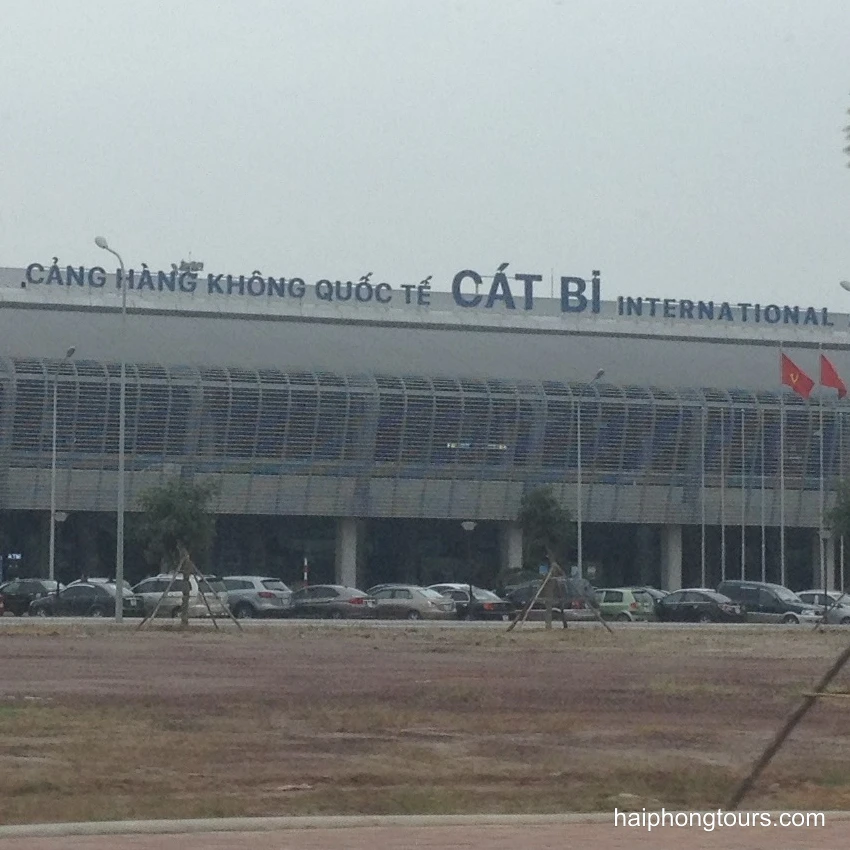
Cat Bi and Luong Van Can food areas may be busy and noisy. Treat them as optional, not as required local experiences.
Set an escape criterion
Leave when sound, crowding, light or uncertainty is no longer manageable, not after distress peaks. Use a short previewed walking route or a vehicle with a confirmed pickup pin. Headphones or earplugs can help some travelers, but they do not guarantee comfort or replace personal medical advice.
Inspect the room, not just the hotel map pin
A central address can still produce a difficult room. Ask whether the allocated room faces a major road, event square, karaoke room, lift bell, breakfast room or function space. Also ask about connecting doors, blackout curtains and construction. Requesting a quiet room is useful, but it is not a guarantee; ask where the proposed room is within the building.
On arrival, spend a few minutes checking the room before fully unpacking. If the sound or light level is unsuitable, it is easier to request another available room while reception can still act. Keep a written address for one alternative hotel rather than starting an open-ended search when already overloaded.
Use one predictable city loop
A lower-friction day can start with a direct vehicle to Hai Phong Museum after confirming current opening, continue through a short Opera House or Tam Bac block, and return to the hotel before the evening food rush. Do not add Cat Bi and Luong Van Can food areas merely because they are popular; they are optional high-stimulation zones.
Preview the walking portion on a map and choose one exit point where a car can actually stop. Walking reduces vehicle negotiation but increases exposure to horns, crossings, weather and uncertain pavements. An app car can simplify payment, while a prearranged private vehicle gives more control over waiting and stops. Neither removes pickup noise, so keep the meeting pin specific.

Protect the recovery block
Treat the hotel break as part of the itinerary, not unused time. Bring water and a familiar snack, silence notifications and decide in advance what condition would cancel the evening. Festivals, weddings, school groups and traffic can change the city by the hour; the correct plan allows an early return without losing the whole day.
Before setting out, verify venue opening, current pedestrian or event programming and the route back to your recovery space. Hai Phong Tours recommends protecting that return option before adding another activity.
Useful guides for your trip
Would you like help fitting this experience into your trip? Contact us with your travel dates, starting point, available time and group size. Tell us about walking limits or special interests so we can suggest a practical itinerary.