
If your usual Hanoi bus stop is closed, missing, or temporarily relocated, stay on the sidewalk and find the replacement through current operator information. Do not wait where the old pole stood if barriers, road works, or a notice indicate that boarding has moved, and do not flag the bus from a traffic lane.

Start with the full route number, travel direction, old stop name, and intended destination. Check Transerco’s current notice and official Tìm Buýt route information, then confirm the replacement with a uniformed transport worker or the official support channel if the map and physical street do not agree.
Decide whether the stop is actually unavailable
A shelter can be removed while the stopping point remains active, and a pole can remain while boarding is temporarily suspended. Look for an official notice, barriers, construction fencing, a covered route panel, an arrow to another location, or the route’s absence from current stop information. Avoid treating a single unofficial sign or another passenger’s guess as the replacement instruction.
Also check that you are on the correct side of the road. The stop for the opposite direction may have a similar name and may still be open. Compare the terminus or destination in the current route view, not just the route number.
Build a precise stop search
Record four identifiers
- Route: include any branch letter or suffix.
- Direction: use the displayed terminus or destination.
- Old stop: save the Vietnamese name and street-side landmark.
- Destination: keep the exact place name or address available.
These details prevent a support adviser or staff member from sending you to a stop serving the other direction. They also help distinguish a temporary relocation from a route diversion that skips the whole street.
Read the effective instruction
Use a dated Transerco notice when one applies. Determine whether it gives a replacement stop, suspends service at the location, or changes the route itself. If the information only says that a stop is adjusted without identifying a boarding point, do not fill the gap with an assumed location.
The official route service can provide route, stop, timetable, frequency, and arrival information. Use the stop list to identify nearby valid stops on the current route, but remember that a scheduled stop is not automatically the designated temporary replacement. A nearby stop may still be useful as a fallback if you can reach it safely.
Search the immediate area without taking road risks
Stay in normal pedestrian space. Look along the same sidewalk for an official temporary pole, route panel, or direction arrow. Do not step around work barriers, stand at the curb where vehicles cannot stop safely, or cross a divided road simply because buses are visible there.
If you must walk to another verified stop, check the route before moving. Note the street side, junctions, pedestrian crossings, and a visible landmark. With luggage, children, or reduced mobility, allow more time and reject a path that depends on stairs, broken pavement, or an unsafe crossing.
At the proposed replacement, confirm the route number and direction again. A cluster of waiting people is not proof that your bus boards there. Check the arriving vehicle display and ask a clear question if necessary.
Ask for help in a form that produces an answer
Show a uniformed worker or official adviser the route number, direction, old stop name, and destination. A useful question is: “Where is the current valid boarding stop for route [number] toward [terminus]?” Avoid asking only where “the bus stop” is, because several routes and directions may use the area.
If there is no staff member, use Transerco’s current customer-service channel. Describe what you can observe: the old pole is covered, barriers block the shelter, or the route is absent from the stop panel. Send no banking credentials, passport copy, device code, or other unnecessary personal data.
Hai Phong Tours suggests keeping the replacement-stop instruction on your phone until boarding, especially when the bus connects to a fixed tour, train, or appointment. The practical purpose is to preserve the exact route and direction, not to turn a temporary change into a permanent recommendation.
Set a waiting limit
Arrival and frequency information can help you estimate whether you are in the right place, but neither guarantees a bus at an exact minute. Traffic and temporary operating conditions may alter the actual wait. Decide how long you can remain without losing the rest of your plan.
If the verified stop is correct but no bus appears, refresh the current route information and look for a new notice. If the stop remains uncertain, move to a safer confirmed stop or use another mode before your time margin disappears.
Choose among three recovery options
Use the designated replacement
This is the best choice when the current notice or official staff clearly identifies it, the walking path is safe, and your schedule has enough margin. Reconfirm the direction at the vehicle.
Use another confirmed stop on the route
This can work when no designated replacement is clear but the current route view shows another served stop. Check the path and direction independently. Do not assume the bus will stop between official points.
Change route or mode
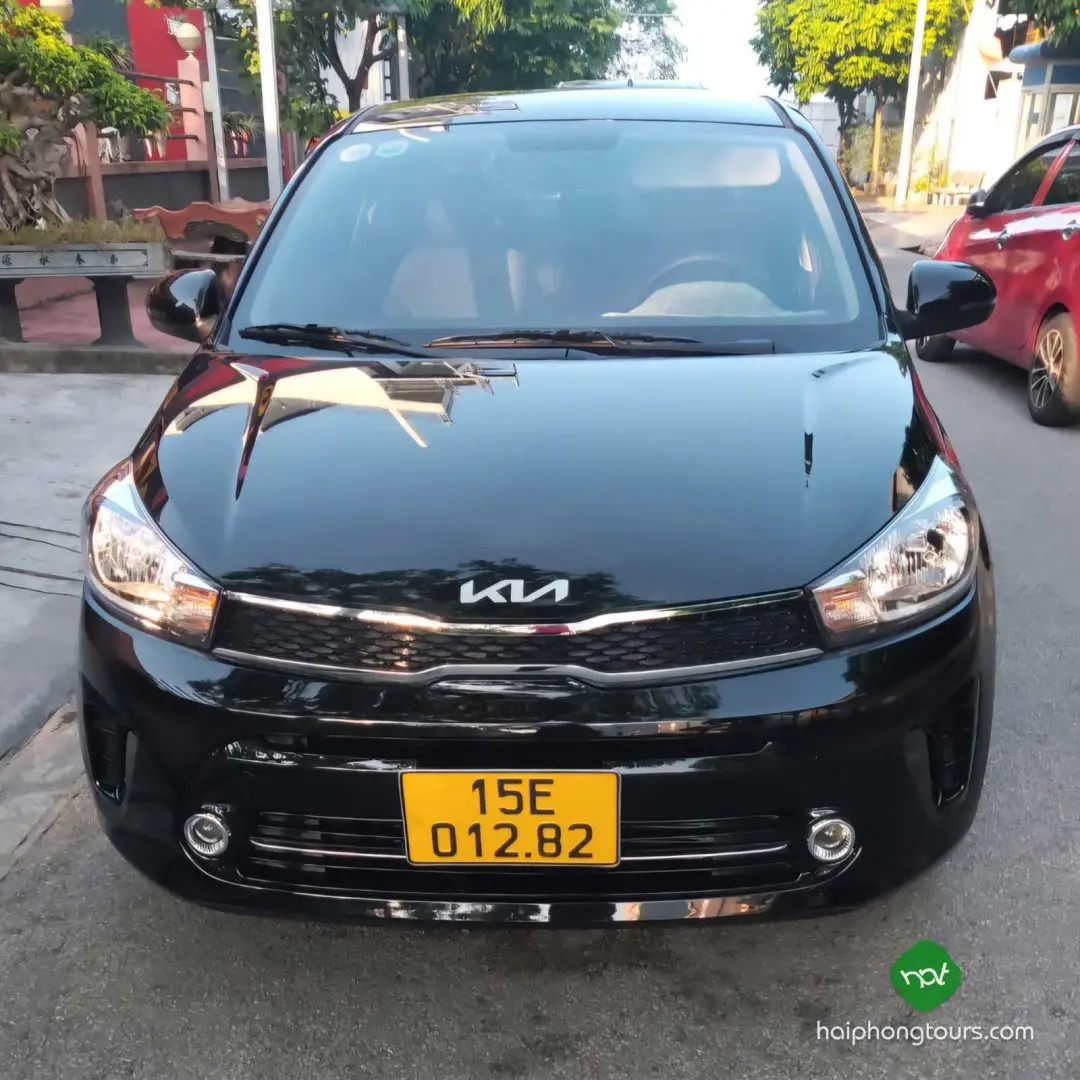
Use a separately verified bus route, licensed taxi, or app-booked vehicle when the replacement cannot be confirmed, the walk is unsuitable, darkness or weather raises risk, or a fixed connection leaves little time. Choose a normal pickup point away from active traffic and construction.
Avoid the most common mistakes
- Do not wait in the road at the old location.
- Do not wave down a bus outside a valid stop.
- Do not follow a crowd without checking its route and direction.
- Do not assume the opposite-side stop is the replacement.
- Do not use yesterday’s screenshot as proof of today’s temporary arrangement.
Final boarding check
Board only after matching the route number, direction, and current valid stop. Keep enough time for a fallback and use the official channel when street information conflicts. A safe recovery is not about finding the nearest bus; it is about finding the correct authorized boarding point without stepping into traffic or inventing a stop.
Useful guides for your trip
- How to pay for Hanoi buses: Cash, QR tickets and passes
- Hanoi Bus Stations: My Dinh, Giap Bat, Nuoc Ngam and More
Would a private transfer make this journey easier? Contact us with your travel date, exact pickup and drop-off, number of travelers and bags. Include any flight, train or cruise deadline so we can assess a suitable plan and quotation.
