
If a bank card is rejected or appears locked during Hanoi Metro gate use, stop tapping and move to the staffed assistance point. Ask station staff to identify whether the problem is a metro journey state or a bank-card activation, verification, or collection issue. Then use the bank’s verified channel for any account restriction the station cannot resolve.

Do not expose card details to another passenger, accept an unofficial offer to “unlock” the card, or assume every gate rejection has the same cause. Hanoi Metro publishes separate guidance for locked Visa Debit situations, and the correct recovery depends on what the station and bank records show.
Separate three different problems
A normal gate-reading failure
The card may not have been presented correctly, or the gate may not have read it. A single failure does not prove that the bank account is locked. Stop after the failed attempt and let staff inspect the displayed error before trying another gate.
An incomplete metro journey
The system may show an unresolved entry, exit, or previous transaction. Station staff can check the transport side and explain the current correction. Preserve the same card and state whether the failure occurred at entry or exit.
A bank activation, verification, or collection state
This belongs partly or wholly to the issuing bank. Station staff may identify the transport error but cannot promise to unlock a bank account. Contact the bank through its official app, website, or published number and follow its identity checks privately.
Preserve the transaction evidence
Record the station, date, approximate time, gate area, and visible error. Note whether this was the first tap for the journey or an exit tap. Check your banking app only after moving out of the passenger flow.
Do not repeatedly tap while watching for a banking notification. Multiple attempts can make the sequence harder to understand and may create pending authorizations. Do not switch immediately among several bank cards without staff instruction.
Ask station staff the right question
Say: “This bank card was rejected at entry/exit. Did the metro system start or close a journey?” Show the visible error and the physical card without revealing the full number unnecessarily. If you used another ticket medium earlier, tell staff.
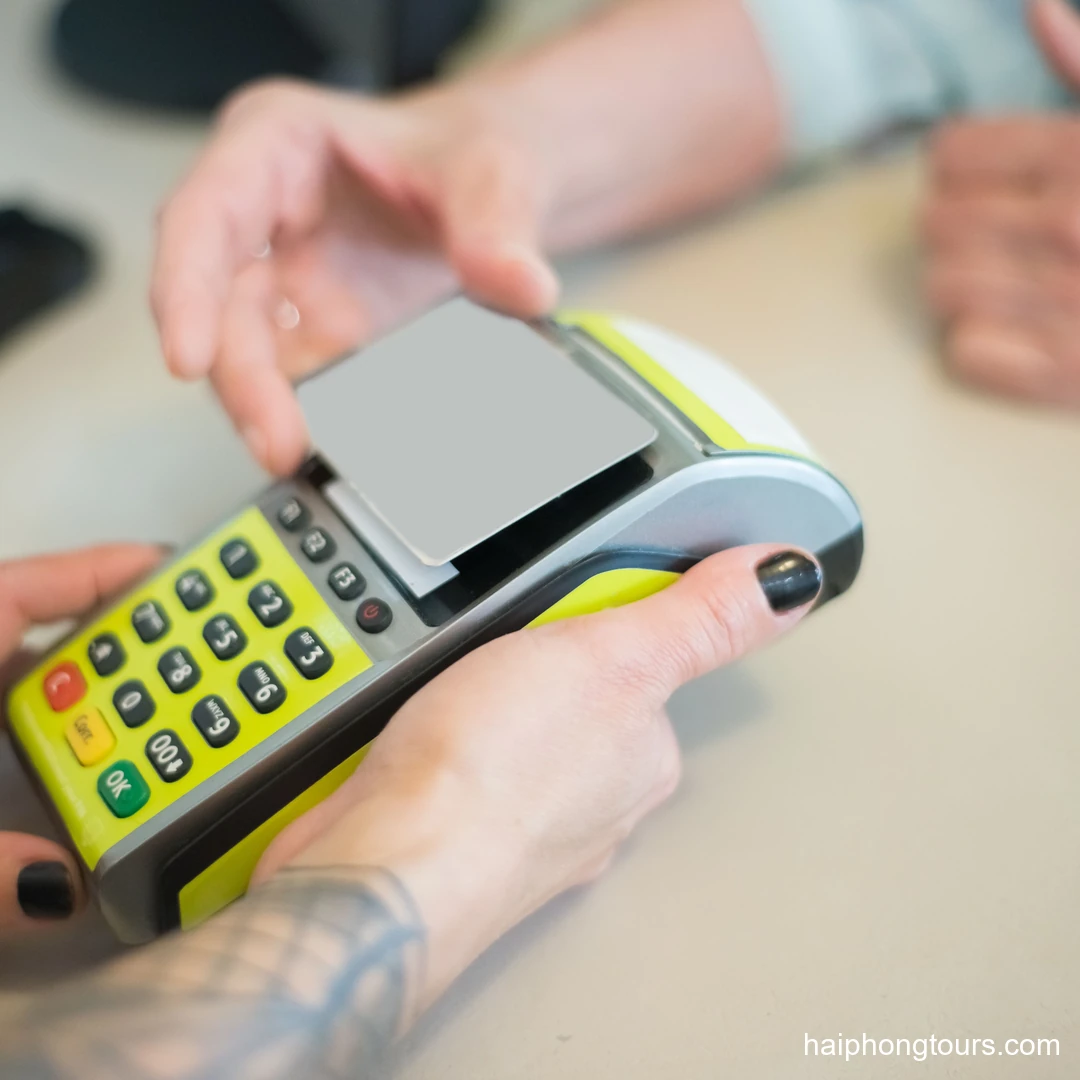
Ask whether you need a station correction, a different ticket for the current ride, or direct bank contact. Keep any receipt or case reference. Do not buy a duplicate ticket until you know whether the original tap created a journey.

Use the bank’s official recovery channel
If the station identifies a banking restriction, open the bank’s official app or type the verified website yourself. Avoid links sent by strangers, search advertisements that imitate support, or QR codes displayed outside an official context. Call the number published by the bank when the app does not give a clear status.
The bank may require its own activation or identity process. Complete that privately and do not tell a stranger your PIN, password, security answer, one-time code, or full card details. Station staff can help with the metro side; the bank controls the account side.
Choose a usable ticket for the immediate journey
After staff confirms the failed card did not create an unresolved journey, ask for a current alternative ticket. A station-issued paper single ticket may be the practical choice. Confirm the destination, keep the ticket until exit, and do not test the locked bank card again during the same journey.
If the original bank-card tap did start a journey, follow the station’s correction instruction before changing medium. Entering with one method and trying to exit with another can leave the first record incomplete.
Hai Phong Tours recommends solving the gate state before calculating any effect on a later tour or transfer. A separate provider cannot unlock a bank card or alter Hanoi Metro’s transaction record; it can only respond to a realistic revised meeting time.
Understand pending and completed charges
A banking notification may show a pending amount, but it does not by itself prove that the metro journey is complete or that a final charge has posted. Preserve screenshots and receipts, then wait for the bank’s normal transaction status or use official support if the charge remains unclear.
Do not ask station staff to interpret unrelated purchases or bank-account restrictions. Focus the station conversation on the entry or exit attempt, while the bank conversation focuses on card status and transactions.
Protect a fixed connection
Tell station staff when time matters, but never tailgate or force the barrier. Recalculate the trip after obtaining a valid ticket. Include counter time, platform access, waiting, riding, and the final walk.
If the metro no longer protects the connection, complete the required station correction and use another suitable mode from a safe pickup place. Do not leave an unresolved bank-card journey merely to save a few minutes.
What not to do
- Do not tap the same card repeatedly at several gates.
- Do not hand the card or unlocked phone to an unknown helper.
- Do not reveal a PIN, password, one-time code, or security answer.
- Do not assume station staff can unlock a bank account.
- Do not assume a bank approval notification means the gate journey is complete.
- Do not buy multiple tickets before the original journey state is checked.
If the problem happens at exit
Remain inside the paid passenger area near staff. State the entry station and the card used. Let staff determine whether an entry record exists, whether the journey needs adjustment, or whether a bank restriction prevents completion.
Use the authorized exit procedure given by staff. Keep any documentation needed for a later bank query. Never climb the barrier or follow another passenger through.
Complete the recovery in the right order
- Stop repeated taps.
- Record the station, entry or exit state, and visible error.
- Ask uniformed staff to check the metro journey.
- Contact the issuing bank through a verified channel if required.
- Correct the journey or obtain the ticket staff identifies.
- Keep receipts and monitor the transaction privately.
The important distinction is ownership: Hanoi Metro can diagnose the gate and transport record, while the issuing bank controls card activation and account restrictions. Keeping those tasks separate prevents repeated taps, duplicate purchases, unsafe data sharing, and false expectations about who can unlock the card.
Useful guides for your trip
Would you like help fitting this experience into your trip? Contact us with your travel dates, starting point, available time and group size. Tell us about walking limits or special interests so we can suggest a practical itinerary.